

Respondent data breach
Large databases of respondent contact details and survey responses make these firms attractive breach targets, with notification and liability costs if exposed.
Try a different word, or check the spelling.
Your respondent incentive fund, confidential answers, and published findings have different owners and purposes. Research, data, and crime protection should distinguish those responsibilities, without treating an unexpected result, duplicate participant or fraudulent panel response as an automatic insured loss.
The Southern Agency can help you coordinate coverage for research methodologies, respondent data, and facility operations.
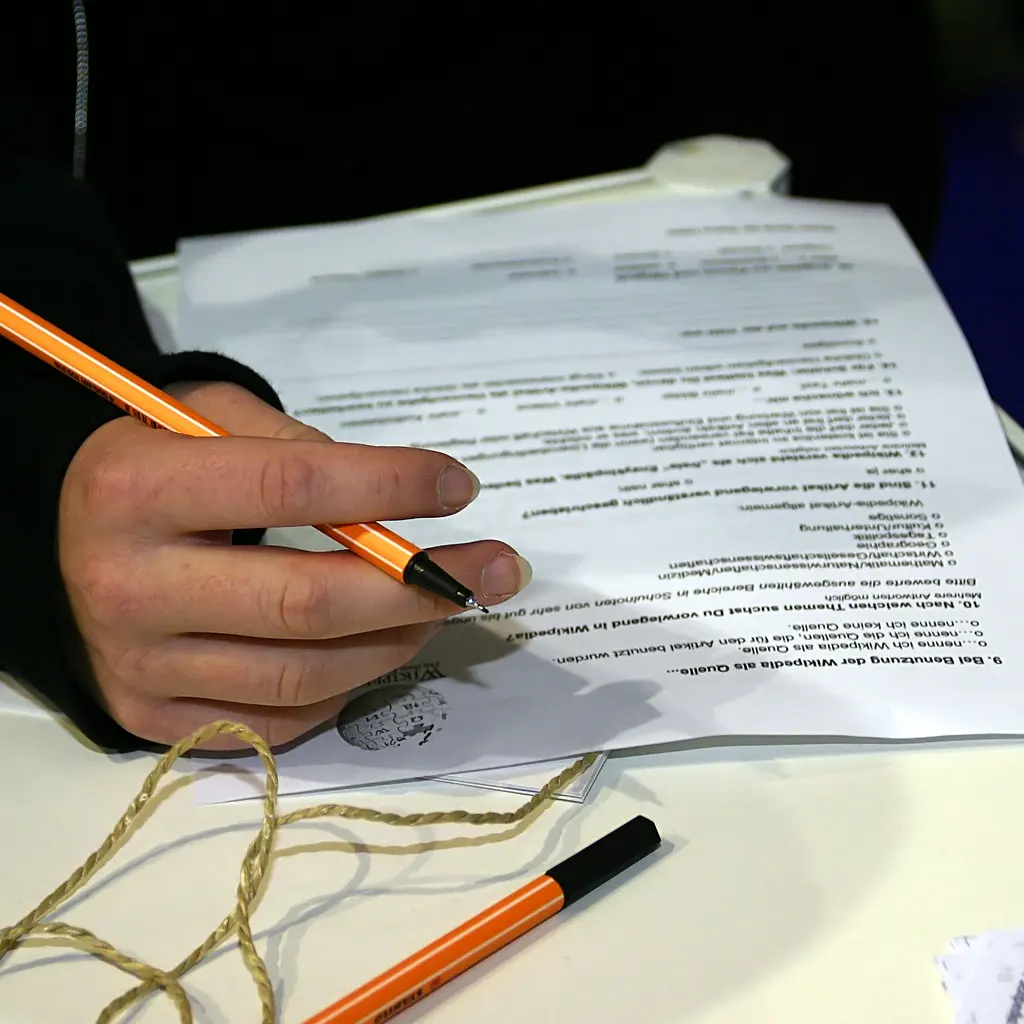
Your firm gathers and interprets data through surveys, focus groups, and panel management to help organizations make decisions. Because you hold large volumes of respondent information and operate physical facilities, errors in methodology or data breaches can lead to significant disputes.
The Southern Agency can review your data-collection methods and facility operations to help select appropriate insurance. For example, we can discuss how to coordinate professional liability for research analysis with premises coverage for your focus-group suites.
Large databases of respondent contact details and survey responses make these firms attractive breach targets, with notification and liability costs if exposed.
A client may claim that sampling errors, biased questions, or misread statistics produced misleading findings and a costly decision.
Hosting participants on-site for focus groups or interviews creates slip-and-fall and other premises injury exposure.
Staff conducting intercept or door-to-door interviews travel to varied locations, raising injury and personal-safety concerns.
Premature release of unpublished poll results or proprietary study data can trigger client claims and reputational harm.
Distributing respondent incentives and managing study budgets creates exposure to theft or employee dishonesty.
Policies to ask about. Which ones fit depends on your operations, your contracts, and the carrier’s forms.
Ready to compare options?
Get a quote for Marketing Research and Public Opinion Polling Or call 1-800-777-1TSAThese hypothetical examples are not agency claim results. Whether a loss is covered depends on the facts, policy terms, and applicable exclusions.
An intrusion exposes respondent contact and response data, requiring notification and forensic work. A cyber policy may respond to those costs and resulting liability, depending on the policy, endorsements, and exclusions. Review actual fields accessed, response-provider/consent terms, and client/panel duties; database size alone does not establish notification cost.
A client claims a flawed sample produced misleading results that drove a poor decision. Professional liability coverage may respond to defense and settlement costs, subject to policy terms and the facts. Compare methodology records with insured services and guarantee/fee exclusions; uncertainty is not proof of negligence.
A participant is hurt in the firm's focus-group facility and files a claim. General liability coverage may help with medical and liability costs, depending on policy terms and the circumstances. Confirm covered premises/field activity and participant status; injury liability is separate from study-result disputes.
Start with the work you do and the questions your current policies leave unanswered. Carrier options depend on your location, risk, and underwriting. Explore our approach.
Compare both respondent-data obligations and client reliance on the study. The most important limit depends on dataset sensitivity, methodology, use, and facility/fieldwork, not a universal ranking.
Clients act on your findings and can allege sampling or analysis errors. Professional liability may respond to those claims, depending on the specific policy and the facts.
General liability commonly responds to participant or visitor injuries on your premises, while property coverage protects the equipment inside. Coverage depends on policy terms and underwriting.
Workers' compensation commonly applies to work-related injuries, including those traveling for in-person interviewing. Specific coverage depends on your policy and state requirements.
Firms managing respondent incentives and study funds face theft and dishonesty exposure. Crime coverage may respond to covered losses, subject to policy terms and exclusions.
Bring the exact research contract and insurance schedule. Certificates do not amend cover, and professional/cyber limit or endorsement availability needs insurer review.
Bring your questions, current policies, and relevant contracts. An agent can review coverage terms, exclusions, and the information carriers ask for, then explain the options available to you.