Skip to content

Social Sciences And Humanities R&D Insurance

Coded survey responses may still link back to participants. Your data arrangements and consent duties deserve their own review, separate from a sponsor's disagreement with the study findings.

The Southern Agency can help you align professional liability, cyber, and governance coverage with your research operations.

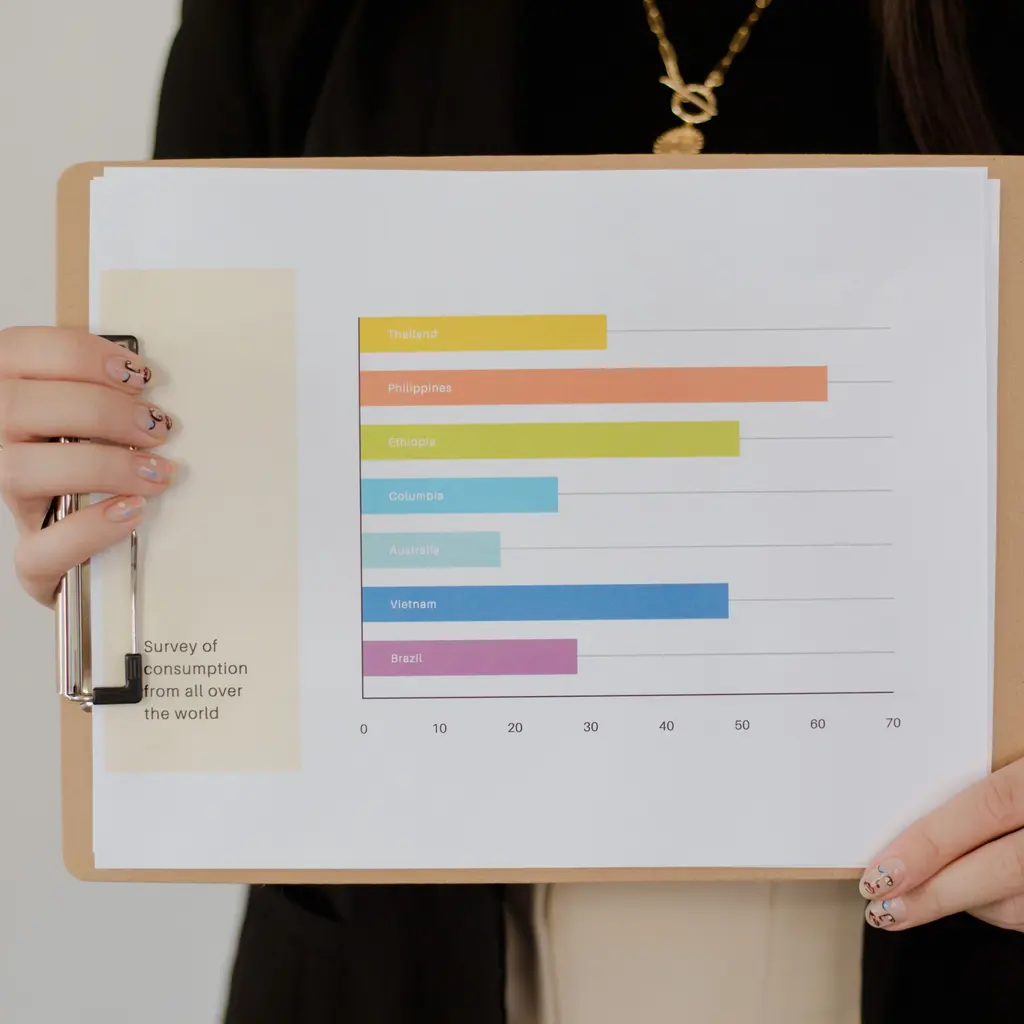
A printed survey-results bar chart held on a clipboard.

Industry overview

You conduct studies and evaluations that sponsors may use for policy or funding decisions. A disputed method can prompt a client claim, while participant information and restricted grants create separate privacy and oversight duties.

The Southern Agency can review your organizational structure and data handling to help select appropriate insurance. We can discuss how directors-and-officers coverage works alongside your research-specific liability insurance.

Risks worth discussing

Participant data privacy breaches

Studies may hold sensitive responses or identifiers that can link findings to participants. Exposure can create privacy claims and response or notification duties, depending on the actual data, access and applicable rules.

Disputed methodology or findings

Sponsors or stakeholders may allege flawed study design or that conclusions caused reputational or financial harm.

Grant compliance and fund stewardship

Mismanagement of restricted grant funds or noncompliance with sponsor terms can trigger claims against the organization and its directors.

Human-subjects and consent issues

Failures in informed consent or ethical oversight of participants can lead to allegations and regulatory scrutiny.

Employment-related claims

Researchers, fellows, and administrative staff create wrongful-termination, discrimination, and harassment exposure for the organization.

Governance and board exposure

Directors and officers of grant-funded or nonprofit research entities face claims over decisions, oversight, and use of funds.

Situations to think through

These hypothetical examples are not agency claim results. Whether a loss is covered depends on the facts, policy terms, and applicable exclusions.

  1. Hypothetical: Hypothetical: leaked participant survey data

    A breach exposes identifiable survey responses and triggers notification obligations. A cyber policy may help with breach response and privacy liability, subject to the specific policy, endorsements, and exclusions. Check covered data, legal notification duties, and consent/providers; coded responses and direct identifiers can create different response needs.

  2. Hypothetical: Hypothetical: disputed evaluation findings

    A sponsor alleges a program evaluation was methodologically flawed and seeks recovery. A professional liability policy may respond to defense and damages, depending on policy terms and the facts. Review insured research, declared reliance, and fee/guarantee terms; sponsor dissatisfaction alone does not establish negligence.

  3. Hypothetical: Hypothetical: grant-stewardship allegation

    A funder alleges restricted grant funds were misapplied and names the board. A directors-and-officers policy may respond to defense costs, depending on policy terms and the circumstances. Distinguish defense of covered governance allegations from returning misapplied grants or excluded dishonest conduct.

Before you talk to an agent

What to have ready

Tick items as you gather them. Nothing here is saved or sent.

Questions to raise

  • Confirm cyber coverage for identifiable participant data
  • Consider directors and officers for grant-funded boards
  • Review sponsor and grant insurance requirements
  • Assess professional liability for study methodology
  • Evaluate employment practices liability for staff

Contract terms to check

  • Review permitted data use, future reuse, publication, and sponsor reliance; obtain current consent/oversight advice for the actual study.
  • Separate grant repayment, restitution, and promised research outcomes from insured professional or D&O damages; review fiduciary/contract exclusions.

What the agent conversation looks like

Start with the work you do and the questions your current policies leave unanswered. Carrier options depend on your location, risk, and underwriting. Explore our approach.

  1. ListenReview your operations, current coverage, and past claims.
  2. AssessIdentify potential hazards and discuss ways to reduce risk.
  3. BuildDiscuss policy and carrier options, premium costs, and audits.
  4. SupportReview changes and help you plan ahead as your needs develop.

Questions owners ask

Why is cyber coverage so important for our research?

Social-science studies hold sensitive participant data. Cyber coverage may help with breach response and privacy liability if that information is exposed, depending on the specific policy.

We are a nonprofit. Do we need directors and officers coverage?

Nonprofit status does not remove potential claims about board decisions or stewardship of funds. D&O may address covered defense and damages where the entity, leaders and alleged conduct fit. Returning a grant, restitution and excluded dishonest conduct need separate treatment.

Are we covered if a sponsor disputes our findings?

A professional liability policy may respond to claims that study design or findings were flawed and caused harm, depending on policy terms, endorsements, and the facts.

Do grant agreements require specific insurance?

A sponsor may specify policies, limits, insured entities or endorsements in its grant agreement. Compare those requests with actual issued terms and accepted research activities; a certificate does not add a missing grant of coverage or guarantee compliance with funding terms.

What about human-subjects and consent issues?

Review the actual study's consent, exemption and oversight requirements with qualified advisers. Compare participant injury or consent allegations with professional and other policy exclusions. The applicable study and actual forms, not the research label, determine requirements and potential insurance response.

Do we need coverage if we mostly analyze public data?

Public-data analysis still raises methodology, governance, and workforce questions. Evaluate actual reliance and data handling; public availability alone does not determine which policy or limit is appropriate.

Talk through your social sciences and humanities r&d coverage

Bring your questions, current policies, and relevant contracts. An agent can review coverage terms, exclusions, and the information carriers ask for, then explain the options available to you.

How can we help you get started?

Choose the quote that fits, and we’ll take it from there.

Have a question? Contact us