

Inaccurate results or analyses
A faulty measurement, calibration, or analysis that a client relies on can lead to failed decisions and errors-and-omissions claims.
Try a different word, or check the spelling.
A calibration error can affect a client's output long before it is discovered. Insurance for the resulting claim is a different question from paying to repeat your service or repairing the instrument in your care.
The Southern Agency can help you connect professional liability and equipment coverage to the results-driven nature of your service.
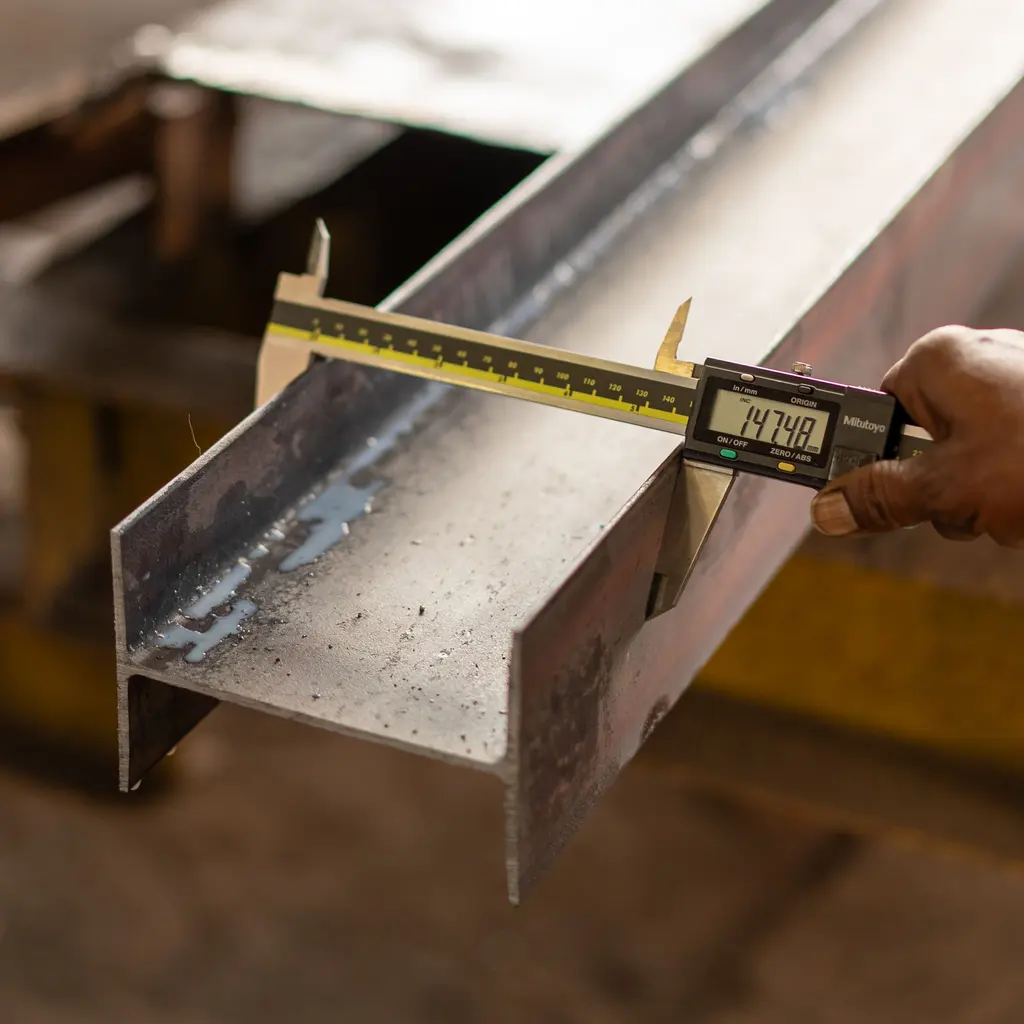
You perform hands-on work like instrument calibration and field analysis where accuracy is critical. A measurement error can lead to a client's project failure, while your valuable equipment faces risks at client sites.
The Southern Agency can review your calibration work, client equipment and field locations to help compare appropriate insurance. We can distinguish alleged result errors from damage to instruments and the cost of repeating your own service.
A faulty measurement, calibration, or analysis that a client relies on can lead to failed decisions and errors-and-omissions claims.
High-value instruments and field equipment are vulnerable to damage, theft, and breakdown, both in the lab and on location.
Technicians performing work at client facilities face bodily-injury and property-damage exposure away from their own premises.
A failure of critical analytical or measurement equipment can halt service delivery and delay client deadlines.
Results, proprietary methods, and client information stored electronically can be compromised in a cyber incident.
Staff traveling to and working at varied job sites carry real injury exposure, raising workers' compensation concerns.
Policies to ask about. Which ones fit depends on your operations, your contracts, and the carrier’s forms.
These hypothetical examples are not agency claim results. Whether a loss is covered depends on the facts, policy terms, and applicable exclusions.
A client alleges that an incorrect calibration led to defective output and seeks recovery of its losses. A professional liability policy may respond to defense and damages, depending on policy terms and the facts. Check insured methods/services and damages terms; correcting results or refunding fees is not automatically covered.
A portable analyzer is dropped and damaged during a site visit. Inland marine coverage may help repair or replace it, subject to the specific policy and scheduled values. Check scheduled instrument, accidental-damage cause, and field/transport conditions; client-owned units need an insured interest.
A power surge disables a critical analytical instrument and stalls deliveries. Equipment breakdown coverage may help with repair and resulting downtime, depending on policy terms and exclusions. Determine the covered power/equipment event and income terms, including any waiting period; not all missed deadlines are reimbursed.
Start with the work you do and the questions your current policies leave unanswered. Carrier options depend on your location, risk, and underwriting. Explore our approach.
Calibration and measurement work can involve instrument custody and field equipment, and many firms combine execution and advice. Describe all actual services; the business label alone does not establish different insurance.
Inland marine coverage may help for portable instruments at client sites, depending on policy terms and listed values. We can help confirm coverage extends off premises.
A professional liability policy may respond to a claim that an inaccurate result caused client loss, subject to policy terms, endorsements, and the facts of the matter.
A qualifying failure of insured analytical equipment may bring repair benefits and selected income protection. Confirm the actual cause, equipment, waiting and restoration terms; a service stoppage or ordinary calibration drift alone does not establish a covered breakdown.
Requirements vary by state, but workers' compensation is commonly needed and covers work-related injury, including travel to and work at client sites, subject to applicable rules.
Many contracts require professional and general liability limits, and site access often requires proof of coverage. We can help meet those terms, though availability depends on underwriting.
Bring your questions, current policies, and relevant contracts. An agent can review coverage terms, exclusions, and the information carriers ask for, then explain the options available to you.