

Erroneous or misreported test results
An inaccurate analysis, transposed value, or misinterpreted result can lead a client to act wrongly, producing professional liability claims tied to the report.
Try a different word, or check the spelling.
Your out-of-tolerance instrument can call earlier results into question before a new report is issued. Testing-service, sample and equipment protection should distinguish that review from a covered breakdown, with accepted methods, retesting, and irreplaceable samples considered separately.
The Southern Agency can help you align professional liability, equipment coverage, and property insurance for your lab.
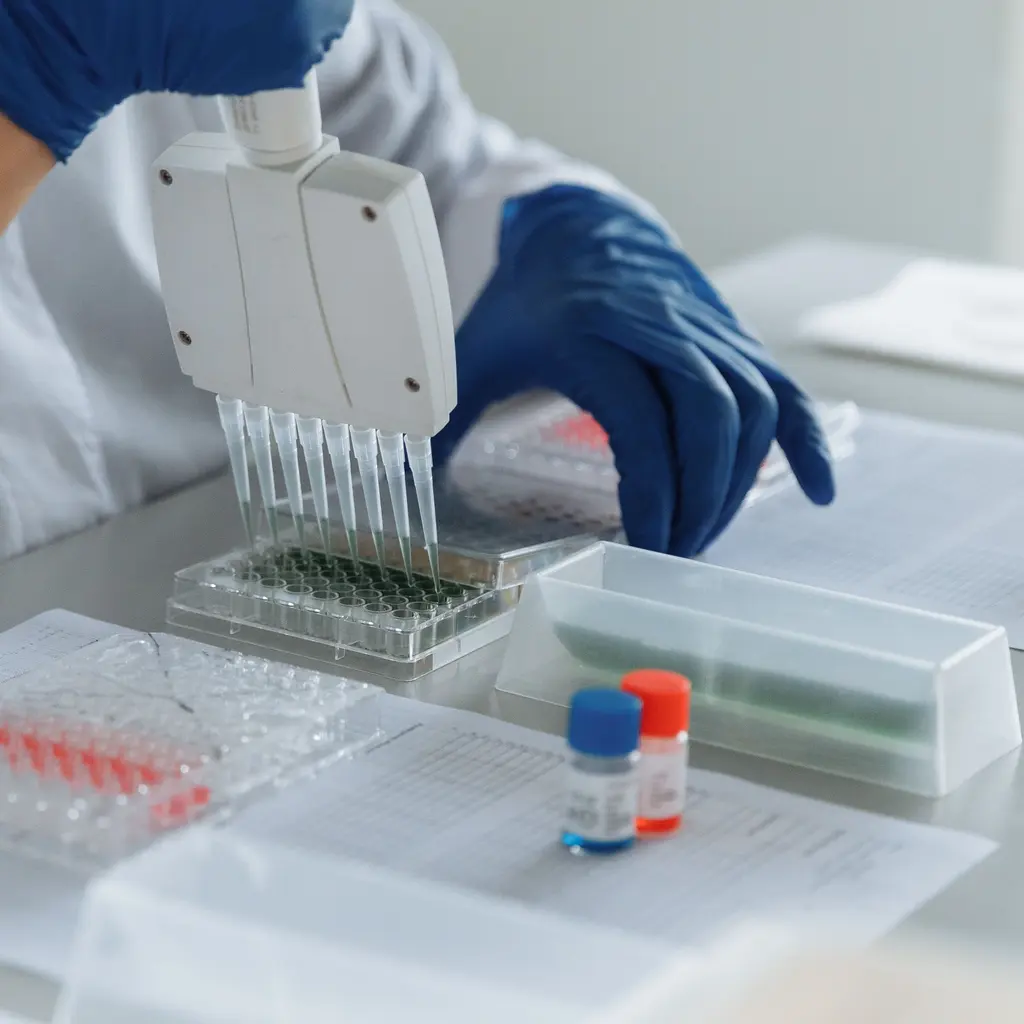
You provide analytical test results that clients rely on for product releases. If an incorrect report leads to a client's defective product release, your lab can face claims for the resulting losses.
The Southern Agency can review your actual tests, intended report users and sample duties with you. We can compare accepted professional services, client-property interests and instrument repair/interruption terms, alongside reagent/waste releases, staff and confidential results.
An inaccurate analysis, transposed value, or misinterpreted result can lead a client to act wrongly, producing professional liability claims tied to the report.
Samples are often unique and irreplaceable; mishandling, mislabeling, or destruction can prevent re-testing and trigger client claims.
Spectrometers, chromatographs, balances, and environmental chambers are costly and calibration-sensitive, and failure can halt throughput and delay deliverables.
Reagents, solvents, acids, and lab waste create the potential for spills, fumes, or improper disposal events affecting people or the environment.
Work with hazardous chemicals, glassware, autoclaves, and sample-prep equipment exposes lab staff to burns, cuts, and inhalation injuries.
Out-of-tolerance equipment or a lapse in ISO/IEC 17025 protocol can call past results into question and prompt client demands.
Labs store proprietary client formulations, study data, and reports that, if exposed, can create cyber liability and confidentiality claims.
Policies to ask about. Which ones fit depends on your operations, your contracts, and the carrier’s forms.
These hypothetical examples are not agency claim results. Whether a loss is covered depends on the facts, policy terms, and applicable exclusions.
A lab issues a conformance report later shown to contain an analytical error, and the client claims downstream losses. A professional liability policy may respond to defense and damages, depending on policy terms and the facts. Check accepted tests and client use; correcting the report, retesting or reimbursing a product recall is not automatically insured.
A client's one-of-a-kind sample is contaminated before testing is complete and cannot be re-collected. A policy may respond to the resulting claim, subject to the specific policy, endorsements, and exclusions. Check client property/custody, contamination, and valuation terms; irreplaceability or failed retest does not establish a payable scientific value.
A solvent container ruptures and requires cleanup and ventilation of an affected area. Environmental coverage may help with response and liability costs, depending on policy terms. Check insured substance/location, cleanup trigger, and reporting; ventilation and third-party pollution damages may have different terms.
Start with the work you do and the questions your current policies leave unanswered. Carrier options depend on your location, risk, and underwriting. Explore our approach.
Because clients act on the lab's results, an erroneous or delayed report can cause real loss. Professional liability may help respond to such claims, subject to policy terms and underwriting.
Identify qualifying internal mechanical/electrical damage and the insured instrument, then compare selected repair and interruption terms. Calibration drift, a backlog, wear or routine recalibration is not itself a covered breakdown. Property causes and lost analysis fees have their own provisions.
Describe actual substances, lab sites and disposal vendors/duties, then compare accepted releases and selected cleanup/other-party pollution terms. Ordinary GL may exclude pollution. Routine disposal, ventilation, compliance costs and every chemical incident are not automatically insured together.
Loss or contamination of unique samples can trigger claims. Coverage for sample handling varies, so policies should be reviewed to understand how a policy may respond, subject to terms and exclusions.
Labs store proprietary formulations and electronic reports, so cyber liability may help with breach response and confidentiality claims if systems are compromised, depending on the specific policy.
Describe actual accreditation scope, methods and any out-of-tolerance investigation or affected past results. These facts inform review but do not expand insured services, establish report accuracy or guarantee favorable terms. Retesting, refunds and client recalls still need their own damages/exclusion review.
Bring your questions, current policies, and relevant contracts. An agent can review coverage terms, exclusions, and the information carriers ask for, then explain the options available to you.