

Unfinished work
Fire, weather, or theft can damage the project.
Try a different word, or check the spelling.
Tenant fit-out and early occupancy can arrive before every part of your center is finished. Construction and permanent protection need a deliberate handoff at those milestones, with soft costs, site history, and contractor duties kept distinct from ordinary project delay.
The Southern Agency can review your development phases and tenant opening dates with you before comparing project damage, selected delay and permanent cover.
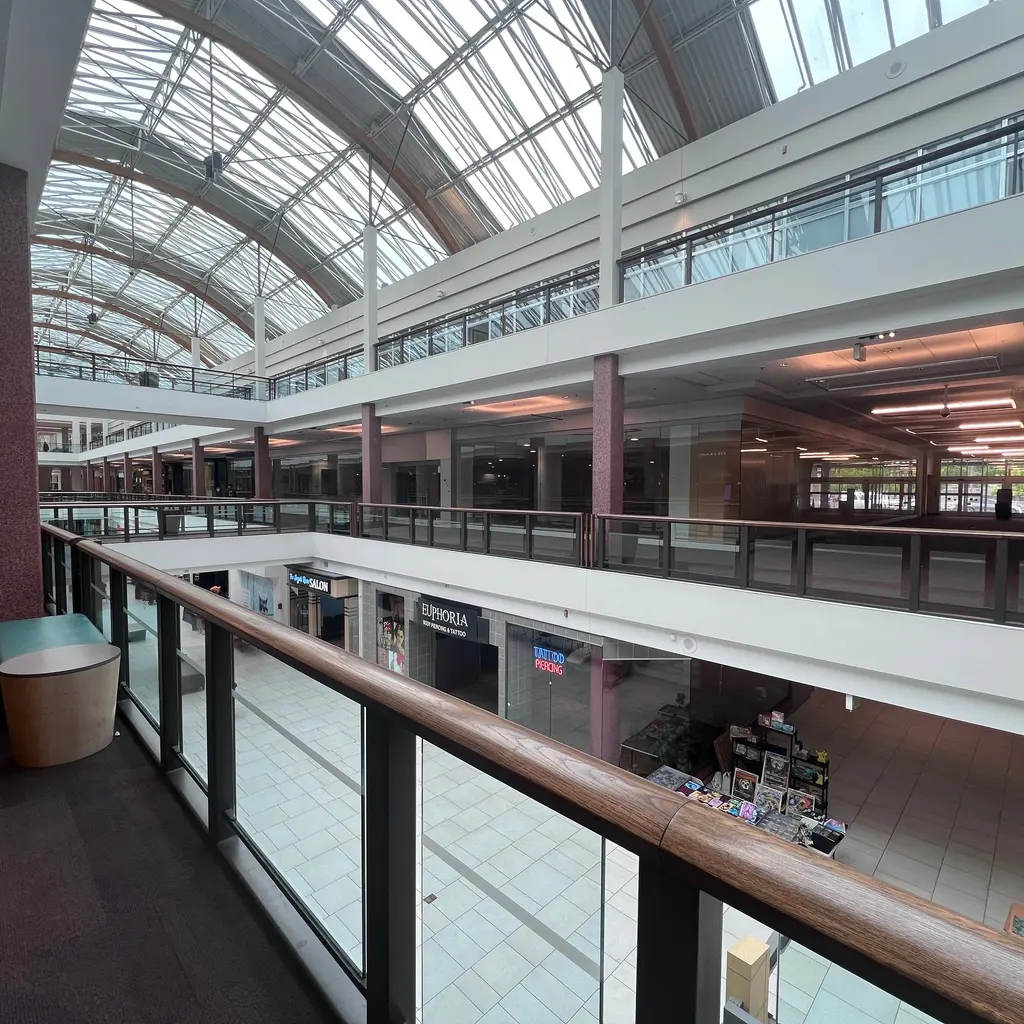
You coordinate land, financing, and construction to build commercial centers, where delays and site incidents can disrupt your project. The overlap between construction, tenant fit-out, and opening requires careful insurance planning.
The Southern Agency can review your development timeline and site risks to help you choose insurance for each phase. For example, we can help you understand when to transition from a builders risk policy to permanent property and liability coverage as your mall approaches completion.
Fire, weather, or theft can damage the project.
Excavation and trades create third-party injury risks.
Physical damage can extend financing or other soft costs.
Excavation can reveal contamination.
Subcontractor terms, assurance duties, and occupancy milestones can create gaps.
Policies to ask about. Which ones fit depends on your operations, your contracts, and the carrier’s forms.
These hypothetical examples are not agency claim results. Whether a loss is covered depends on the facts, policy terms, and applicable exclusions.
Suppose a project fire damages unfinished work and pushes the opening back. Builders risk may address accepted project damage; selected delay/soft-cost terms need their own trigger, waiting period, scheduled interests and limits. Ordinary slippage, every financing charge and lost tenant sales are not automatically paid together.
Suppose excavation uncovers a buried tank and surrounding contamination. Compare actual site history, prior knowledge, releases, cleanup responsibility and accepted environmental terms before assuming recovery. Discovery or a required investigation alone is not a builders-risk or pollution trigger, and known conditions can be restricted.
Suppose debris from ongoing work injures a passerby and the developer is named. Compare actual contractor/site-control duties and accepted construction liability, insured entities and exclusions. A contractor certificate does not add the developer or establish every injury, indemnity or rework expense insured.
Start with the work you do and the questions your current policies leave unanswered. Carrier options depend on your location, risk, and underwriting. Explore our approach.
Compare actual project values/phases under builders risk, developer/site liability, any site-pollution interests and compatible excess. Selected delay and contract/authority assurance have separate terms. Plan permanent and operating protection around fit-out and occupancy rather than only the final completion date.
Compare insured works, materials, entities and accepted physical causes with the project phase and location. Own defective work, resulting damage and selected delay/soft costs may receive different treatment. A budget or construction delay does not itself establish all repairs and financing charges insured.
Review actual prior uses, known conditions, excavation and new releases and who owes cleanup or other-party duties. Compare accepted pollution triggers and exclusions separately from builders risk. Finding a tank, ordering a study or meeting routine compliance duties does not itself establish recovery.
Check the actual lender, contractor, development or authority requirement and the obligation, amount and parties it names. Surety is not interchangeable with project damage insurance. A request does not establish every bond required, available or already issued.
Identify actual scopes, site control, insured developer/owner entities and indemnities, then compare issued liability and excess endorsements and limits. Certificates do not add insured status or waive construction restrictions. The developer's own duties remain a separate review.
Review actual testing, tenant fit-out, early occupancy and builders-risk termination terms before each phase opens. Arrange accepted permanent property and operating liability around those milestones. A single final completion date does not automatically preserve unfinished and occupied interests together.
Bring your questions, current policies, and relevant contracts. An agent can review coverage terms, exclusions, and the information carriers ask for, then explain the options available to you.