

Facility
Fire or water can damage buildings and systems.
Try a different word, or check the spelling.
When a stored-goods sale is challenged, the dispute may concern your handling or authority rather than damage to a unit. Operator liability needs accepted sale and customer-goods terms, separately from tenant-content theft, rent records and repairing climate equipment.
The Southern Agency can compare your rental and sale duties, tenant-property interests and actual facility systems with you.
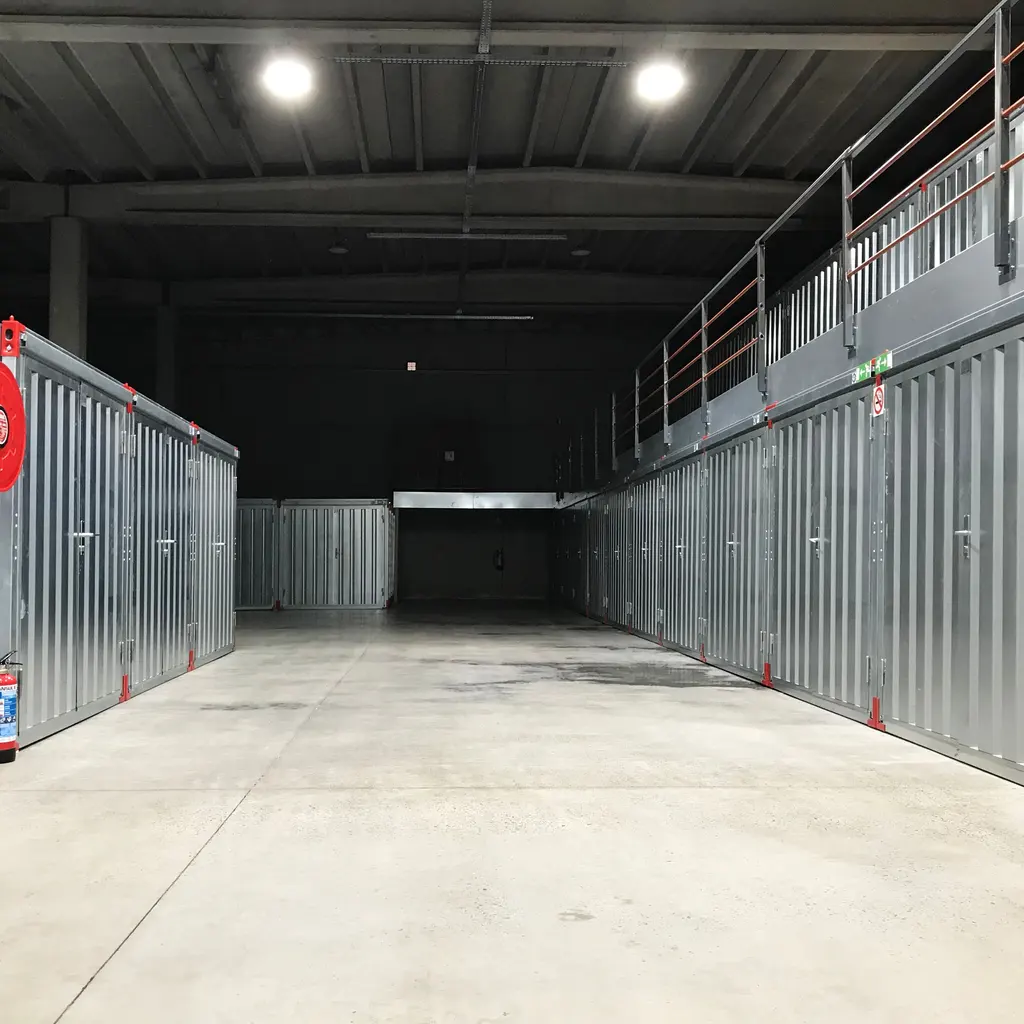
You manage facilities where tenants store goods, which involves oversight of buildings, gates and access. A roof leak damaging tenant goods can result in an operator claim.
The Southern Agency can review your facility operations and management responsibilities to help you select appropriate insurance. We can discuss coverage for facility assets and customer-goods allegations.
Fire or water can damage buildings and systems.
Tenants may be injured during off-hours visits.
Customers can allege operator responsibility for loss.
A challenged sale can produce conversion allegations.
Rent, payment records, and climate equipment create separate interests.
Policies to ask about. Which ones fit depends on your operations, your contracts, and the carrier’s forms.
These hypothetical examples are not agency claim results. Whether a loss is covered depends on the facts, policy terms, and applicable exclusions.
Suppose a roof leak damages goods in a rented unit and the tenant alleges negligent maintenance. Compare actual legal responsibility, accepted customer-goods terms and water restrictions. Building repair and tenant-property liability are different interests; the rental agreement does not establish every item's value or automatic reimbursement.
Suppose a tenant challenges a sale of stored goods after a disputed notice. Seek qualified review of actual lien/sale duties and compare expressly accepted wrongful-sale defense and damages. Ordinary GL is not proof of conversion protection, and insurance does not certify the sale or fund every refund.
Suppose a customer trips in an access aisle during an evening visit and brings an injury claim. Review actual access/control, condition and premises terms. A gate code or off-hours access does not eliminate your duties or establish every injury bill paid.
Start with the work you do and the questions your current policies leave unanswered. Carrier options depend on your location, risk, and underwriting. Explore our approach.
Ordinary building insurance is not blanket cover for tenant goods. Compare your actual legal liability, accepted customer-property causes/limits and any separately offered tenant protection. Rental disclaimers and tenant payments do not establish every stored loss insured.
Identify buildings, gates and climate systems by owner and replacement value, then compare accepted physical causes and water/flood restrictions. Tenant goods, system breakdown and selected lost rent have separate terms from rebuilding the facility.
Yes. A tenant may challenge authority, notice or handling and allege wrongful sale or conversion. Get qualified review of actual procedures and compare express defense/damages terms; ordinary GL or a rental agreement does not certify legality or insure every remedy.
Map tenant, payment and gate/access data you and providers hold. Compare selected privacy/security response and reporting with actual vendor duties. Cyber cover does not itself insure stored-goods theft, every fraudulent payment or an incorrect lien sale.
Describe cash, deposits and electronic rent, actual handlers and bank authority. Compare defined money, employee/vendor roles, theft/discovery and any deception provisions. Crime is not automatically protection for tenants' stored property or every unpaid rent balance.
Identify qualifying internal equipment damage and compare selected repair/interruption terms. Damage to tenant contents, humidity or temperature variation needs expressly accepted customer-property terms. Wear, routine servicing and every tenant spoilage claim are not automatically insured together.
Bring your questions, current policies, and relevant contracts. An agent can review coverage terms, exclusions, and the information carriers ask for, then explain the options available to you.