Skip to content

Art Supply Store Insurance

The formulation on a paint or adhesive label matters more than treating your entire art aisle as flammable. Stock and product protection should fit the materials actually carried, with water-sensitive papers and any classes or demonstrations considered alongside ordinary browsing.

The Southern Agency can help you review your stock, product range, and any in-store classes.

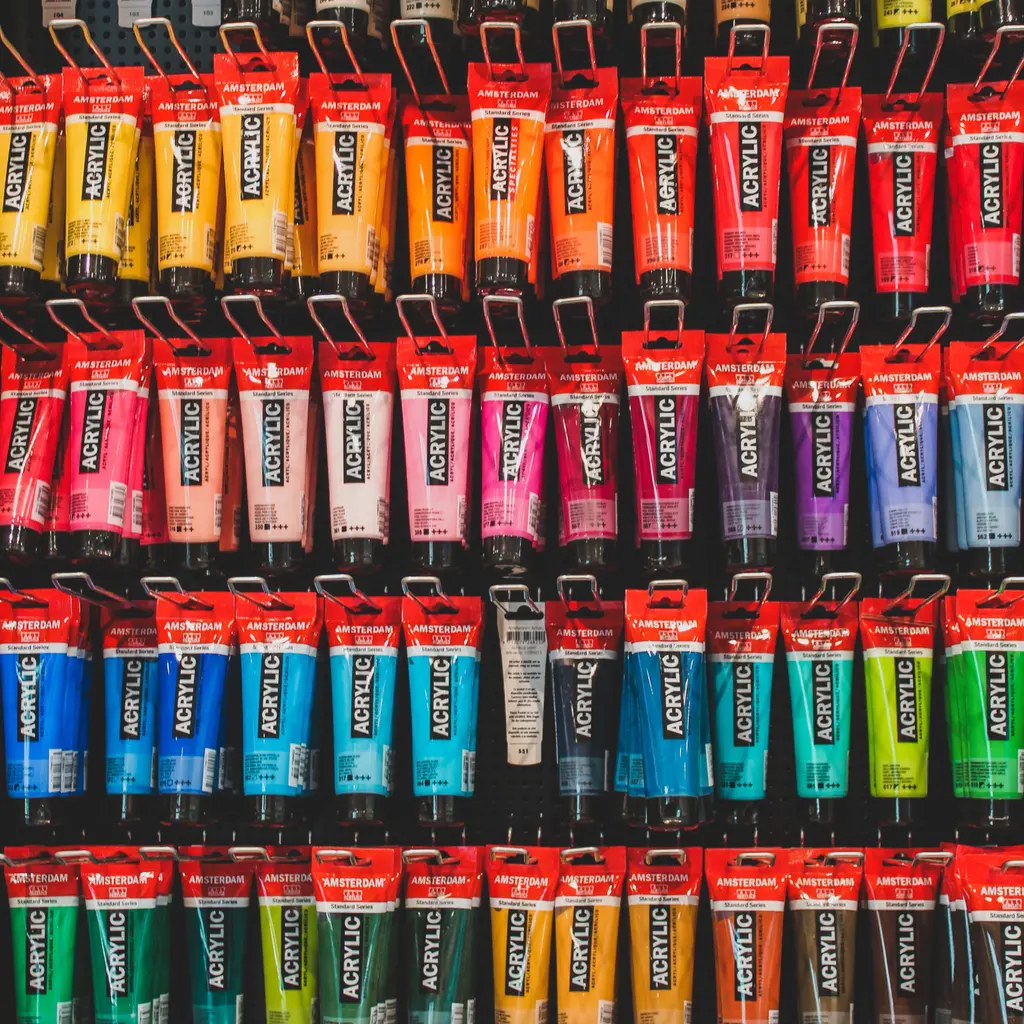
Acrylic paint tubes hang in color-organized rows on an art-supply display rack.

Industry overview

You supply paints, paper, canvas and other materials to artists, students and hobbyists, and you may host classes or demonstrations. A fire can destroy stock, while an injury among the displays or involving a product you sold can lead to a claim.

The Southern Agency can review the materials and activities in your store to help you choose insurance. We can discuss property protection for your stock and liability for customer injuries, with demonstrations and classes considered as part of the work you do.

Risks worth discussing

Flammable paints, solvents, and aerosols

Where the store carries flammable formulations, their quantities and storage affect the fire exposure. Product labels and safety data help identify the actual hazards rather than treating all paints and adhesives alike.

Chemical spills and cleanup

Leaking solvents or thinners can damage stock, create slip hazards, and raise cleanup or environmental concerns.

Customer injury in the aisles

Browsing customers, narrow aisles, and stacked or heavy product create slip-and-fall and falling-merchandise exposure.

Specialty and fine-art stock damage

Costly canvases, papers, and pigments are vulnerable to water, humidity, and breakage even without a fire.

Product liability from art materials

Paints, adhesives, and chemicals sold to customers can cause reactions or harm, leading to product liability claims.

Theft of high-value supplies

Premium paints, sets, and tools are attractive to shoplifters and vulnerable to after-hours burglary.

Payment data exposure

Card transactions at the register create breach and privacy liability if point-of-sale systems are compromised.

Situations to think through

These hypothetical examples are not agency claim results. Whether a loss is covered depends on the facts, policy terms, and applicable exclusions.

  1. Hypothetical: Solvent shelf fire

    Hypothetically, a fire starts near stored solvents, spreads through surrounding stock, and forces the shop to close for repairs. Commercial property may help replace insured goods after a covered fire. Purchased business-income coverage may help with the resulting covered income loss and continuing expenses, within its waiting period, restoration period, and limits.

  2. Hypothetical: Falling merchandise injury

    Suppose a heavy product falls from a shelf, injures a browsing customer, and leads to a claim against the store. General liability may help with defense and covered damages. Any medical-payments coverage has separate conditions and limits, and payment depends on the facts and policy rather than the injury alone.

  3. Hypothetical: Spilled thinner cleanup

    In a hypothetical spill, a thinner container leaks onto nearby stock, leaving damaged goods and cleanup and disposal bills. Commercial property may help with the resulting stock damage only if its cause-of-loss and contamination terms apply. Specific environmental coverage, if offered and purchased for the event, may address qualifying cleanup costs. Neither label makes routine spill response, disposal, or the defective container's replacement automatically insured.

Before you talk to an agent

What to have ready

Tick items as you gather them. Nothing here is saved or sent.

Questions to raise

  • List actual solvent, aerosol, paint, and adhesive formulations and peak quantities. Review labels, safety data, storage arrangements, and fire-protection conditions with the coverage submission; a hazard label is not an insurance approval.
  • Value specialty papers, canvases, pigments, and tools using current records. Compare replacement-cost or actual-cash-value terms, stock limits, and deductibles, including the treatment of humidity and handling damage.
  • Separate damaged stock from spill containment, cleanup, disposal, and any third-party demand. Property and general liability do not automatically pay all chemical-related costs; examine pollution exclusions and any specifically offered environmental terms.
  • Distinguish documented shoplifting, break-ins, employee theft, and unexplained shortages when comparing property and crime coverage. Retain invoices, inventory records, and security information.
  • For a covered fire closure, compare purchased business-income limits and time provisions with repair and restocking needs. Disclose demonstrations, classes, imported or private-label products, and any online sales rather than relying on a generic retail description.

Contract terms to check

  • Bring the lease and any shopping-center or franchise insurance schedule to review limits, landlord additional-insured requests, and responsibility for the premises and improvements. Requested obligations need to be compared with actual endorsements, not just a certificate.
  • Review supplier, importer, and private-label agreements for product information, warnings, indemnities, and responsibility for recalls or defective goods. A supplier's insurance does not by itself resolve the retailer's exposure or insure refunds and withdrawal costs.
  • If the store hosts demonstrations or classes, include instructor and venue agreements in the review. Also bring payment-processing and marketplace terms if used; insurance does not certify product-safety or payment-card compliance.

What the agent conversation looks like

Start with the work you do and the questions your current policies leave unanswered. Carrier options depend on your location, risk, and underwriting. Explore our approach.

  1. ListenReview your operations, current coverage, and past claims.
  2. AssessIdentify potential hazards and discuss ways to reduce risk.
  3. BuildDiscuss policy and carrier options, premium costs, and audits.
  4. SupportReview changes and help you plan ahead as your needs develop.

Questions owners ask

Do flammable art supplies change my insurance needs?

They can. Identify the actual formulations and quantities rather than treating all paints or adhesives as flammable. Storage, fire protection, and the insurer's accepted operations affect eligibility and property terms. Keep product labels and safety information available; those records do not certify insurance coverage.

Is a spill of solvents or thinners covered?

It depends on both the event and the expense. Damage to stock, cleanup, disposal, and a third-party claim may encounter different policy terms and pollution exclusions. Ask whether specifically offered environmental terms address the actual release and costs. Routine spill response and replacing a leaking product are not automatically covered.

How do I protect expensive specialty stock?

Use current invoices and peak inventory values to compare stock limits and valuation. Commercial property may help after covered fire, water damage, or theft, but replacement-cost treatment must be provided by the policy. Humidity, gradual deterioration, and handling breakage need their own cause-of-loss review.

Can customers sue over art materials they buy?

A retailer can face an allegation that sold paints, adhesives, or other materials caused injury or property damage, even when another business made them. Products liability, sometimes within general liability, may help defend a covered claim and pay covered damages. Refunds, ineffective materials, and recall or withdrawal costs are not the same as an insured injury claim.

Does a BOP fit an independent art supply store?

A business owners policy may combine property and liability if the store meets the insurer's eligibility rules. Chemical quantities, storage, demonstrations or classes, and stock values need to be disclosed. Compare included business-income terms and any exclusions with the actual operation; being an independent shop alone does not establish suitability.

Do I need cyber coverage for a small art store?

Consider what payment and customer information the store or its vendors handle, including any online orders or class registrations. Cyber coverage may help with covered breach-response costs and privacy claims. Compare the event definition, reporting duties, limits, and retention; processor contracts and payment-card compliance remain separate obligations.

Talk through your art supply store coverage

Bring your questions, current policies, and relevant contracts. An agent can review coverage terms, exclusions, and the information carriers ask for, then explain the options available to you.

How can we help you get started?

Choose the quote that fits, and we’ll take it from there.

Have a question? Contact us