Skip to content

Toy Store Insurance

A recalled toy can be unsaleable without suffering fire or water damage. Review that stock alongside injury claims and any play areas, and check that pre-holiday deliveries fit your property limits before the busiest weeks arrive.

The Southern Agency can review actual toy lines and suppliers, demonstrations or events, peak stock and the recall costs allocated to your store.

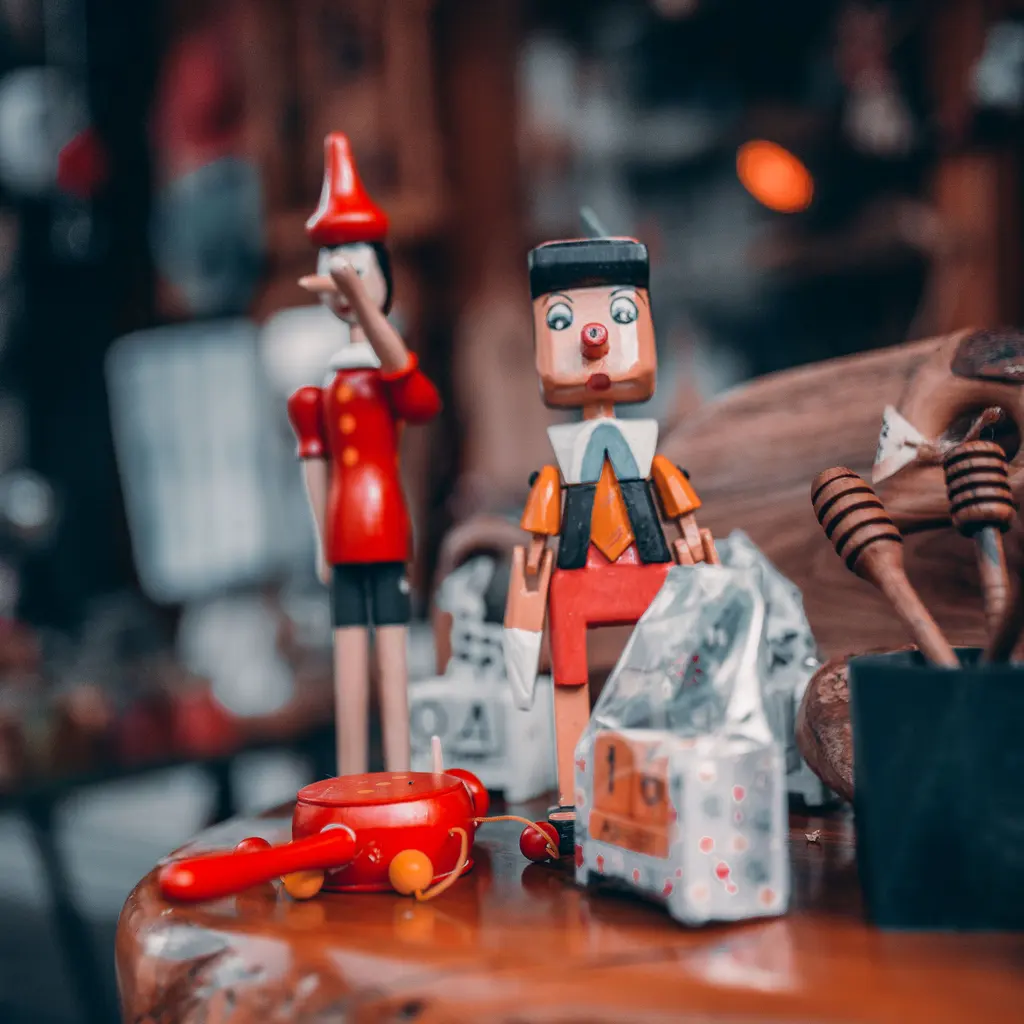
Wooden toy figures and a small red toy car displayed on a tabletop.

Industry overview

You help families find games, plush toys, and craft kits, and you may give children space to try them in the store. A fall beside a demo table or an injury involving a toy you sold can lead to a claim, while a fire can damage stock built up for the holidays.

The Southern Agency can review your product range, play areas, and events to help you choose insurance for your store. We can discuss liability for customer injuries and property limits for seasonal inventory, keeping recall expenses separate from product-injury coverage.

Risks worth discussing

Product injury allegations

A small part, sharp edge, or inadequate warning can be involved in a child's injury. Keep supplier and product information that helps identify what was sold; selling rather than manufacturing a toy does not prevent a claim.

Recalls and removed stock

Withdrawing a product can involve contacting buyers, separating affected stock, and arranging returns. Those expenses differ from defending an injury claim and are not automatically paid by product liability.

Demonstrations and events

A falling display, loose play item, or crowded craft table can cause an injury. Tell the insurer about play areas and hosted events rather than treating them as incidental to shelf sales.

Holiday inventory and customer data

Stock values can rise before peak selling periods. Online orders and in-store payment systems also create data exposure, including information held by service providers.

Situations to think through

These hypothetical examples are not agency claim results. Whether a loss is covered depends on the facts, policy terms, and applicable exclusions.

  1. Hypothetical: A small part leads to an injury allegation

    A family alleges that a toy sold by the store broke and injured a child. Product liability may help defend the retailer and pay covered damages. It does not automatically pay to retrieve every other unit or refund customers.

  2. Hypothetical: Child hurt at a demo table

    A display falls during an in-store demonstration and a parent makes an injury claim. General liability may respond if the activity and claim fall within coverage. Event or activity exclusions must be checked.

  3. Hypothetical: Toy line withdrawn from sale

    A supplier recalls a toy line and the store must isolate stock and contact purchasers. Specific recall coverage may help with eligible expenses if the event meets its trigger. Product liability alone should not be treated as a retrieval or refund fund.

Before you talk to an agent

What to have ready

Tick items as you gather them. Nothing here is saved or sent.

Questions to raise

  • Are play areas, craft sessions, and birthday events included in the described operations?
  • Which recall expenses would remain with the store under supplier agreements?
  • Does the property limit accommodate pre-holiday deliveries?

Contract terms to check

  • Check supplier terms for product identification, notification, returns, and responsibility for recall costs.
  • Have qualified advice on the safety and labeling obligations that apply to the actual products and the store's role. Insurance does not certify compliance.

What the agent conversation looks like

Start with the work you do and the questions your current policies leave unanswered. Carrier options depend on your location, risk, and underwriting. Explore our approach.

  1. ListenReview your operations, current coverage, and past claims.
  2. AssessIdentify potential hazards and discuss ways to reduce risk.
  3. BuildDiscuss policy and carrier options, premium costs, and audits.
  4. SupportReview changes and help you plan ahead as your needs develop.

Questions owners ask

Can a store be sued over a toy it did not make?

Yes. An injury allegation can name the seller as well as the manufacturer. Whether liability exists and whether insurance responds depend on the facts and policy.

Does product liability include recalls?

It generally focuses on covered injury and property-damage claims. Notification, retrieval, disposal and refunds need separate analysis and may require specific recall coverage.

What changes if I import or use my own label?

Disclose those activities. They change the product information and responsibilities that need review, but do not establish one universal legal role or an automatic coverage exclusion.

Are children covered while using the play area?

Ask whether the policy includes the actual activities. Premises injury coverage is not a promise to pay every accident, and hosted events may have additional terms.

Will a seasonal limit increase happen automatically?

Only if the policy provides it and its conditions are met. Compare the endorsement with actual delivery dates and peak stock values.

Talk through your toy store coverage

Bring your questions, current policies, and relevant contracts. An agent can review coverage terms, exclusions, and the information carriers ask for, then explain the options available to you.

How can we help you get started?

Choose the quote that fits, and we’ll take it from there.

Have a question? Contact us