

Allergic reactions and skin irritation
Cosmetics and skincare applied to the skin can trigger reactions, irritation, or breakouts, leading to bodily-injury and product-liability claims.
Try a different word, or check the spelling.
A shared tester and a sealed take-home product involve different handling, especially if you also apply makeup or perform lash or brow work. Your product and service protection should fit those activities, with fragile stock, and any private-label or imported lines identified separately.
The Southern Agency can help you separate product sales from the beauty services your staff provide.
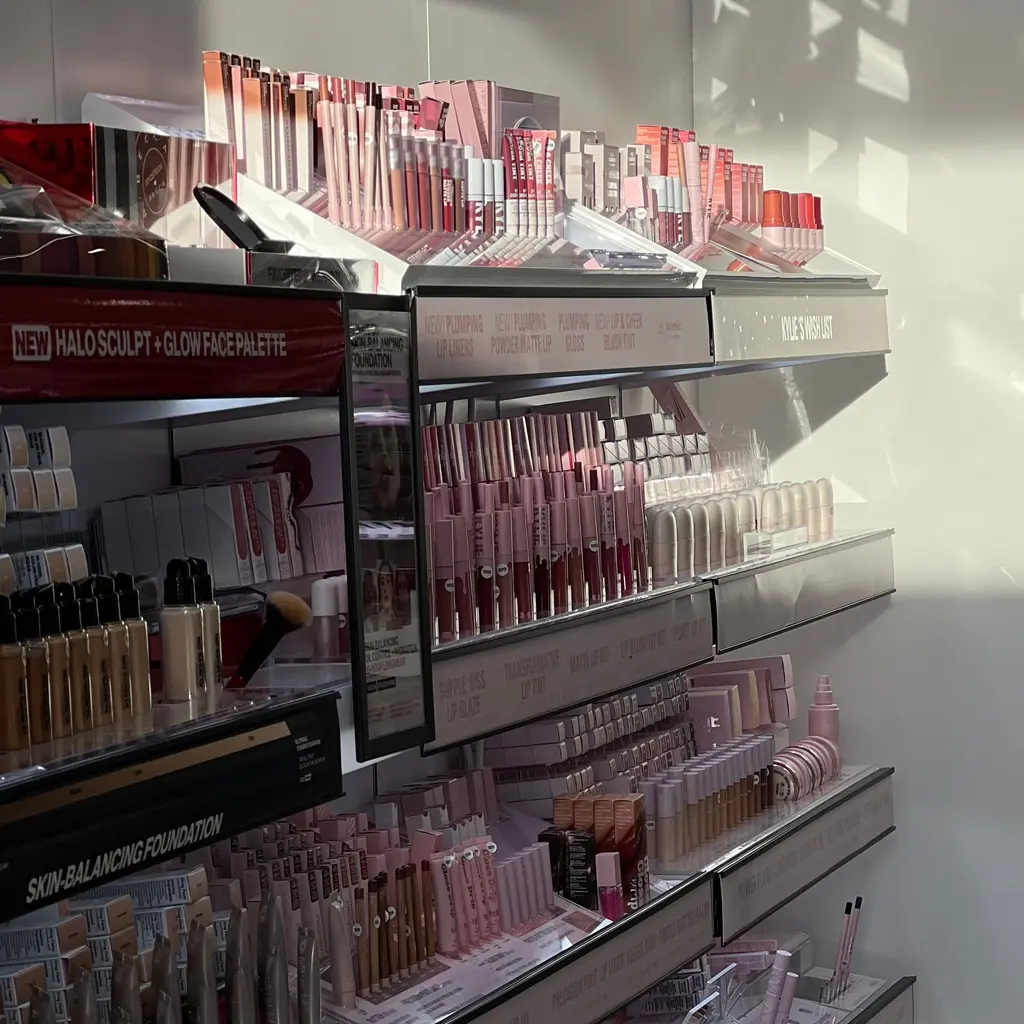
You sell makeup, skincare and fragrances, often helping customers try products at the counter. If you also apply makeup or offer other services, a reaction may raise different liability questions. A fire can damage valuable stock and interrupt sales.
The Southern Agency can review your product range, testers, and hands-on services to help you select insurance. We can discuss product and professional liability alongside property protection, so take-home goods and treatments receive the appropriate attention.
Cosmetics and skincare applied to the skin can trigger reactions, irritation, or breakouts, leading to bodily-injury and product-liability claims.
Shared open testers used by many customers raise the risk of contamination and reactions tied to in-store sampling.
Staff applying makeup or performing brow, lash, or skincare touch-ups create a service exposure beyond simple over-the-counter sales.
Premium cosmetics, palettes, and glass fragrance bottles are easily broken, spoiled, or stolen, and a loss can be costly.
Some fragrance formulations and aerosols are flammable. The actual products and quantities stored or displayed determine the fire concern.
A breach of information handled by the shop or its providers can create response costs and privacy claims. Actual card data and processor or PCI obligations need separate review.
Customers leaning into counters, testing products, and moving through display areas can slip, trip, or be injured by fixtures.
Policies to ask about. Which ones fit depends on your operations, your contracts, and the carrier’s forms.
These hypothetical examples are not agency claim results. Whether a loss is covered depends on the facts, policy terms, and applicable exclusions.
Suppose a customer develops a severe skin reaction after trying a sampled product and brings a claim. Applicable general/product liability coverage may help with covered defense and injury damages, including medical costs for which the shop is legally liable. If staff application is alleged to have caused the injury, accepted-service terms and any professional exclusions also need review; the event does not establish that several policies each pay.
Suppose a shopper knocks over a glass fragrance display and is cut by broken bottles. If the shop faces a claim, general liability may help with covered defense and damages, depending on the incident facts, liability, and exclusions. Any medical-payments benefit has separate conditions. Replacing the shop's broken bottles is a property question, not an automatic liability benefit.
Suppose a fire involving alcohol-based fragrance stock damages inventory and fixtures and interrupts trading. Commercial property coverage may help repair insured fixtures and replace covered stock at the written valuation. Purchased business income coverage may help with qualifying income loss and continuing expenses during the covered restoration period. Storage conditions, limits, deductibles, and time terms still matter.
Start with the work you do and the questions your current policies leave unanswered. Carrier options depend on your location, risk, and underwriting. Explore our approach.
A customer may allege a sold or sampled product caused an injury even when another company made it. Applicable product coverage may help with covered defense and damages; identify imports, private-label goods, and products used in services. Refunds, recall expenses and replacing stock are different costs, and the product and general liability labels do not necessarily describe separate policies.
Shared testers can introduce contamination as well as reaction concerns, especially around the eyes. Describe the actual sampling and applicator practices and review the manufacturer's instructions and appropriate safety guidance. For a claim, the product, tester handling or staff service alleged to have caused harm affects the coverage analysis. Neither hygiene precautions nor the presence of a tester guarantees payment.
Review the exact services and people performing them against the policy's accepted procedures, bodily-injury terms, and professional exclusions. A policy called professional liability does not by itself confirm makeup, lash, brow, or skincare services are included. Some service-focused programs also distinguish products used in services from products sold to customers, so retail product protection needs its own check.
It can be, depending on the actual formulations, aerosol products, quantities, and storage. Bring labels and relevant safety information along with the fire-protection details. Property insurance may help with a covered fire loss to insured stock and fixtures, subject to valuation, limits, deductibles, and any storage conditions; not every fragrance product has identical hazards.
Identify the payment, loyalty and subscription information the shop and its providers actually collect, retain or access. Cyber coverage may help with defined response costs and covered privacy claims after an insured event, subject to reporting, response-provider requirements, retention, and limits. Card processing alone does not establish a covered PCI assessment or reimbursement of every processor demand.
Bring your questions, current policies, and relevant contracts. An agent can review coverage terms, exclusions, and the information carriers ask for, then explain the options available to you.