

High-value inventory theft and burglary
Small, valuable smartphones, laptops and other electronics can be concealed or taken in a break-in, causing stock loss. Actual values, locations, and known loss history need review.
Try a different word, or check the spelling.
Your financing application holds a different kind of value from the appliance loaded for a home installation. Data, transit and installation protection should follow those responsibilities, with delivery-vehicle liability distinguished from the unit itself, a hookup claim or redoing your own work.
The Southern Agency can help you coordinate your property, transit and installation insurance needs.
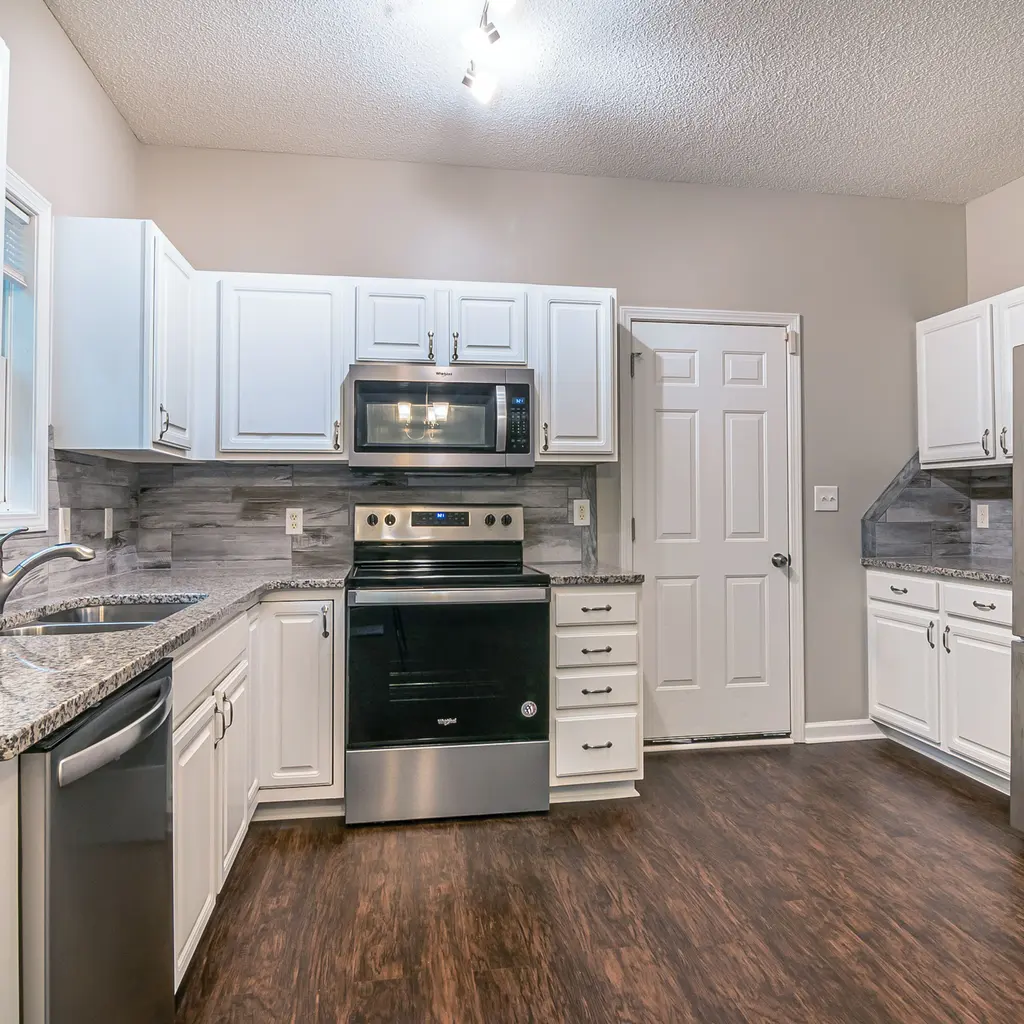
You sell electronics and appliances and often handle delivery and installation for your customers. Moving heavy units and visiting homes adds a layer of installation and transit risk to your retail business.
The Southern Agency can review your showroom operations and your delivery/installation process to help you select appropriate insurance. We can discuss how inland marine coverage may apply to goods in transit compared to how liability coverage addresses your installation work.
Small, valuable smartphones, laptops and other electronics can be concealed or taken in a break-in, causing stock loss. Actual values, locations, and known loss history need review.
A defective appliance or electronic device that overheats, leaks, or causes a fire can result in property damage and injury claims against the retailer.
Connecting gas, water, or electrical lines during appliance hookup can damage a customer's property if the work goes wrong.
Large appliances can be damaged, dropped, or stolen while loaded on trucks or in transit between the warehouse and the customer.
Operating delivery trucks on local roads exposes the store to auto liability for bodily injury and property damage.
Heavy displays, tip-over hazards, and crowded aisles create slip, trip, and struck-by injury exposure for shoppers.
Card transactions and stored financing applications expose customer data to theft if systems are compromised.
Policies to ask about. Which ones fit depends on your operations, your contracts, and the carrier’s forms.
These hypothetical examples are not agency claim results. Whether a loss is covered depends on the facts, policy terms, and applicable exclusions.
Suppose a water line connected during a refrigerator installation later leaks and damages the customer's kitchen flooring. Applicable general liability terms may help with covered defense and resulting flooring-damage liability. Review the insured operator/work, timing, ongoing/completed operations, and relevant property/own-work exclusions. Redoing the connection or replacing the appliance is not automatically the same covered cost.
Suppose thieves break in after hours and steal laptops and phones from the display floor. Commercial property theft terms may help replace covered stolen inventory at the written valuation. Check limits, deductibles, loss documentation, and any applicable theft/security conditions.
Suppose a customer alleges a washer sold by the store caused a fire at home. Applicable general/product liability may help with covered defense and claimed fire-damage liability, depending on the allegations, cause, insured products, exclusions, and limits. Replacing the washer or undertaking a product recall involves separate own-product/withdrawal terms.
Start with the work you do and the questions your current policies leave unanswered. Carrier options depend on your location, risk, and underwriting. Explore our approach.
Review the actual transit or installation terms, insured goods/ownership, carrier and load values. Fixed-premises property and vehicle liability alone do not establish cargo protection. Loading/unloading, temporary storage, installation/testing, acceptance, limits, and deductibles can change the answer; a carrier's cargo policy may not insure the retailer's own goods on the same basis.
A retailer can face a claim even when another company made the appliance, but the allegation alone does not establish fault. Applicable general/product liability may help with covered defense and damages for injury or damage to other property. Replacing the defective appliance, refunds, recall and warranty or installation rework involve different terms.
Describe the actual connections, workers/operators and any subcontracted work, and check the policy accepts those operations. Liability terms may help with covered resulting injury or property-damage claims, but timing, ongoing/completed work, care/custody, and the particular property worked on matter. Correcting your connection or defective product is not automatically covered, and licensing and work requirements remain separate.
Commercial property theft terms may help replace covered stolen stock. Bring actual values/peaks and locations, then review valuation, limits, deductibles, and any written theft/security conditions or sublimits. These restrictions are not universal for every high-value item. A stock discrepancy or alarm alone does not establish a covered theft or guaranteed payment.
Identify actual card processing, financing applications, online orders, records retained, and provider access. Cyber terms may help with defined response costs and covered privacy claims after an insured event, subject to reporting, response requirements, retention, and limits. Card volume alone does not determine need or limits; financing losses and processor/PCI demands require specific terms.
Warehouse, delivery and installation work can involve lifting, handling, falls and other work injuries. Covered workers' compensation benefits may include medical care and wage loss, while requirements depend on state rules and the actual workforce. Provide payroll, duties, and staffing, including any outside crews, without assuming a contract label determines employment or insurance status.
Bring your questions, current policies, and relevant contracts. An agent can review coverage terms, exclusions, and the information carriers ask for, then explain the options available to you.