

Customer injuries across the sales floor
Customers moving among displays, stacked merchandise and checkout areas can slip or be struck by falling goods. The height, weight and stability of displays affect the potential consequences of an incident.
Try a different word, or check the spelling.
Your parking area, high-stack departments and checkout systems put different responsibilities under the same store name. Property, shopper, and workforce protection should fit those operations, without assuming a large limit includes flood, wage recovery or every payment-processor assessment.
The Southern Agency can help you review your departments, deliveries, and store systems when choosing coverage.
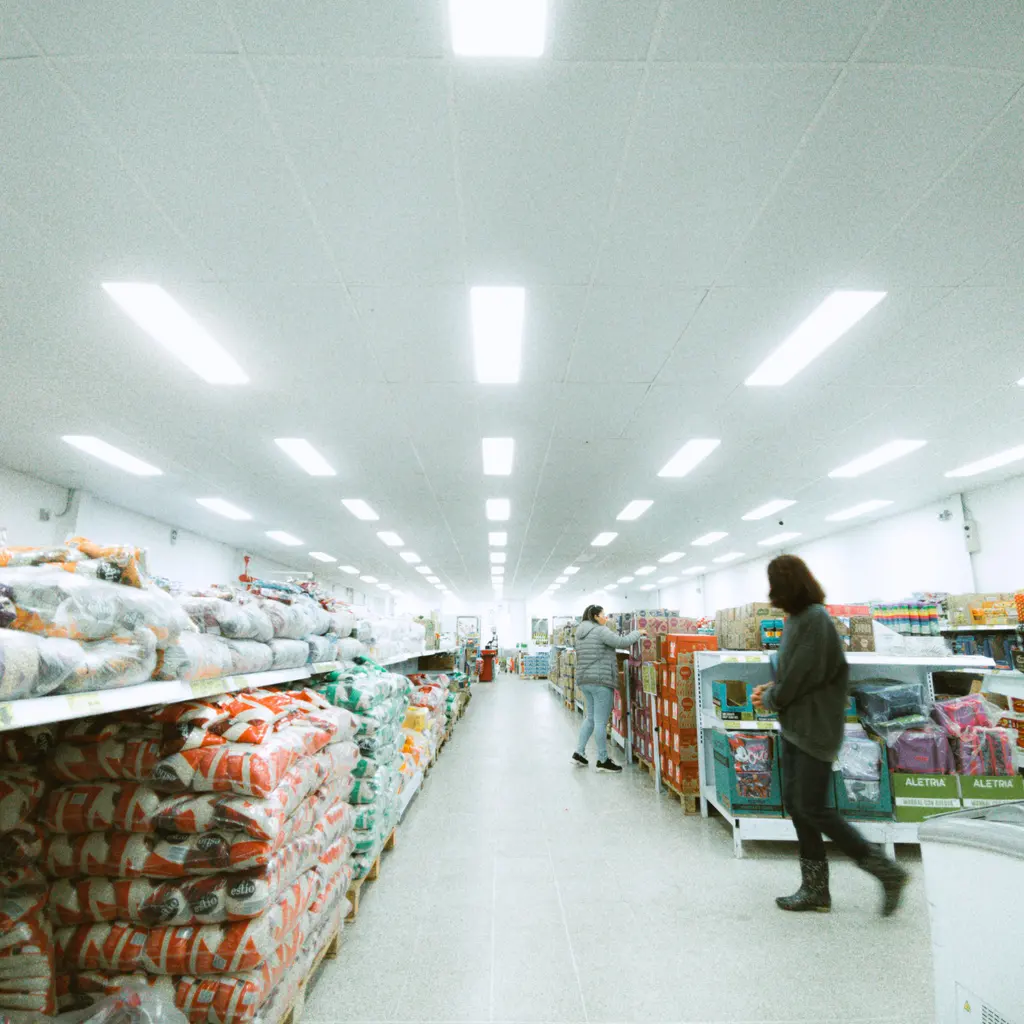
You bring several retail departments under one roof, with tall shelving, frequent deliveries, and customers shopping while staff restock. Falling merchandise can injure someone, and a fire can damage inventory across the store and interrupt sales.
The Southern Agency can review your store operations and help you choose insurance for the property, people, and systems involved. We can discuss stock and business-income protection alongside customer liability, employee injuries, and the data handled at checkout.
Customers moving among displays, stacked merchandise and checkout areas can slip or be struck by falling goods. The height, weight and stability of displays affect the potential consequences of an incident.
Hiring, supervision and shift administration can lead to discrimination, harassment, termination, or wage-and-hour allegations. Wage recovery is a different coverage question from defending a covered discrimination claim.
A breach can expose payment or customer records across checkout and online systems. The records held, vendors involved, and processor agreements matter; a high transaction count alone does not establish which assessments or penalties are insured.
High-stack racking and forklift use create crush, fall, and struck-by hazards for both staff and customers.
Large parking lots generate vehicle collisions, pedestrian injuries, and assault or security-related liability claims.
Fire, storm or flood can damage a large building and concentrated stock and interrupt sales. Flood and different water causes require separate coverage analysis; the scale of a loss does not establish its cause is insured.
Stocking, lifting, and operating equipment across long shifts exposes a large workforce to strain and injury claims.
Policies to ask about. Which ones fit depends on your operations, your contracts, and the carrier’s forms.
These hypothetical examples are not agency claim results. Whether a loss is covered depends on the facts, policy terms, and applicable exclusions.
Suppose an item falls from high racking, strikes a shopper, and results in an injury claim against the store. General liability may help with defense and covered damages, subject to the facts, exclusions, and limits. Any medical-payments benefit is separate; an accident is not proof of negligence or a promise of payment.
In a hypothetical checkout-system breach, customer card records are exposed and the retailer incurs forensic and legally required notification costs. Cyber coverage may help pay covered response costs and address covered privacy claims, within reporting, provider-approval, retention, and limit requirements. Any processor assessment needs its own coverage review.
Hypothetically, employees claim they were not paid overtime across several shifts, creating a legal defense bill and a demand for wages. An employment-practices policy with an applicable wage-and-hour defense extension may help with covered defense costs, within its sublimit, retention, and reporting terms. That limited benefit is different from paying owed wages, penalties, or a settlement; an unendorsed policy may exclude the wage claim.
Start with the work you do and the questions your current policies leave unanswered. Carrier options depend on your location, risk, and underwriting. Explore our approach.
An excess or umbrella layer may provide additional limits when a covered claim exceeds the specified underlying insurance. Review potential customer or parking-claim severity, loss history, and actual contractual requests against attachment requirements and exclusions. Traffic or store size alone does not establish a suitable limit, and the layer does not automatically extend to property, cyber or employment claims.
Assess the payment and customer records handled, systems connected and vendors involved rather than assuming a particular transaction count. Cyber coverage may help with covered investigation, notification, and privacy claims. PCI assessments, contractual demands, reporting, approved providers, retention, and limits need specific review; compliance is not certified by buying insurance.
Review hiring, supervision, and termination practices alongside discrimination and harassment claim terms. EPL may help defend covered claims and pay covered loss, but wages and overtime require separate analysis: a policy may exclude wage-and-hour matters or offer only limited defense costs. Check claims-made timing, reporting, prior matters, retention, and whether defense costs reduce the limit.
A covered claim alleging the retailer's premises negligence may fall under general liability, depending on parking responsibilities and the facts. Vehicle operation, employee injury and assault or security allegations can involve different coverage or exclusions. Review the lease, security arrangements, and actual forms rather than treating every lot incident as the same risk.
Purchased business-income coverage may help with covered income loss and continuing expenses after the required insured physical damage or other specified trigger. Compare limits, waiting periods, restoration time and any extra-expense terms. A closure, reduced traffic or equipment outage alone does not establish the trigger; breakdown and service-interruption terms may differ from property-fire coverage.
Identify the HVAC, refrigeration, and other systems actually used and what a covered internal mechanical or electrical event could interrupt. Equipment breakdown may help repair insured equipment; spoilage, income, and extra expense need their own applicable terms and limits. Wear or routine maintenance alone is not the same as a covered event, and an external utility outage needs separate analysis.
Bring your questions, current policies, and relevant contracts. An agent can review coverage terms, exclusions, and the information carriers ask for, then explain the options available to you.