

Product failure causing injury
A cable, frame, weld, or motor failure on sold equipment can injure the user, creating product liability exposure long after purchase.
Try a different word, or check the spelling.
Letting a shopper try a treadmill is a different activity from selling a boxed machine or assembling one in a gym. Your demonstration, product and installation protection should fit those stages, with exercise-related terms and staged equipment values reviewed specifically.
The Southern Agency can help you protect your fitness equipment inventory and manage installation-related risks.
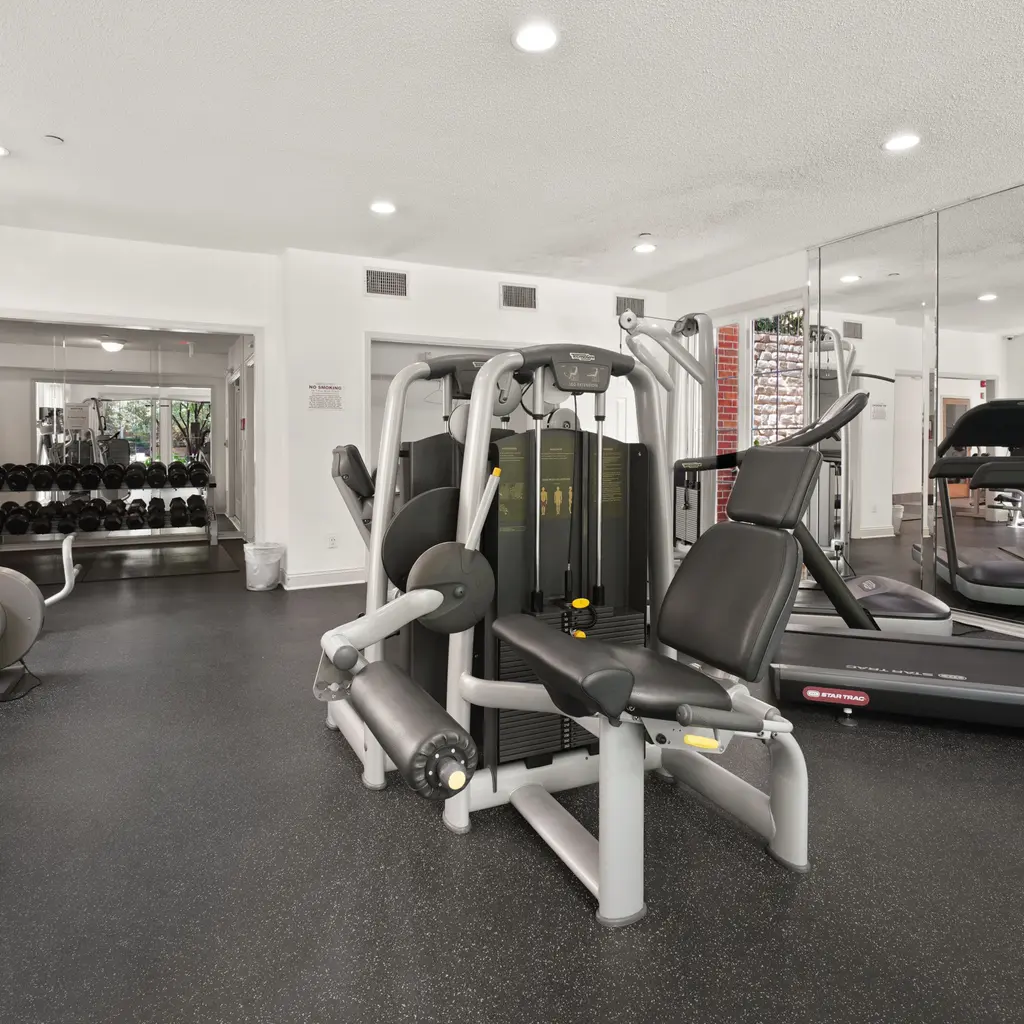
You manage a fitness equipment outlet where customers test machines before you arrange delivery and setup. Handling and installing large, heavy equipment exposes you to specific injury and damage risks beyond those of a standard retail shop.
The Southern Agency can review your showroom demonstrations and your delivery/installation operations to help you select appropriate insurance. We can discuss how to protect your stock during transit and clarify your liability for injuries occurring during equipment setup.
A cable, frame, weld, or motor failure on sold equipment can injure the user, creating product liability exposure long after purchase.
Customers testing treadmills, presses, and powered machines on the floor can be hurt during demonstrations.
Crews maneuvering heavy equipment in homes and gyms can damage property or injure people during delivery and setup.
Company trucks transporting heavy machines face the road and loading risks tied to a delivery operation.
Treadmills and weight systems can be damaged while loaded, moved, or in transit before installation is complete.
Bulky, boxed equipment creates lifting injury and falling-merchandise exposure in the showroom and stockroom.
Big-ticket machines represent significant property value exposed to fire, theft, and water damage.
Policies to ask about. Which ones fit depends on your operations, your contracts, and the carrier’s forms.
These hypothetical examples are not agency claim results. Whether a loss is covered depends on the facts, policy terms, and applicable exclusions.
Suppose a treadmill sold by the outlet malfunctions and injures its user at home. Applicable general/product liability may help with covered defense and injury damages, depending on the allegations, cause, insured goods, exclusions, and limits. Repairing or replacing the treadmill and recalling other machines involve different terms.
Suppose a crew scratches flooring and damages a wall while installing a weight system. General liability may help with covered defense and resulting customer-property damages. Confirm the insured operator/work and relevant custody, particular-property, ongoing/completed, and loading/auto terms; correcting the equipment or the installation itself is a separate cost.
Suppose a delivery truck collides while carrying machines. Business auto liability may help defend a covered accident claim if one follows. Review the actual injury/damage allegations, insured auto, driver and use. Repairs to the truck depend on purchased physical-damage terms, while carried equipment needs its own cargo review.
Start with the work you do and the questions your current policies leave unanswered. Carrier options depend on your location, risk, and underwriting. Explore our approach.
A failed machine can injure its user, and the retailer can face a claim even when another company made it. Applicable product terms, sometimes part of general liability, may help with covered defense and damages. Confirm the actual home/commercial goods and assembly activities; warranty repairs, replacement and recalls are different costs.
Show what the crew does and whose goods/property are involved. Review accepted operations, custody, the property worked on, ongoing/completed work, and own-work/product exclusions. Auto/loading, transit, and installation/testing terms may apply to different interests; one store-policy label does not confirm them all.
Describe the actual vehicles, drivers, and owned/hired/other use, then compare covered-auto liability and any purchased truck physical damage. Auto liability does not automatically cover carried machines, every loading/unloading event, or installation work in a home or gym. Coordinate those actual interests and stages with cargo and GL terms.
Describe customer use, powered/moving machines, and staff assistance, then confirm demonstrations are accepted under the actual liability terms. General liability may help with a covered injury claim, but medical payments are a separate benefit: some wording excludes physical-exercise injuries. That restriction does not by itself decide the separate liability claim.
Specific cargo/transit or installation terms may help with covered loss to insured machines. Check retailer/customer ownership, carriers, loading, temporary storage, installation/testing, acceptance, values, limits, and deductibles. Fixed-premises property and truck liability alone do not establish coverage for the load or workmanship.
Lifting and moving heavy equipment can cause work injuries. Covered workers' compensation benefits may include medical care and wage loss; requirements depend on state rules and the actual workforce. Bring payroll, headcount, duties, and any outside-crew arrangements without assuming a job title or contract label determines every worker's status.
Bring your questions, current policies, and relevant contracts. An agent can review coverage terms, exclusions, and the information carriers ask for, then explain the options available to you.