

Rights
Papers, figures, and datasets may have different permissions.
Try a different word, or check the spelling.
Your institutional login can open access to a paper without settling reuse rights for its figures or datasets. Portal and publishing protection should distinguish access, indexing, and licensed content, with subscriber data and higher digital liability limits accepted rather than assumed.
Bring actual distributed formats and rights agreements, institutional access arrangements, platform providers and service commitments.
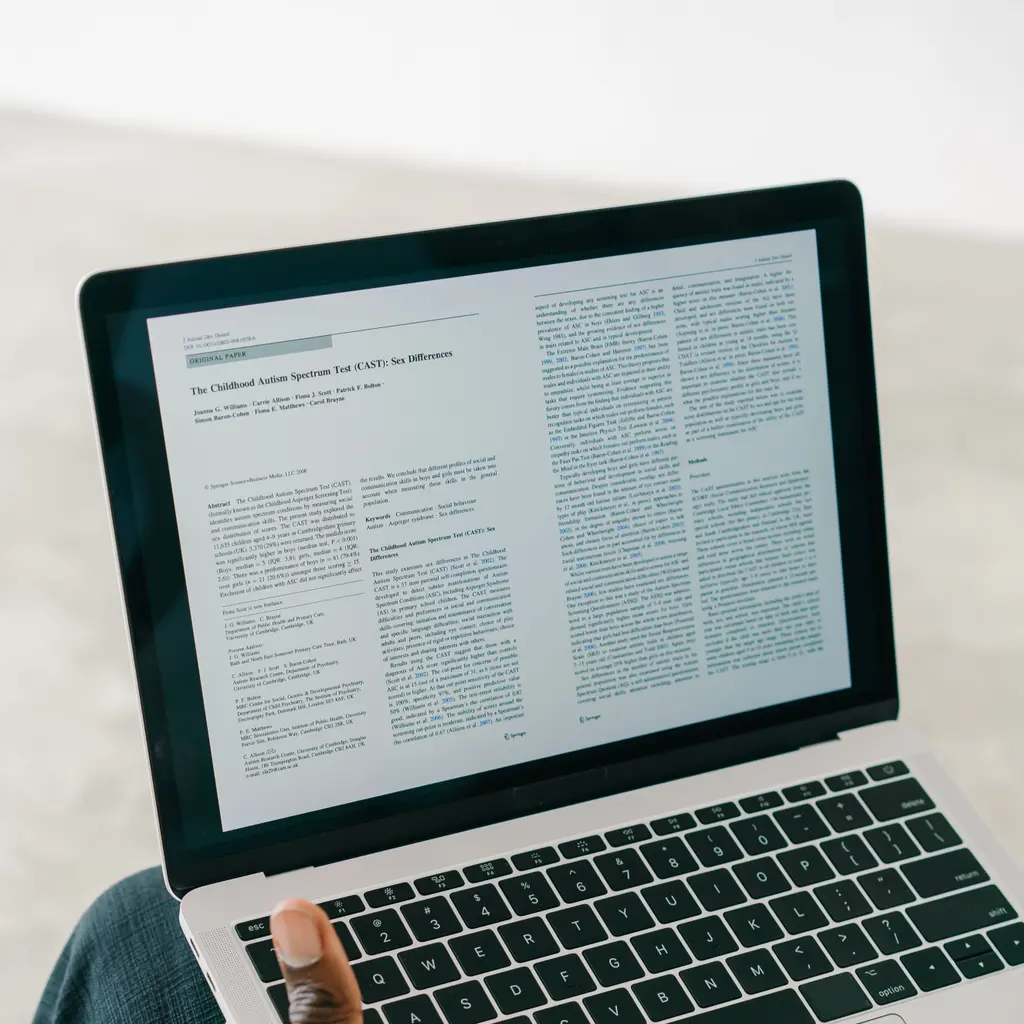
You give institutions and subscribers access to papers, datasets, and searchable research records. A disputed article license can lead to a publishing claim, while failed authentication can keep customers from using the access they purchased.
The Southern Agency can review your distribution rights and platform services to help you select insurance. We can discuss accepted publishing or professional liability and cyber benefits, keeping licensing disputes separate from data and service-interruption losses.
Papers, figures, and datasets may have different permissions.
Institutional credentials can be stolen or fail.
Indexing or file errors can disrupt research use.
Subscription records create privacy interests.
Funding and institutional decisions can generate governance allegations.
Policies to ask about. Which ones fit depends on your operations, your contracts, and the carrier’s forms.
These hypothetical examples are not agency claim results. Whether a loss is covered depends on the facts, policy terms, and applicable exclusions.
A publisher might allege that your portal distributed a paper or figure beyond the agreed license. Accepted media/IP terms may help defend a covered claim, but licensing and contract exclusions matter. Permission to authenticate institutional readers does not itself establish reproduction rights, and insurance does not purchase a missing license.
Stolen institutional credentials could allow unauthorized access to subscriber records. Identify the affected information, portal and institution roles and actual access before comparing cyber response and privacy terms. Reporting, approved providers and any interruption conditions govern benefits; stolen credentials alone do not prove every record was exposed.
E&O may address covered service allegations; SLA credits and refunds may remain contractual costs.
Start with the work you do and the questions your current policies leave unanswered. Carrier options depend on your location, risk, and underwriting. Explore our approach.
Scholarly distribution needs explicit media/IP scope and review of licensing exclusions.
Credentials and billing data can create response and privacy costs.
Liability depends on responsibility; ordinary refunds or availability promises are not automatically covered.
D&O concerns management allegations rather than research or service errors.
Indexing and file delivery need accepted technology services and loss definitions.
Use actual institutional limit and endorsement requests; no universal requirement is assumed.
Bring your questions, current policies, and relevant contracts. An agent can review coverage terms, exclusions, and the information carriers ask for, then explain the options available to you.