

Originals
Fire, water, and handling can permanently damage collections.
Try a different word, or check the spelling.
A collection on loan or in transit can have a different owner and valuation from the scanners and climate systems you own. Your archive protection should follow those custody stages, while restricted access, rights, researcher accounts, and governance depend on the actual institution.
Share collection and deposit agreements, valuation records and loan stages, with restricted-access duties and actual digital recovery arrangements.
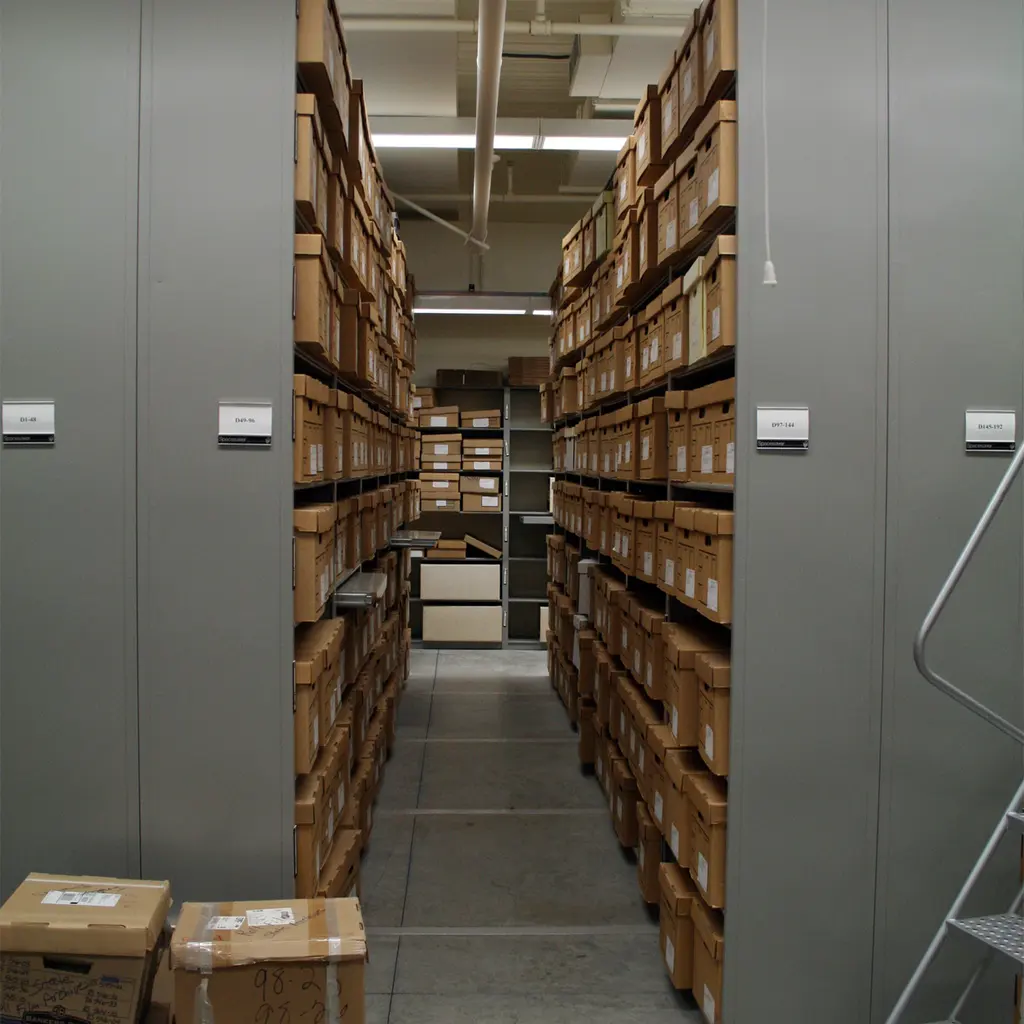
You retain records and manage access to original materials for research, which requires careful preservation and privacy handling. A leaking pipe or an accidental release of restricted records can lead to property or privacy claims.
The Southern Agency can review your collection ownership and access policies to help you select insurance. We can examine how commercial property or cyber insurance may help protect your physical holdings and digital records.
Fire, water, and handling can permanently damage collections.
Migration or corruption can impair usable access.
Publication may conflict with copyright or restrictions.
Sensitive records and researcher accounts create different duties.
Climate systems and institutional decisions support stewardship.
Policies to ask about. Which ones fit depends on your operations, your contracts, and the carrier’s forms.
These hypothetical examples are not agency claim results. Whether a loss is covered depends on the facts, policy terms, and applicable exclusions.
A leaking pipe could soak deposited original documents and damage your scanners. Compare each owner's interest, accepted water cause and separate collection/equipment valuation. Repair, conservation or an agreed collection settlement depends on actual terms; insurance cannot recreate an original merely because a replacement-cost label covers office equipment.
An access error could release a restricted record to an unauthorized researcher. Accepted professional, media or cyber privacy terms may help with covered defense or response, depending on actual records, duties and the event. Reading-room access does not itself authorize publication, and a policy does not remove a deposit restriction.
Cyber incident and restoration provisions determine response.
Start with the work you do and the questions your current policies leave unanswered. Carrier options depend on your location, risk, and underwriting. Explore our approach.
Unique collections need an accepted valuation basis and ownership or custody interests.
Publishing can create rights allegations even when reading-room access is authorized.
Data restoration and hardware replacement require different triggers; not all corruption or lost file value is insured.
Management protection should fit the actual archive entity and funding duties.
Loans and transit need accepted locations, handoffs, and limits.
Restricted records need actual access controls and accepted media or cyber privacy scope.
Bring your questions, current policies, and relevant contracts. An agent can review coverage terms, exclusions, and the information carriers ask for, then explain the options available to you.