

Aircraft ground damage
During pushback or loading, a tug, belt loader or stairs can strike an airframe, door, or engine and cause aircraft damage. Identify the task, equipment, operator, and aircraft before reviewing a repair demand.
Try a different word, or check the spelling.
The tug you use, an aircraft you approach and bags you accept are different property interests on the ramp. Your ground-handling protection should fit the actual airside tasks, with passenger assistance, any fueling or de-icing and service penalties considered separately.
The Southern Agency can review your actual aircraft, baggage and passenger handoffs with the airside work and equipment terms you need to compare.
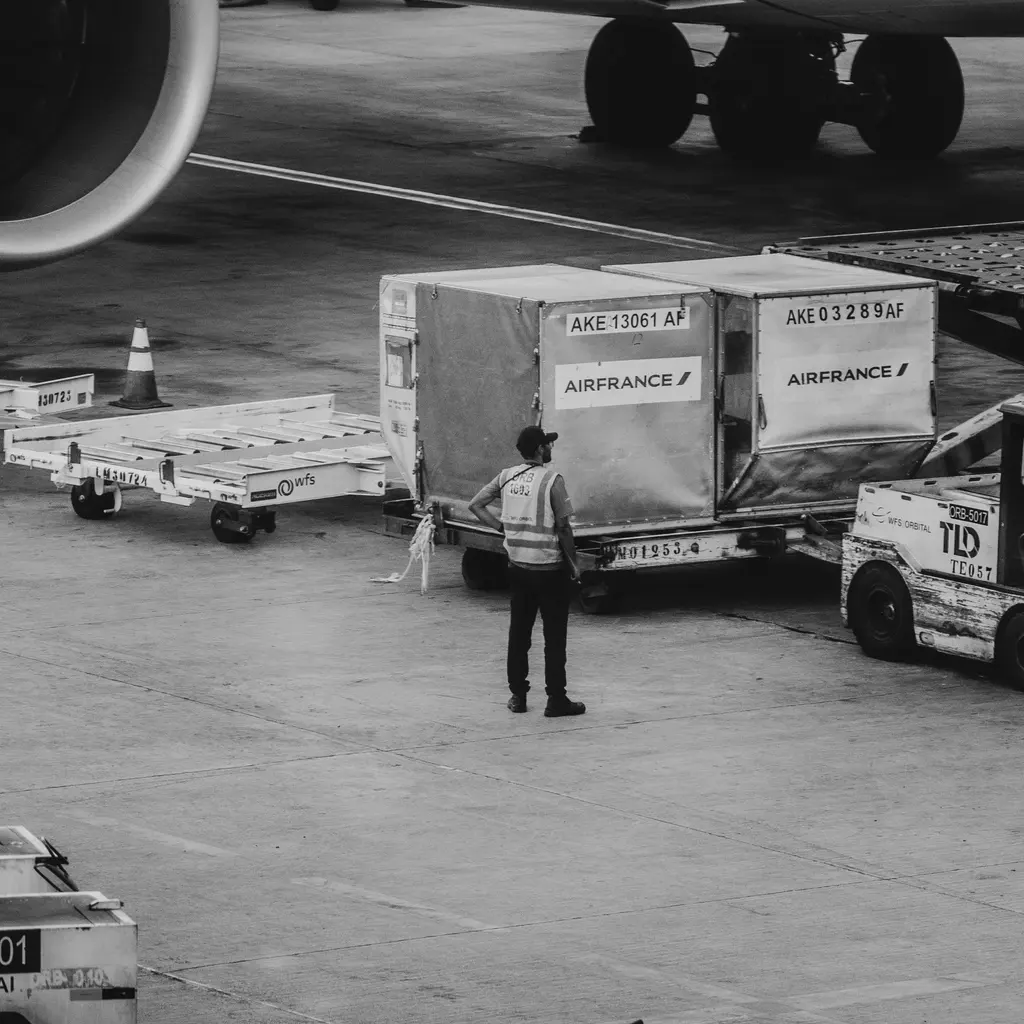
You provide essential ramp services including baggage handling, cargo loading, and the operation of ground support equipment. Collisions on the tarmac or injuries to your ramp crew can lead to costly repairs and claims.
The Southern Agency can review your ramp operations and equipment to help you select appropriate insurance. We can help you identify whether your property policy covers mobile service equipment and how your liability insurance responds to ramp-side incidents involving customer aircraft.
During pushback or loading, a tug, belt loader or stairs can strike an airframe, door, or engine and cause aircraft damage. Identify the task, equipment, operator, and aircraft before reviewing a repair demand.
Manual lifting or reaching can strain workers, while moving tugs, and loaders can cause contact or crushing injuries. Jet blast, noise, wet surfaces, and icy ramps add task-specific exposures; identify the actual job and conditions.
Bags or cargo can be lost, damaged, or misloaded during a handoff. Identify whose property is involved, who had custody, and what the handling contract requires; a late-flight charge or service penalty is different from physical cargo damage.
If you fuel or de-ice aircraft, a hose, nozzle or transfer failure can release material onto the ramp or into drains. Describe actual tasks, substances, equipment, storage and response responsibilities. Aircraft damage, fire injury, cleanup and routine disposal involve different duties and insurance terms.
Tugs, loaders, power units, stairs, and other equipment can be damaged, stolen, or mechanically disabled. Ownership, scheduled value, airport use, road movement, and failure cause determine which property, auto, or breakdown terms need review.
Wheelchair, boarding and escort services bring employees into close contact with passengers and aircraft. Describe the task and responsible party; a passenger injury allegation needs actual aviation, airside, and liability wording, not an assumed general-liability response.
Airline or airport agreements may set limits, indemnity, insured-status, waiver, and notice terms for the services they buy. Review the specific clauses and compare them with issued forms before agreeing to them.
Policies to ask about. Which ones fit depends on your operations, your contracts, and the carrier’s forms.
These hypothetical examples are not agency claim results. Whether a loss is covered depends on the facts, policy terms, and applicable exclusions.
Hypothetical: A tug hits an aircraft door during pushback, and the airline requests repair costs. Aviation or airside liability may cover a claim only if the policy includes the work, aircraft interest, and liability involved. A general-liability label or certificate does not settle that question.
Hypothetical: During de-icing, fluid reaches a storm drain and a cleanup request follows. Pollution coverage may help with eligible cleanup if the site and event fit the policy and its reporting, consent, and transport terms. Permit work, fines, and routine disposal are separate.
Hypothetical: A crew member hurts their back while lifting cargo into a hold. Workers' compensation may pay benefits if the worker, task, and location qualify under applicable rules.
Start with the work you do and the questions your current policies leave unanswered. Carrier options depend on your location, risk, and underwriting. Explore our approach.
Start with the services and handoffs listed in each agreement. The review may include aircraft and premises liability, passenger injuries, workers, mobile equipment, cargo, and pollution. Auto, property, breakdown, and lost-income needs depend on the work and the forms.
Record the equipment and task involved and who had custody. Then review aircraft-damage wording in the aviation or airside policy; a general-liability label alone is not enough.
An airline or airport agreement may require limits, insured status, indemnity or notice. Compare the full clause with the issued policy before signing; the contract does not change the insurer's terms.
If the handler does this work, list the substances, sites, storage and transport. Pollution coverage may help with eligible cleanup when the policy's location, notice, and consent terms apply. Fines and routine disposal are different costs.
List which units are owned or leased, their values and where they are used. Compare property and breakdown wording; aircraft, cargo, collision damage and lost income may need separate review.
Describe the wheelchair, boarding or escort work and who performs it. Review the policy's passenger and airside terms; ordinary general liability may not cover every aircraft-side service.
Bring your questions, current policies, and relevant contracts. An agent can review coverage terms, exclusions, and the information carriers ask for, then explain the options available to you.