

Injuries at the waterfront
Longshore duties and work location can bring federal compensation obligations. Being near water alone does not determine coverage.
Try a different word, or check the spelling.
Damaging a vessel's hatch while lifting a customer's cargo can put two claims into one operation. Review both responsibilities, not just the crane's replacement value.
The Southern Agency can review your stevedoring duties, cargo custody and lifting equipment alongside waterfront liability and worker-injury arrangements.
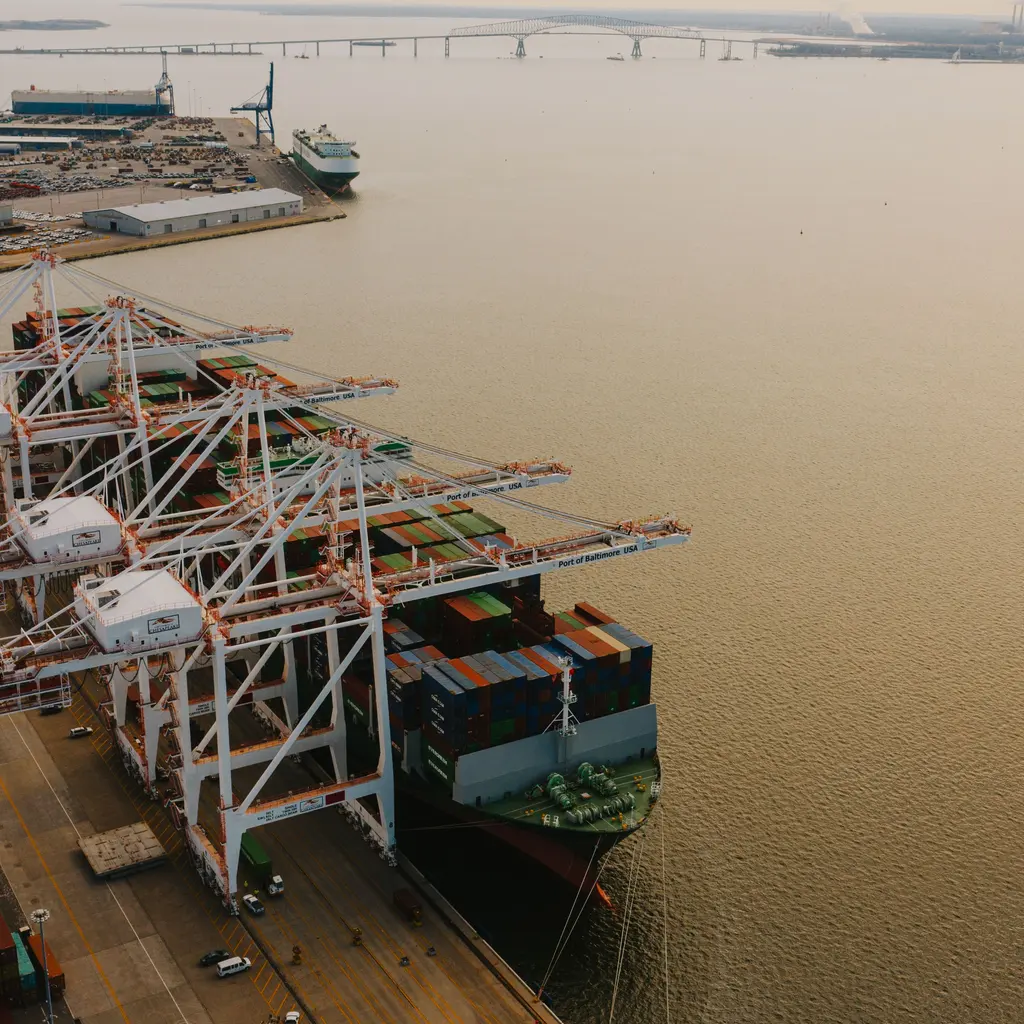
You move cargo between ships, wharves and storage, using lifting gear around people and other owners' property. A failed lift can injure a worker or damage a customer's load and the vessel, raising different responsibilities in the same operation.
The Southern Agency can review your lifting equipment and crew responsibilities to help you select appropriate insurance, such as identifying the differences between standard liability and specialized stevedore coverage for your berth-side work.
Longshore duties and work location can bring federal compensation obligations. Being near water alone does not determine coverage.
A failed sling can harm the goods and a vessel's hatch in one lift. Those interests may need separate liability provisions.
Cranes, spreaders, and forklifts face mechanical and lifting losses. Wind and tides can also suspend safe work.
Hydraulic fluid or cargo residue can enter the water. Stevedoring agreements may add obligations beyond ordinary liability.
Policies to ask about. Which ones fit depends on your operations, your contracts, and the carrier’s forms.
These hypothetical examples are not agency claim results. Whether a loss is covered depends on the facts, policy terms, and applicable exclusions.
A dockworker suffers a crush injury when a load swings during discharge. Applicable compensation may help with covered medical and wage benefits, depending on maritime duties, location and actual employment. Qualified review must distinguish LHWCA, state and any vessel-crew framework; a state certificate or waterfront address alone does not establish the right arrangement.
A customer's crated machine is dropped at the wharf, and the customer seeks repair costs. Applicable cargo-handling liability may help with a covered claim if custody, operations and insured interests fit. Compare the handling contract, fault, valuation and limits; the firm's crane insurance does not itself reimburse damage to the customer's machine.
A crane's hydraulic line ruptures and fluid enters the water, prompting a cleanup demand. Accepted environmental terms may help with covered response or cleanup under the release, substance and reporting provisions. Crane repair, contractual reimbursement and any fine need their own terms; the presence of pollution alone does not establish every payment.
Start with the work you do and the questions your current policies leave unanswered. Carrier options depend on your location, risk, and underwriting. Explore our approach.
LHWCA may apply to qualifying maritime duties and locations, including some adjoining land. Vessel crew and other exclusions need separate review.
A handling firm may face a claim, but responsibility and insurance depend on custody, fault, and contract terms.
Review vessel-damage liability expressly. Standard GL or an equipment policy may exclude the ship being worked on.
Yes. Review indemnities, insured parties, and limits alongside the maritime forms; not every contractual promise is insurable.
Waterfront releases can create cleanup claims. Confirm the substances, release conditions, and covered cleanup responsibilities.
Cargo types and values, maritime payroll, lifting equipment, contracts, and loss history help describe the risk; pricing requires underwriting.
Bring your questions, current policies, and relevant contracts. An agent can review coverage terms, exclusions, and the information carriers ask for, then explain the options available to you.