

Customer slips and falls at the counter
A small, busy space with queuing customers and stacked parcels creates trip-and-fall exposure that can lead to bodily injury claims.
Try a different word, or check the spelling.
Your counter can hold the host store's fixtures, your own equipment, and a customer's parcel at the same time. Kiosk protection should identify those owners and the space assigned to you, with stamps, cash journeys, and payment records reviewed beyond a general retail policy.
The Southern Agency can help you assess the coverage needs for your postal kiosk operations.
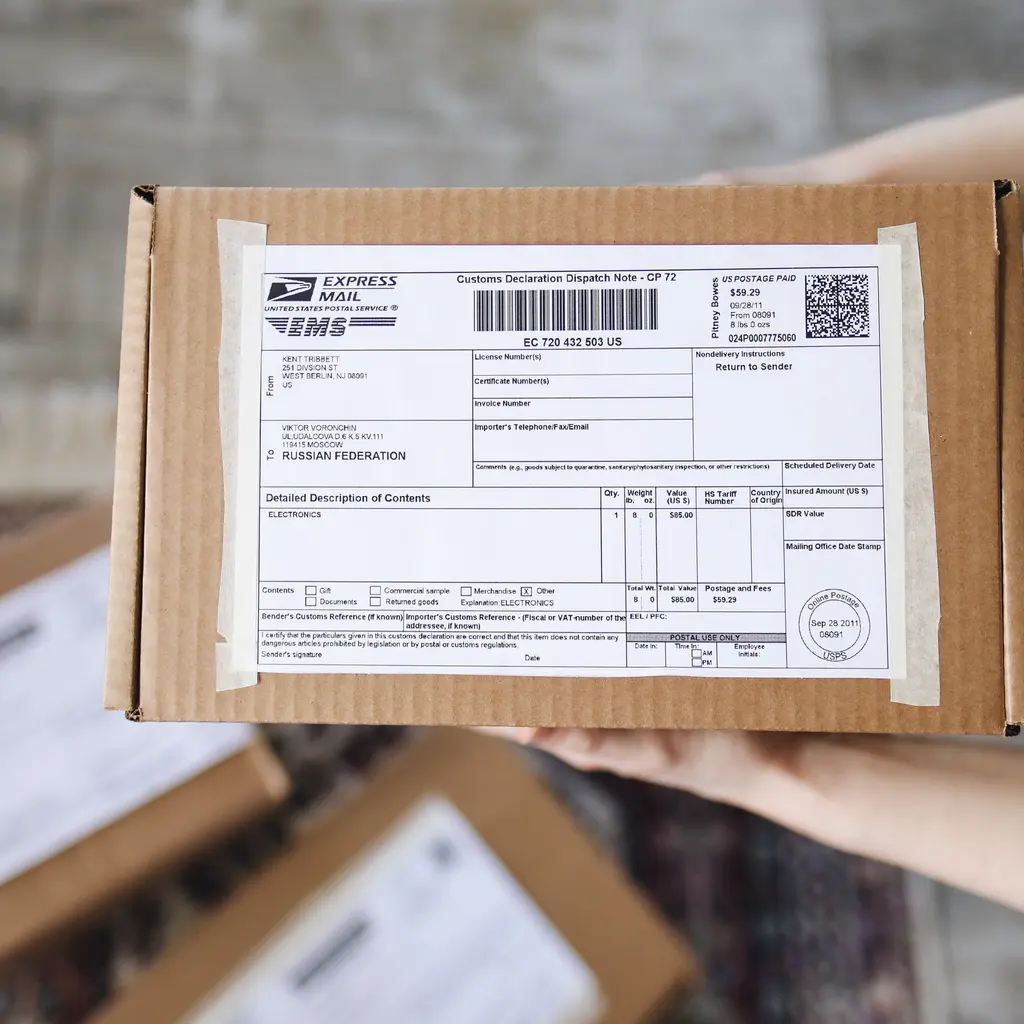
You operate a postal counter providing stamps and shipping services, often within a host retail store. Handling customer payments and packages creates exposure to theft or a potential slip-and-fall claim near your workspace.
The Southern Agency can review your kiosk operations, staffing, and host-store arrangements to help you select appropriate insurance. For example, we can help determine how your property policy covers your specific equipment versus that of the host store.
A small, busy space with queuing customers and stacked parcels creates trip-and-fall exposure that can lead to bodily injury claims.
Holding cash for stamp and shipping sales makes the kiosk a target for theft and burglary during and after hours.
Parcels accepted and held behind the counter can be crushed, lost, or mishandled before pickup, prompting customer demands.
Processing card payments at the register creates a risk of skimming or a small-scale data compromise involving customer information.
Fire, water, or vandalism can damage shelving, signage, the point-of-sale system, and packaging stock the kiosk depends on.
Lifting boxes, restocking supplies, and prolonged standing expose counter staff to strains and repetitive-motion injuries.
Policies to ask about. Which ones fit depends on your operations, your contracts, and the carrier’s forms.
These hypothetical examples are not agency claim results. Whether a loss is covered depends on the facts, policy terms, and applicable exclusions.
Hypothetical: A customer trips over parcels near the counter and is injured. General liability may cover a claim if the kiosk's location and operations are included.
Hypothetical: A break-in takes cash and stamp stock overnight. Property or crime coverage may apply to items insured at that location, under the relevant limits and terms.
Suppose a package accepted at the counter goes missing before carrier pickup and the customer requests reimbursement. Confirm when the kiosk accepted custody, who owned the package and whether specific customer-property terms cover the actual cause and period, with limits and proof requirements. Ordinary property on the kiosk's fixtures or stamp stock does not itself insure every entrusted parcel.
Start with the work you do and the questions your current policies leave unanswered. Carrier options depend on your location, risk, and underwriting. Explore our approach.
Even a small kiosk handles customer traffic, cash and parcels. A business owners policy may suit some locations, but the host agreement and actual property and customer-property terms matter.
A policy may cover stolen cash if its crime section insures the amount and location. Check the limit, conditions and whether money in transit is included.
Look for a policy grant that covers customer property in the kiosk's custody. Standard business property coverage may not insure another person's package.
The host's policy may protect its building and operation, not the kiosk's inventory, cash or liability. Compare both policies with the host agreement.
A card-system breach could expose customer information or interrupt payments. Cyber coverage may help with covered response costs; the processor's role and policy terms matter.
Workers' compensation rules depend on the state and worker's status. Provide the clerk's duties, hours, and payroll so the applicable requirements can be reviewed.
Bring your questions, current policies, and relevant contracts. An agent can review coverage terms, exclusions, and the information carriers ask for, then explain the options available to you.