

Items held overnight
A parcel may disappear before collection. A store's own-property policy may not protect the customer's goods.
Try a different word, or check the spelling.
Releasing a letter to the wrong person can create a loss beyond the value of the paper or parcel. Your receiving and forwarding protection should fit release, scanning, and custody duties, with identity records, vendor access and insured cash or stamps distinguished from mailbox fixtures.
Bring private-mailbox service terms, authorized-recipient and forwarding procedures, peak parcel values and paper or scanned ID-record practices.
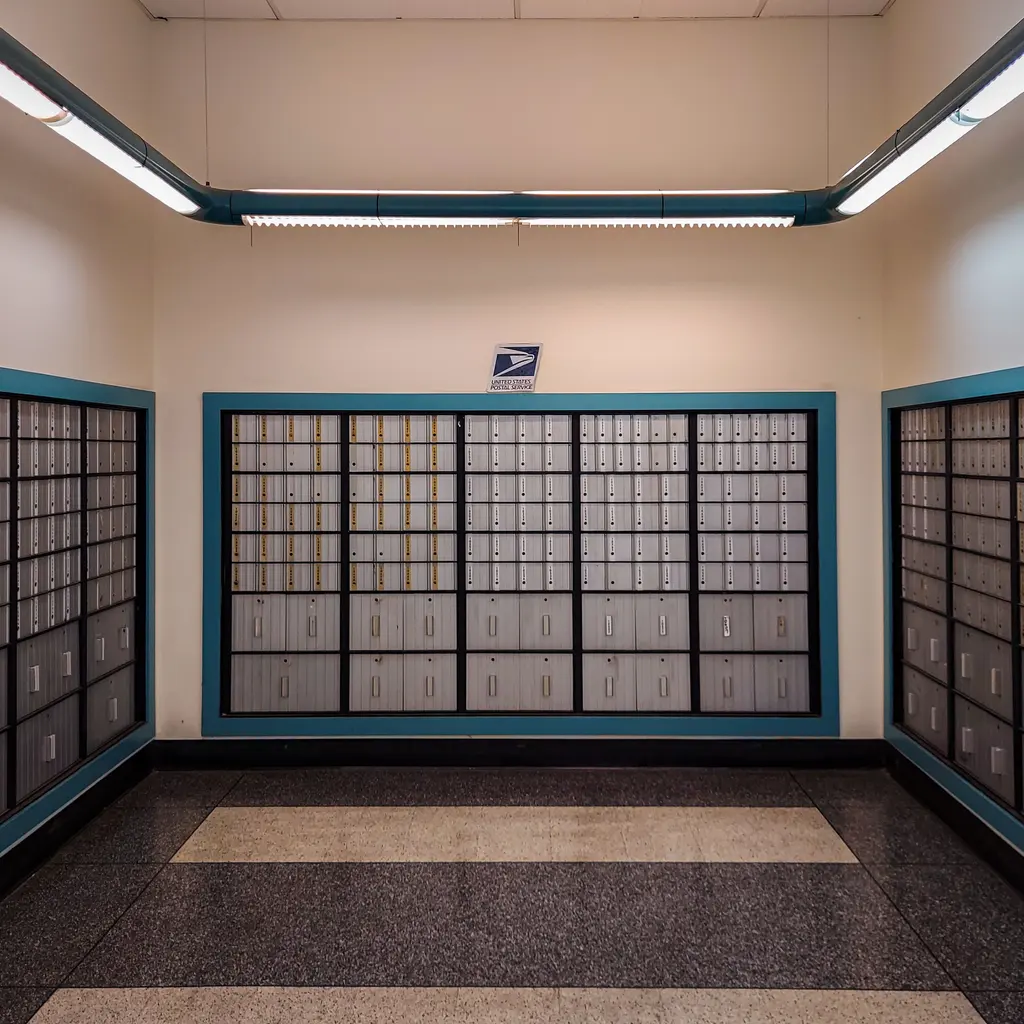
You provide secure mailbox rentals and parcel forwarding, where a misdelivered item or a breach of private records can lead to customer claims. Protecting these items requires consideration of both your retail space and your custody duties.
The Southern Agency can review your receiving and scanning protocols to help you select appropriate insurance, such as defining your custody-related liability for the items you hold for your customers.
A parcel may disappear before collection. A store's own-property policy may not protect the customer's goods.
Releasing mail to the wrong person or address can cause financial loss beyond the item's physical value.
Customer registration documents can be exposed electronically or on paper, including through virtual-mail services.
A burglary can take cash and parcels; a customer can fall near the mailbox wall or counter.
Policies to ask about. Which ones fit depends on your operations, your contracts, and the carrier’s forms.
These hypothetical examples are not agency claim results. Whether a loss is covered depends on the facts, policy terms, and applicable exclusions.
A customer could seek reimbursement for a signed-for parcel that cannot be found before collection. Actual receiving records, custody, ownership and expressly purchased customer-property terms determine possible recovery, including unexplained-loss restrictions, limits and valuation. A signature is useful evidence of receipt, not proof of insured theft or the claimed contents' value.
An intruder could access stored customer registration records, including ID scans. Accepted privacy/cyber terms may help with qualifying investigation, notification or related claims after a covered incident. Confirm the actual records and media, scanning vendor's role and notice/consent provisions; keeping paper files instead does not itself eliminate privacy exposure.
Cash and held packages are stolen. The store's property, crime, and custody forms require separate analysis.
Start with the work you do and the questions your current policies leave unanswered. Carrier options depend on your location, risk, and underwriting. Explore our approach.
The store holds other people's property and identity information. Retail property and premises liability may exclude those custody and privacy losses.
Confirm suitable custody protection, valuation, and evidence requirements; a missing item is not automatically covered theft.
Consider privacy cover for the records and media held, including scans or paper copies. Security and retention duties remain important.
Review the crime form's property definitions, ownership interests, and limits; stamps may not be treated like ordinary stock.
E&O may address covered service-error allegations if forwarding is an insured service; delay and contract exclusions still apply.
Covered premises injury allegations may fall under GL. Mail custody and forwarding claims are separate exposures.
Bring your questions, current policies, and relevant contracts. An agent can review coverage terms, exclusions, and the information carriers ask for, then explain the options available to you.