

Seasonal inventory loss
Fire, water or theft can damage merchandise bought for a selling season. The amount at risk can rise sharply before a launch, when more stock is concentrated in the warehouse.
Try a different word, or check the spelling.
Unsold sizes or a change in fashion can reduce your stock's value without damaging a garment. Apparel protection should distinguish that business loss from insured physical damage, with seasonal accumulations, wearer claims, and brand-permission disputes treated as different questions.
The Southern Agency can help you protect your fashion inventory and manage the liability risks of your distribution and showroom operations.
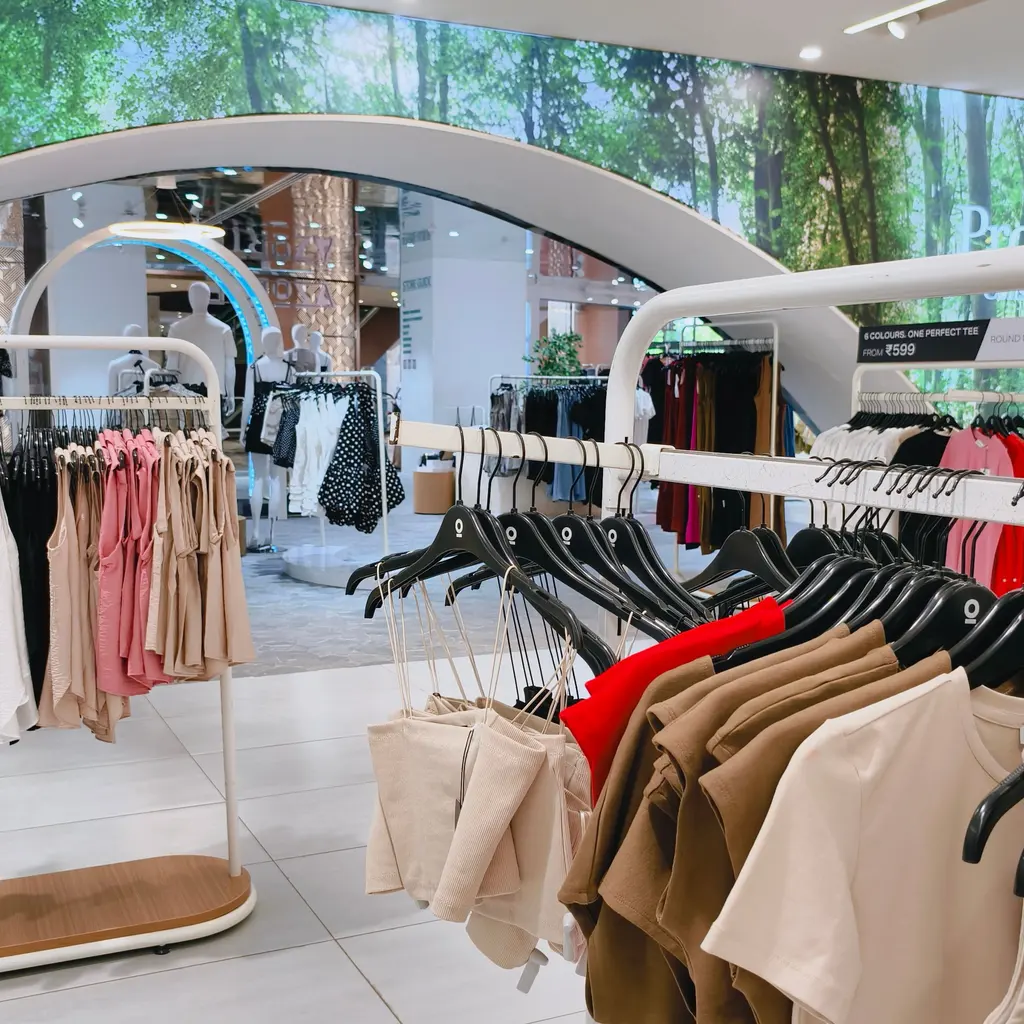
You distribute fashion accessories and apparel, balancing seasonal inventory levels and managing deliveries to various retailers. Theft in your warehouse or a product injury claim can threaten your investment and business reputation.
The Southern Agency can review your storage, showroom, and delivery operations to help you select appropriate insurance, such as stock protection for your inventory or product liability for your goods.
Fire, water or theft can damage merchandise bought for a selling season. The amount at risk can rise sharply before a launch, when more stock is concentrated in the warehouse.
Garments and accessories such as belts, bags and scarves can prompt injury claims involving burns, skin reactions, or detached parts. Intended age and use affect the safety rules that apply. Recall or regulatory action is different from a claim for a wearer's injury.
A container can be soaked at sea, or cartons can be crushed or stolen on an inland journey. Goods move through several carriers and storage points, each with its own responsibility for loss.
Cartons and samples can be stolen from a warehouse or delivery. Burglary, employee theft and an unexplained inventory shortage involve different evidence and insurance terms.
A dispute over authenticity or brand permission can lead to legal costs, seized stock, or buyer demands. Bodily-injury products coverage is not blanket protection for those allegations.
Unsold sizes and changing trends can reduce the value of undamaged stock. That business loss differs from merchandise damaged by a covered accident, and the valuation used for a claim may differ from the intended ticket price.
Ordering systems and providers may hold buyer and payment records. A data incident can create investigation and privacy costs, while an order error or missing payment raises a different insurance question.
Policies to ask about. Which ones fit depends on your operations, your contracts, and the carrier’s forms.
Ready to compare options?
Get a quote for Clothing and Apparel Accessories Distributor Or call 1-800-777-1TSAThese hypothetical examples are not agency claim results. Whether a loss is covered depends on the facts, policy terms, and applicable exclusions.
Water damages imported garments during the sea voyage. Ocean cargo insurance may help pay the covered goods loss under its valuation terms. The sea leg must be covered; an inland policy or the carrier's responsibility alone is not enough. Customs detention and a missed selling season are separate from the physical damage.
A decorative accessory sheds a part and injures a child. Products coverage may help defend the claim and pay covered injury damages. The item's safety category still needs review; a clothing trim is not automatically subject to a toy rule. Replacements, refunds, withdrawal, and penalties are separate from the injury claim.
Thieves take cartons of branded apparel before the holiday rush. Property-theft protection may help reimburse the covered stock loss, subject to valuation and security conditions. Employee-dishonesty cover, if relevant and purchased, has different proof requirements. A stock-count shortage alone does not show how the goods disappeared; the payment also depends on the policy's valuation, which may differ from the intended retail price.
Start with the work you do and the questions your current policies leave unanswered. Carrier options depend on your location, risk, and underwriting. Explore our approach.
Use peak values and stock records when choosing valuation, limits, and any reporting or seasonal provisions. Ordinary markdowns on undamaged goods differ from fire, water, or theft loss. A covered claim is valued under the policy, not automatically at the intended retail price.
A distributor can be named when a garment or accessory allegedly injures someone. Products coverage may help with covered defense and damages. Safety exemptions do not eliminate injury hazards, and your replacement costs, refunds, recall, and fines need separate review.
Cargo protection can help with covered goods loss, but the ocean, port, and inland stages must be addressed. Check the insured interest, valuation and carrier handoffs. Carrier liability, customs detention, and a missed selling season are separate questions.
Keep sourcing, authenticity and brand-permission records and seek qualified legal advice on the allegation. GL advertising provisions contain IP exclusions and narrow exceptions; they are not blanket counterfeit or trademark protection. Seized stock and relabeling costs also need their own review.
Ordering systems and providers can hold buyer and payment records. Cyber insurance may help with eligible incident response and privacy or security claims, subject to reporting, and consent provisions. Order mistakes, missing funds, and platform outages require their own cause and coverage review.
Peak stock, domestic and imported shares, routes and cargo values, brand sourcing, showroom and delivery work, online activity and claims all inform pricing. The insurer assesses them with the protection requested. Safety and sourcing controls do not guarantee a price reduction.
Bring your questions, current policies, and relevant contracts. An agent can review coverage terms, exclusions, and the information carriers ask for, then explain the options available to you.