

Handling and rigging heavy units
A unit can slip from a forklift or lifting sling while it is being stored, loaded, or placed. Along with the cost of the machine, the business can face an injury claim from someone nearby.
Try a different word, or check the spelling.
If you connect or start a unit for the buyer, the job has moved beyond delivery. Equipment insurance needs the actual setup and demonstration work, with transit damage, resulting injury, and a request to improve performance treated differently.
The Southern Agency can help you protect your wholesale business, from warehouse inventory to equipment installations at customer sites.
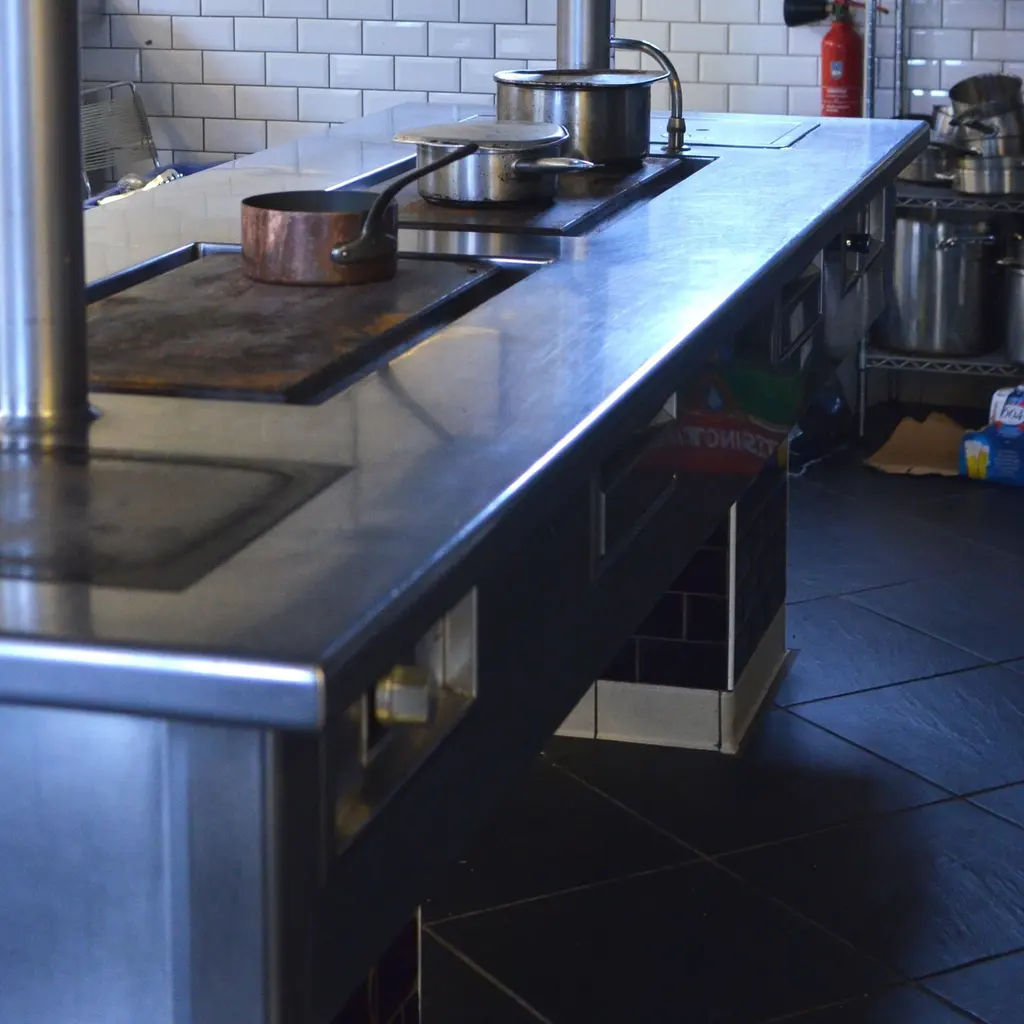
You distribute commercial equipment like restaurant ranges, often handling the delivery, on-site placement, or demonstration for your buyers. If a heavy unit is dropped during installation or malfunctions later, you may face equipment damage or liability claims.
The Southern Agency can review your delivery and setup processes to help you select appropriate insurance. For instance, we can discuss how inland marine coverage protects your equipment during transport versus how product liability addresses claims regarding the items you supplied.
A unit can slip from a forklift or lifting sling while it is being stored, loaded, or placed. Along with the cost of the machine, the business can face an injury claim from someone nearby.
A warehouse fire or theft can remove several expensive units at once. Peak values, trade-ins and equipment held for others affect how much stock needs protection and whose loss it is.
Placing a large unit can damage a floor or loading dock as well as the unit itself. Connecting or starting equipment adds work beyond delivery, with responsibility depending on what the wholesaler and its subcontractors perform.
A malfunctioning unit can cause a fire, injure a user, or damage the buyer's premises. Those claims differ from a request to repair or replace a machine that simply fails to meet its promised performance.
Equipment can be damaged or stolen on the journey to a buyer. A claim may involve the wholesaler's stock, a carrier's responsibility, or goods already owned by the customer, depending on the sale and shipping terms.
Credit applications, customer accounts, and financing records can be exposed in a breach. Fraudulent payment instructions and a buyer's failure to pay are different losses from the cost of responding to stolen personal information.
Policies to ask about. Which ones fit depends on your operations, your contracts, and the carrier’s forms.
These hypothetical examples are not agency claim results. Whether a loss is covered depends on the facts, policy terms, and applicable exclusions.
A commercial refrigeration unit slips during rigging at a customer dock, damaging the loading area and the unit. Liability insurance may help with the covered dock-damage claim, while insurance for the goods may help repair or replace the unit if rigging is covered. The lifting method, vehicle involvement and exclusions for property in the wholesaler's care can affect the outcome.
A buyer alleges a commercial range supplied by the wholesaler malfunctioned and started a kitchen fire. Product liability insurance may help defend the wholesaler and pay covered damages to the kitchen. The cost of replacing the faulty range and recalling other units is a separate issue.
A warehouse employee is injured while maneuvering a heavy unit with a forklift. Workers' compensation may help with medical treatment and wage benefits for the qualifying work injury.
Start with the work you do and the questions your current policies leave unanswered. Carrier options depend on your location, risk, and underwriting. Explore our approach.
A serious delivery accident or product injury can exceed a primary liability limit, so additional limits can be worth comparing. There is no single correct amount for all commercial equipment wholesalers. Check contracts, the work performed, and which underlying policies an umbrella follows; it does not automatically add cargo or pollution protection.
Off-site protection must match how the unit is used and who bears the loss. Transit or installation insurance may help while equipment is delivered and staged; demonstration units can need a different arrangement. Ask how the coverage handles the customer location, time on site, and rigging or startup work.
Resellers can be named alongside manufacturers when equipment is alleged to have caused injury or property damage. Product liability may help with defense and covered damages. The manufacturer's warranty or insurance should not be assumed to protect the wholesaler against every such claim.
A claim for a damaged loading dock or floor may involve general liability or auto coverage, depending on the vehicle, lifting method, and work performed. Exclusions for property in your care or the part being worked on can matter. Damage to the unit being delivered needs separate consideration under the insurance for the goods.
Workers' compensation may provide benefits for qualifying employee injuries from lifting, forklift work, or rigging. Confirm the state requirements and describe both warehouse and field duties. For a contracted crew, ask who is responsible for workers' compensation under the applicable state rules.
Yes. Credit applications and account records can contain personal information whose exposure creates response costs or liability claims. Cyber insurance may help with covered response and claims, subject to its reporting and provider rules. Payment diversion, employee theft and customer credit default are different problems and should not be treated as one cyber benefit.
Bring your questions, current policies, and relevant contracts. An agent can review coverage terms, exclusions, and the information carriers ask for, then explain the options available to you.