

Refrigerant escapes
Gas properties affect fire, inhalation, and environmental consequences; refrigerants are not all alike.
Try a different word, or check the spelling.
A compressor failure can put your customer's food stock at risk. Review the claims you could face as the supplier, including any sizing advice you give.
Talk with The Southern Agency about your operation, policy terms, and the information carriers need.
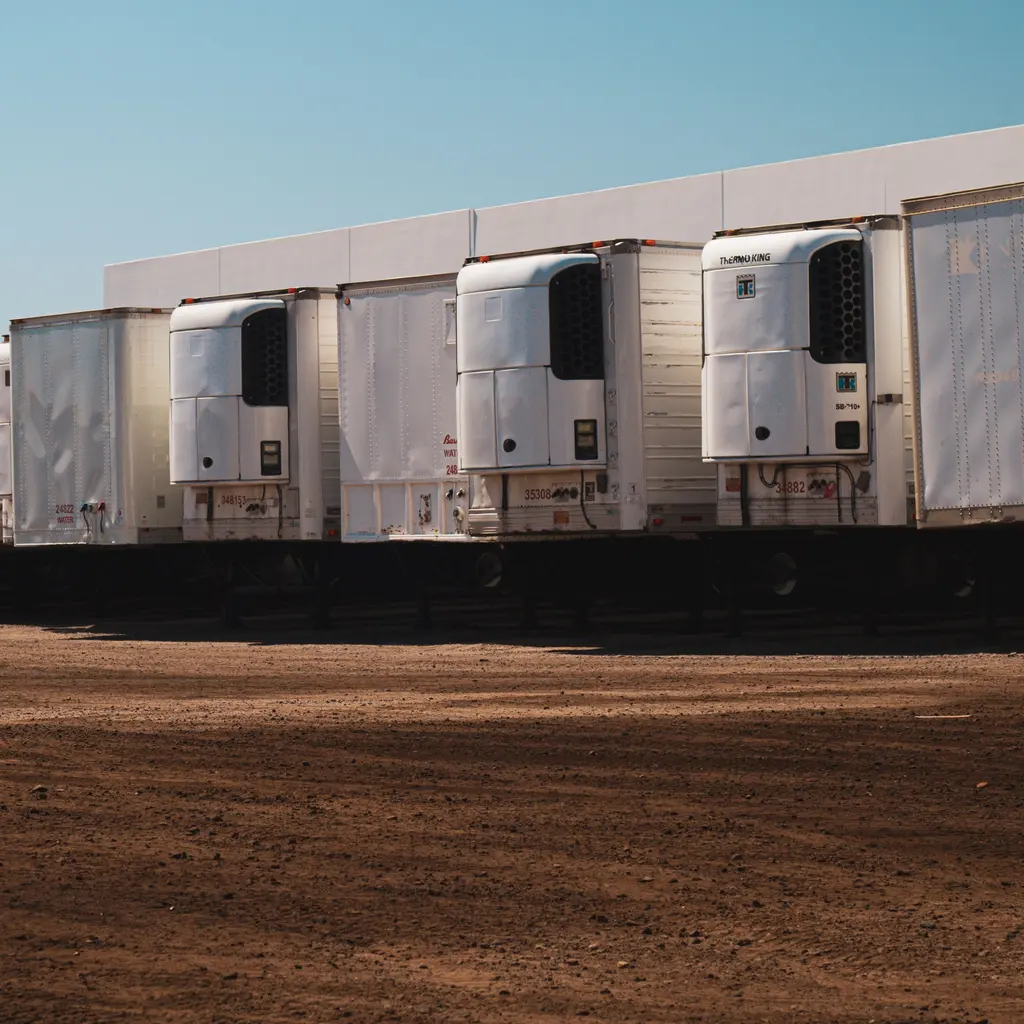
You supply compressors, refrigerants and components, often providing technical advice alongside job-site deliveries. A failed component can leave you facing a claim for a customer's spoiled stock; a leaking cylinder raises a separate question about the gas and where it escaped.
The Southern Agency can review your wholesale operations, from warehouse storage to delivery, to help you select appropriate insurance. We can discuss how to address product liability for compressors, refrigerant release coverage and professional liability for your technical guidance.
Gas properties affect fire, inhalation, and environmental consequences; refrigerants are not all alike.
A supplied compressor or control can be blamed for equipment or food-stock damage.
Sizing or compatibility recommendations can lead to professional or performance disputes.
Heavy units, contractor pickups, high values and customer account systems create employee, premises, and data risks.
Policies to ask about. Which ones fit depends on your operations, your contracts, and the carrier’s forms.
Ready to compare options?
Get a quote for Refrigeration Equipment and Supplies Wholesaler Or call 1-800-777-1TSAThese hypothetical examples are not agency claim results. Whether a loss is covered depends on the facts, policy terms, and applicable exclusions.
A refrigerant cylinder leaks in your warehouse and the area must be evacuated. The gas involved and any injury, physical damage or cleanup determine which liability, property or environmental terms matter.
A customer alleges a compressor you supplied failed and spoiled refrigerated food. Review product liability for resulting damage separately from replacement of the compressor, sizing advice and any pollution exclusion.
A condensing unit slips during unloading and damages a customer's loading area. Damage to the unit and damage to the premises are different interests; the unloading method affects the auto, liability and cargo review.
Start with the work you do and the questions your current policies leave unanswered. Carrier options depend on your location, risk, and underwriting. Explore our approach.
Suppliers can face defect allegations; covered resulting harm differs from repair or refund obligations.
Potentially, depending on gas and release. Review actual substance and environmental wording.
Driving, unloading, and lifting need coordinated forms; the carried unit is not automatically auto cargo.
Property covers accepted causes and stock interests; defects and wear are not universally covered.
Account and payment systems create privacy and interruption risks; fraud is not automatic under cyber.
Cause matters. Stock damage, defective equipment, and ordinary repair expense have different policy treatment.
Bring your questions, current policies, and relevant contracts. An agent can review coverage terms, exclusions, and the information carriers ask for, then explain the options available to you.