

Products reaching several retailers
An alleged defect or inadequate warning can lead to injury claims naming the wholesaler. Products may be spread across many stores, making supplier and shipment records useful when identifying affected lots.
Try a different word, or check the spelling.
One toy lot can reach dozens of retail shelves. Plan for the cost of tracing and retrieving it as well as the claims a faulty product could bring.
Talk with The Southern Agency about your operation, policy terms, and the information carriers need.
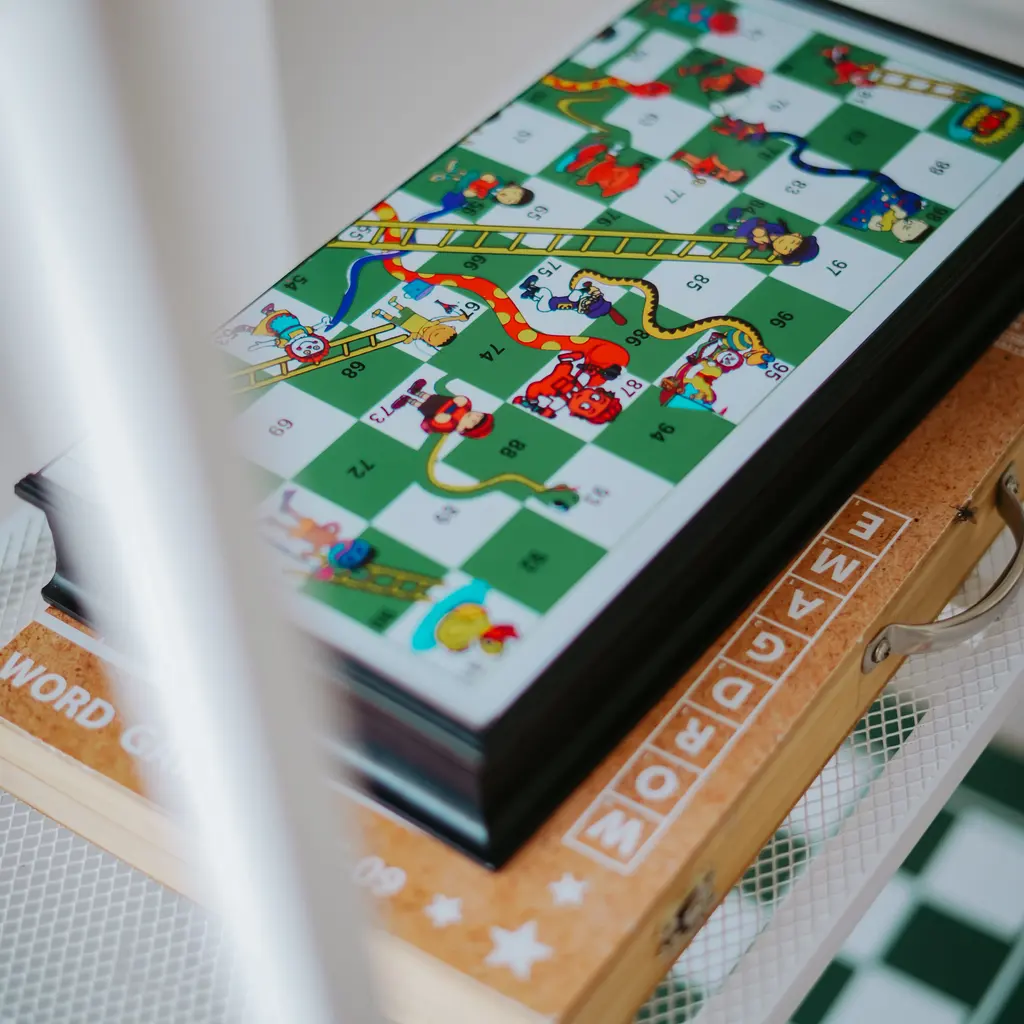
You supply retailers with games, toys, and craft materials, which involves receiving and storing large shipments. A warehouse fire or a product recall can impact your entire supply chain and your retail accounts.
The Southern Agency can help you review your storage, shipping, and distribution process to help you select appropriate insurance. For example, we can explain the difference between product liability for a faulty toy and coverage for your damaged inventory.
An alleged defect or inadequate warning can lead to injury claims naming the wholesaler. Products may be spread across many stores, making supplier and shipment records useful when identifying affected lots.
Contacting retailers, retrieving stock, and arranging disposal can generate costs without a bodily-injury claim. Recall expenses need explicit coverage rather than an assumption that product liability includes them.
A pre-holiday warehouse may hold more stock than the annual average. Fire or covered water damage can affect both inventory and the ability to fill orders during the sales period.
Containers and truckloads can be damaged or stolen between suppliers and buyers. Staff face loading and forklift hazards, while licensed or branded goods can bring separate authenticity and intellectual-property disputes.
B2B portals can hold contact, ordering, and payment information. A system incident may interrupt order-taking as well as expose data.
Policies to ask about. Which ones fit depends on your operations, your contracts, and the carrier’s forms.
Ready to compare options?
Get a quote for Toy and Hobby Goods and Supplies Wholesaler Or call 1-800-777-1TSAThese hypothetical examples are not agency claim results. Whether a loss is covered depends on the facts, policy terms, and applicable exclusions.
A toy line is found to shed a small part and is withdrawn from retailers. Specific recall coverage may help with eligible notification, retrieval, or disposal costs if its trigger is met. Product liability may address a separate covered injury claim, not automatically the recall bill.
A fire damages stock accumulated for retailer holiday orders. Property insurance may help replace covered inventory, and included business-income coverage may address a qualifying earnings loss. Limits must reflect the stock on hand; buyer penalties and every lost future sale are not automatically covered.
A load of hobby electronics is stolen on its way to retail buyers. Cargo or inland transit insurance may pay a covered shipment loss. Ownership, route, carrier, and theft conditions matter; the delivery truck's auto policy does not itself insure the goods.
Start with the work you do and the questions your current policies leave unanswered. Carrier options depend on your location, risk, and underwriting. Explore our approach.
An injured person's claim can name businesses in the supply chain. The wholesaler's liability and coverage depend on the allegations, products, and policy, even if another business manufactured the item.
No. The event, products and expenses must meet the purchased recall terms. Poor demand and ordinary retailer returns are different from an insured recall.
Use the maximum expected values and discuss reporting or peak-season provisions before stock arrives. Check port and temporary storage limits as well as the main warehouse.
Only if the relevant policy or coordinated policies cover the intended ocean, storage, and inland stages. Compare the coverage dates with the purchase and delivery terms.
The wholesaler's buying question centers on bulk shipments, warehouse values, and responsibilities to retail accounts. A toy store adds family-facing displays, play areas, and events. A business with both activities needs both disclosed.
No. Supplier checks and licensing agreements help establish sourcing, but insurance for an infringement or counterfeit allegation needs specific review of exclusions and available terms.
Bring your questions, current policies, and relevant contracts. An agent can review coverage terms, exclusions, and the information carriers ask for, then explain the options available to you.