

Mixed stock is damaged
Fire or water can affect many durable product lines at one location.
Try a different word, or check the spelling.
Your catalog says more about your insurance needs than the label 'miscellaneous.' Make sure each product line belongs in the coverage you rely on.
Talk with The Southern Agency about your operation, policy terms, and the information carriers need.
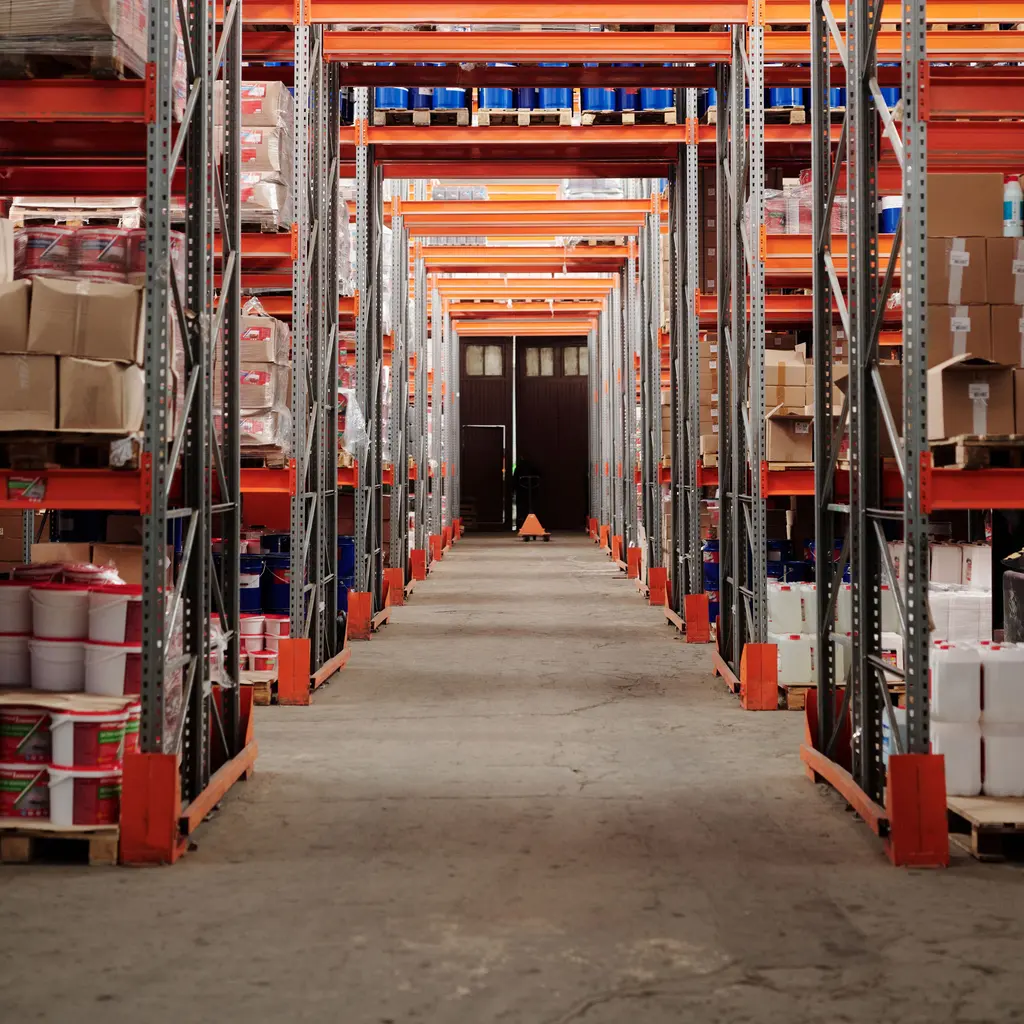
You manage the storage and distribution of long-lasting goods for your customers. Adding a new product line can shift your warehouse stock values, change your inventory handling requirements and introduce new risks of product-related claims.
The Southern Agency can review your active product categories and warehouse setup to help select insurance tailored to your business model. For example, we can help assess whether your current property policy identifies your specific goods and their peak seasonal values.
Fire or water can affect many durable product lines at one location.
A wholesaler can face allegations despite not manufacturing the product.
Owned trucks and outside carriers create different handoff and recovery issues.
Racks, forklifts, and loading expose employees and visiting buyers; unexplained shrinkage also needs investigation.
Policies to ask about. Which ones fit depends on your operations, your contracts, and the carrier’s forms.
Ready to compare options?
Get a quote for Miscellaneous Durable Goods Wholesaler Or call 1-800-777-1TSAThese hypothetical examples are not agency claim results. Whether a loss is covered depends on the facts, policy terms, and applicable exclusions.
A warehouse fire damages several product lines at once. Review whether the stock description, valuation and location limit reflect the full catalog and its peak value.
A buyer alleges an item you distributed caused an injury and names you alongside its manufacturer. Product liability depends on the insured goods and allegations; supplier insurance does not establish your own protection.
An outside carrier damages goods on their way to a customer. Your transit coverage and responsibility for the shipment need review because the carrier's liability may be limited.
Start with the work you do and the questions your current policies leave unanswered. Carrier options depend on your location, risk, and underwriting. Explore our approach.
A distributor can face product allegations; scope and exclusions determine the response.
Match transit terms to ownership, mode, and cause, including carriers rather than only company trucks.
Review the actual limits and endorsements requested; certificates do not create coverage.
Use peak values and assess reporting/seasonal options where available.
Declare actual warehouse and driving duties for employee protection under applicable rules.
Products, values, imports, services, storage, shipping, payroll, and losses inform underwriting; there is no uniform miscellaneous-goods rate.
Bring your questions, current policies, and relevant contracts. An agent can review coverage terms, exclusions, and the information carriers ask for, then explain the options available to you.