Skip to content

Tobacco Farm Insurance

During curing, your barn holds leaf at different stages and values. Choosing insurance limits means considering that leaf separately from the building, burners, and fans.

The Southern Agency can help you review your tobacco production risks from harvest through buyer acceptance.

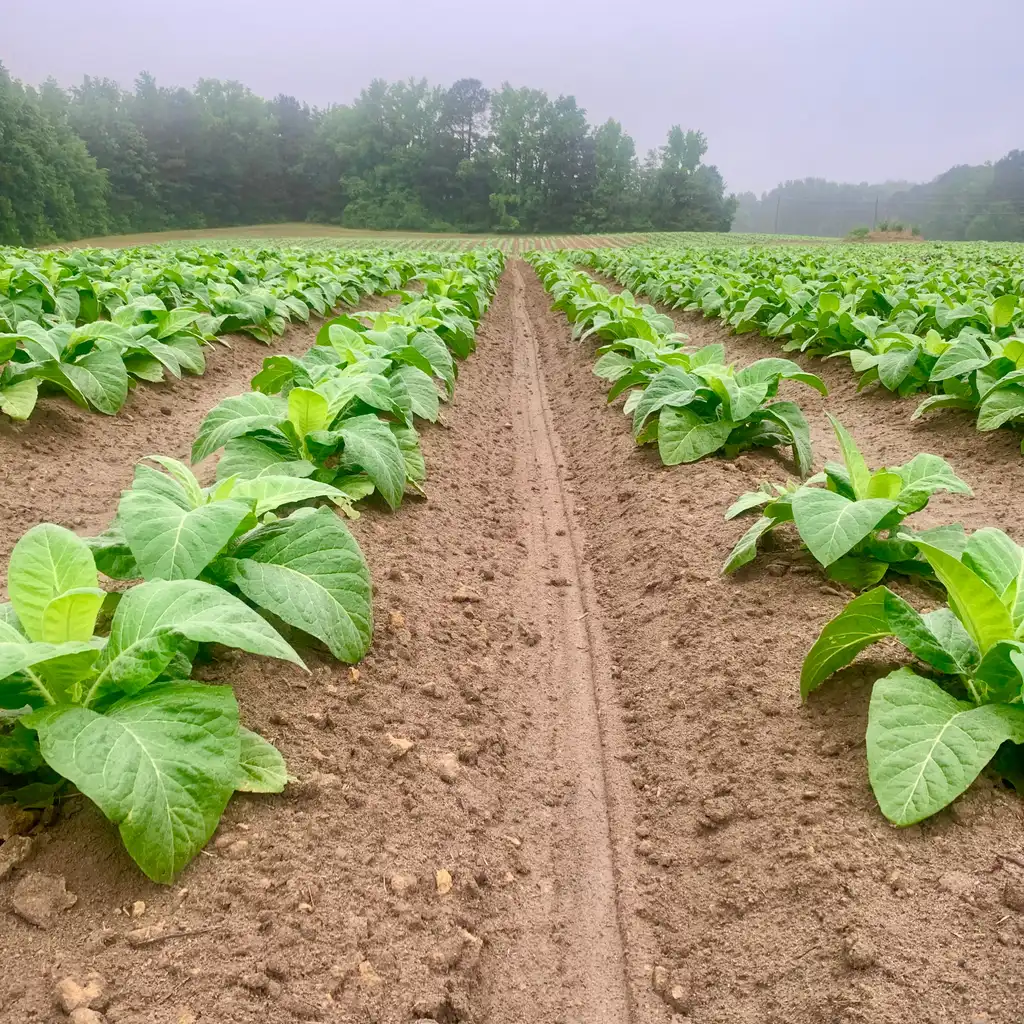
Young tobacco plants grow in cultivated rows across a field.

Industry overview

Your tobacco farm involves delicate curing processes and seasonal labor cycles, from planting through baling. A barn fire or an equipment breakdown during peak curing can lead to significant inventory loss and production delays.

The Southern Agency can review your specific curing equipment, storage methods, and workforce to help you choose insurance. For example, we can examine how your coverage handles a fan failure during the curing season versus the liability associated with seasonal haulers on your property.

Risks worth discussing

Fire in curing or storage buildings

Where curing involves heat or fuel, fire can affect the barn, equipment, and leaf in different stages. The curing method, property interests, peak values and fire terms need review rather than one combined barn limit.

Stored cured-leaf condition and loss

Graded or baled leaf awaiting sale can face fire or condition concerns involving moisture, mold or pests. Identify when and why the damage developed; rejection or a lower grade alone does not prove an insured stock loss.

Worker illness and injury

Planting and harvest workers can face green tobacco sickness, a form of nicotine poisoning, as well as heat illness. Harvest, handling, and barn machinery add injury questions. Qualified health and safety planning is separate from deciding employers, applicable duties, and insurance benefits.

Chemical and fuel exposure

Pesticides, sucker-control agents, and curing fuel create potential pollution and contamination concerns depending on storage and application.

Weather and field crop damage

Hail, wind, and storms can shred leaf and flatten standing tobacco, reducing both quality and marketable yield.

Curing-system or harvest-equipment failure

A burner, fan, control or harvester failure can interrupt work. Machine repair, leaf deterioration, substitute curing or harvesting, and missed buyer commitments depend on different causes and terms.

Coverage worth discussing

Policies to ask about. Which ones fit depends on your operations, your contracts, and the carrier’s forms.

Situations to think through

These hypothetical examples are not agency claim results. Whether a loss is covered depends on the facts, policy terms, and applicable exclusions.

  1. Hypothetical: Fire during a heated cure

    Hypothetical: a burner malfunction starts a barn fire. Applicable property terms may address included structures, equipment, and leaf, subject to the declared activity, owner, location, cause, values, and conditions. A barn limit does not establish all leaf in process, borrowed equipment, replacement curing, or the remaining season's income.

  2. Hypothetical: Harvest worker suffers heat illness

    Hypothetical: a worker suffers heat illness during priming. Applicable workers compensation may provide benefits for an insured work illness under the relevant law and employment facts. Establish the employer and provider responsibilities; neither a seasonal crew label nor general liability settles those benefits.

  3. Hypothetical: Fan failure interrupts curing

    Hypothetical: a fan and control fail during a cure and leaf deteriorates. Applicable breakdown terms must include the equipment and cause. The leaf's eligibility, prior condition, resulting-loss terms and valuation need review separately from repair, utility loss, alternate curing, lost income, and buyer deductions.

Before you talk to an agent

What to have ready

Tick items as you gather them. Nothing here is saved or sent.

Questions to raise

  • Follow standing plants, harvested leaf, curing, graded or baled stock, outside storage and buyer acceptance by owner and location. Establish the crop and harvested-stock periods and valuation rather than assume harvest or a barn limit answers every stage.
  • Record each curing method, barn construction and use, heat or fuel source where present, equipment owner, peak leaf value and protection or maintenance information. Compare fire damage, internal failure, wear, and utility loss; a standard spoilage provision must be checked for the actual leaf and process.
  • Compare repair and alternative curing capacity with income and extra-expense triggers, waiting periods, recovery periods, and limits. A missed cure, downgraded lot, poor field crop or unfilled buyer commitment does not by itself establish an entire season's insured income loss.
  • Review available lot, condition, curing, grading, acceptance, and failure records to establish what happened and when. A quality concern may predate a machine failure, and a buyer's commercial grade is not the same determination as insured physical loss.
  • Describe employers, tasks, work states, and crew transport, including green tobacco sickness, heat, and machinery hazards for qualified health and safety review. Compare chemical storage, application, and curing-fuel responsibilities with the actual providers and policies; insurance does not replace safe methods or establish authority.

Contract terms to check

  • Read buyer terms for tobacco type, quantity, grading, acceptance, delivery, ownership, and rejection or replacement. A price deduction, lost contract or promised quality result does not automatically match insured stock damage or business income.
  • Allocate barn and curing-equipment ownership, operation, maintenance, leaf custody and responsibility for a failed or delayed cure with any outside provider. Compare direct leaf protection with the provider's service or custody liability; a certificate alone does not insure the grower's goods.
  • Review warehouse and hauling terms for receipt condition, lot identification, value, storage and transit, release and loss responsibility. Compare private valuation or delivery promises with the actual stock, cargo, and vehicle terms.
  • Clarify labor and application-provider responsibilities alongside actual employers, tasks, chemical work, and curing fuel. Compare land and equipment lease or finance requests, indemnity, and requested insured interests with relevant endorsements. Private conditions and applicable worker, road, crop, and chemical duties are separate questions.

What the agent conversation looks like

Start with the work you do and the questions your current policies leave unanswered. Carrier options depend on your location, risk, and underwriting. Explore our approach.

  1. ListenReview your operations, current coverage, and past claims.
  2. AssessIdentify potential hazards and discuss ways to reduce risk.
  3. BuildDiscuss policy and carrier options, premium costs, and audits.
  4. SupportReview changes and help you plan ahead as your needs develop.

Questions owners ask

Does a barn schedule establish protection for all my leaf?

Identify leaf in process, baled stock, owners, locations, peak values, and valuation alongside the building and equipment. Declared curing activity, fire and other causes, condition and policy terms matter. Outside storage or a buyer's grade deduction does not automatically follow the barn limit.

Is a fan failure the same claim as a curing fire?

Compare eligible internal failure with fire or other external damage and wear. Repair, affected leaf, utilities, temporary curing, and income need their own terms. A machine payment does not establish payment for every spoiled lot or remaining-season loss.

What does green tobacco sickness mean for worker review?

It is a form of nicotine poisoning associated with tobacco work, and heat illness is also a concern. Obtain qualified health and safety advice and describe actual planting, harvest and barn duties, employers, and work states. A hazard's name does not decide every benefit, duty, or employment classification.

Does a lower buyer grade establish an insured leaf loss?

Review the lot's condition and cause, curing or storage history, ownership, and actual valuation terms. Commercial grading, physical damage, ordinary deterioration, and promised quality are different questions; rejection alone does not establish an insured loss.

Does coverage follow leaf to an outside curer or warehouse?

Confirm the goods, interest, stage, location, custody, and transport expressly. Compare the grower's direct property with the provider's duties and legal-liability terms. A contract or certificate alone does not establish either every leaf loss or every service obligation.

Does property or machinery insurance include the standing crop?

Do not infer field protection from a barn, harvester, or harvested-stock limit. Ask for the tobacco type, location, practice, causes and coverage period to be reviewed under actual proposed crop terms. No current program eligibility or yield payment follows from the farm label.

Talk through your tobacco farm coverage

Bring your questions, current policies, and relevant contracts. An agent can review coverage terms, exclusions, and the information carriers ask for, then explain the options available to you.

How can we help you get started?

Choose the quote that fits, and we’ll take it from there.

Have a question? Contact us