

Refrigeration and cold-storage failure
A breakdown or power loss in cold or controlled-atmosphere storage can spoil large volumes of perishable product before it reaches market.
Try a different word, or check the spelling.
Growers may hand you a crop they still own, expecting it to leave in saleable condition. Your insurance needs to distinguish their goods from your facility and the processing work you perform.
The Southern Agency can help you align your property and liability insurance with your specific processing services and custody responsibilities.
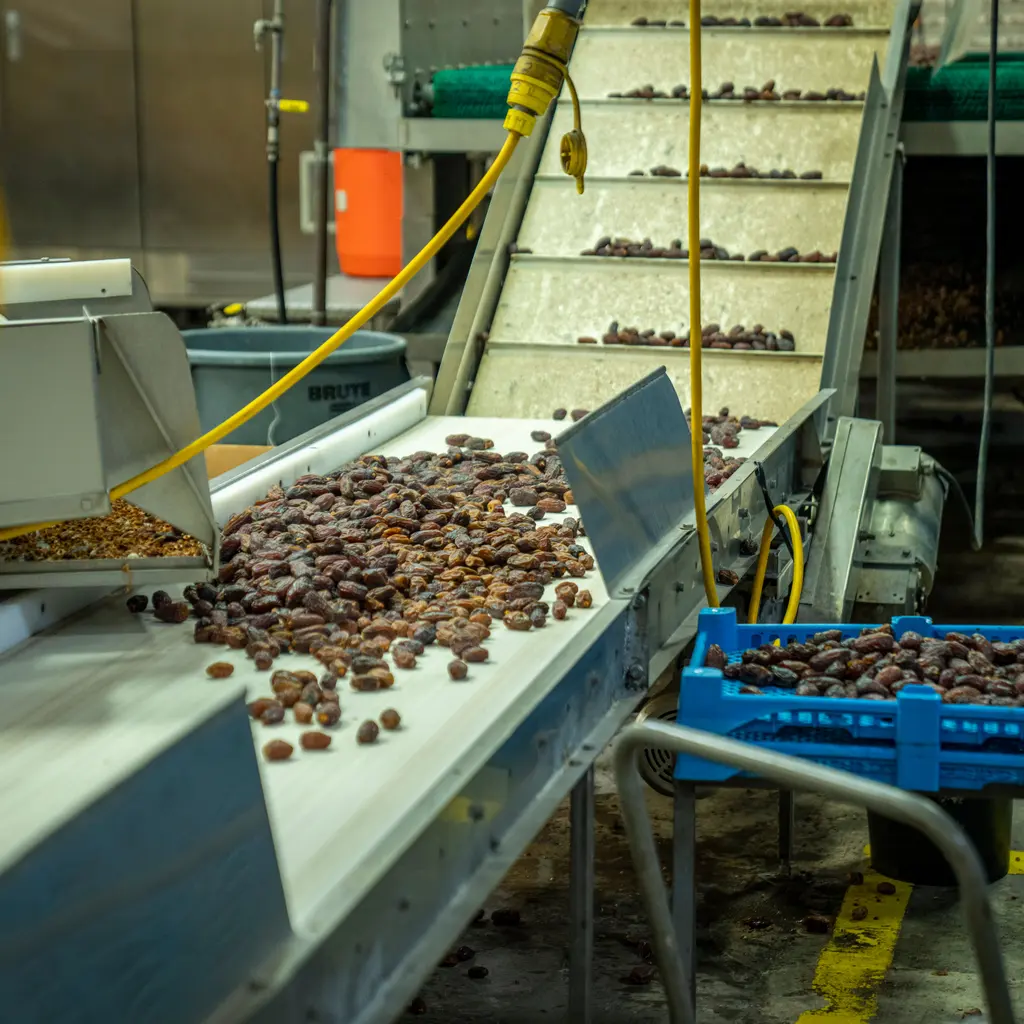
You clean, grade, pack or store crops between harvest and the next buyer. A stoppage during a short intake season can leave produce deteriorating, while grain or nut drying may bring different heat and dust hazards.
The Southern Agency can review your processing stages and storage responsibilities to help you select appropriate insurance. For example, we can discuss how coverage for a refrigeration system's breakdown differs from the separate protection required for customer-owned goods stored in your care.
A breakdown or power loss in cold or controlled-atmosphere storage can spoil large volumes of perishable product before it reaches market.
Grain, nut or seed handling/drying can involve dust, heat, and ignition sources. Fire/explosion exposure depends on actual material, process and site conditions.
Foreign objects, pathogens, or mislabeling in processed crops can lead to recall, product liability claims, and loss of buyer relationships.
Conveyors, graders, hullers, and packing lines are critical at harvest, and an unexpected failure can halt throughput and back up perishable inventory.
Grower, cooperative or buyer goods can create custody, legal-liability, and contract exposure. Actual owners, services, duties, and loss facts determine responsibility; custody alone does not settle every loss.
Moving belts, augers, lifting, and forklift traffic expose packing and sorting crews to crush, entanglement, and strain injuries.
Wash/post-harvest treatments and fumigation, where used, can create release, residue, and handling exposure. Review actual chemicals, operators, commodities, and affected interests.
Policies to ask about. Which ones fit depends on your operations, your contracts, and the carrier’s forms.
These hypothetical examples are not agency claim results. Whether a loss is covered depends on the facts, policy terms, and applicable exclusions.
Hypothetical: a compressor fails and produce deteriorates. Applicable breakdown terms may address eligible machine damage and selected resulting stock loss. Confirm actual owners, covered cause, utility/wear and spoilage limits; customer legal liability, emergency transfer, contamination and lost throughput/income are separate questions.
Hypothetical: foreign material is found in a packed lot and a buyer withdraws it. Product liability may address covered third-party injury/property claims if they arise. Testing, tracing, withdrawal/recall, disposal, replacement, and supply commitments need separate terms; withdrawal alone does not establish covered injury or every first-party cost.
Hypothetical: a forklift strikes a worker during intake. Workers compensation may address covered benefits under actual employer, worker, jurisdiction, and policy terms. Agency/provider arrangements need review; benefits do not establish the handling or liability response for damaged grower goods.
Start with the work you do and the questions your current policies leave unanswered. Carrier options depend on your location, risk, and underwriting. Explore our approach.
List actual food/fiber commodities and cleaning, grading, drying, ginning, hulling, packing, holding, and transport roles. Accepted work, owners, custody, sites, values, and causes determine what must be compared; a farm, warehouse or processor label does not establish the scope.
Check machine eligibility/cause, wear, utility interruption, actual stock owners/condition, spoilage/contamination limits, and income/extra-expense terms. Customer legal liability and direct insured property have different bases; repair does not establish both.
No blanket answer follows from custody alone. Review actual duties, care/loss facts, processing/storage agreements, valuation, and applicable law with qualified advisers, then compare direct-property and legal-liability terms for the accepted services.
It may address covered third-party injury/property claims, but tracing/testing, withdrawal/recall, disposal, rework, replacement, rejection, and missed supply need separate terms. A foreign-material concern or buyer demand does not itself establish every insured loss.
Describe actual chemicals, operators, treatment/fumigation, commodities, and sites. Product contamination, premises pollution, third-party claims, cleanup, and routine treatment/waste duties are distinct; applicable safety requirements need qualified confirmation.
Identify actual employers/agency arrangements, tasks, payroll, and work states across lines, docks, cold rooms, maintenance, and chemicals. Review duties/benefits and provider terms without assuming seasonal or contractor status settles coverage.
Bring your questions, current policies, and relevant contracts. An agent can review coverage terms, exclusions, and the information carriers ask for, then explain the options available to you.