

Shared machinery loss across crops
Tractors, planters, sprayers, and harvest equipment used across several crops travel between fields and face overturns, collisions, and breakdown.
Try a different word, or check the spelling.
The same tractor and storage space may serve several crops over your year. Coverage should account for what changes with the rotation, not just the equipment that stays the same.
Bring the next crop-by-field plan, storage uses and peak values, shared-equipment arrangements and any new processing or sales activities.
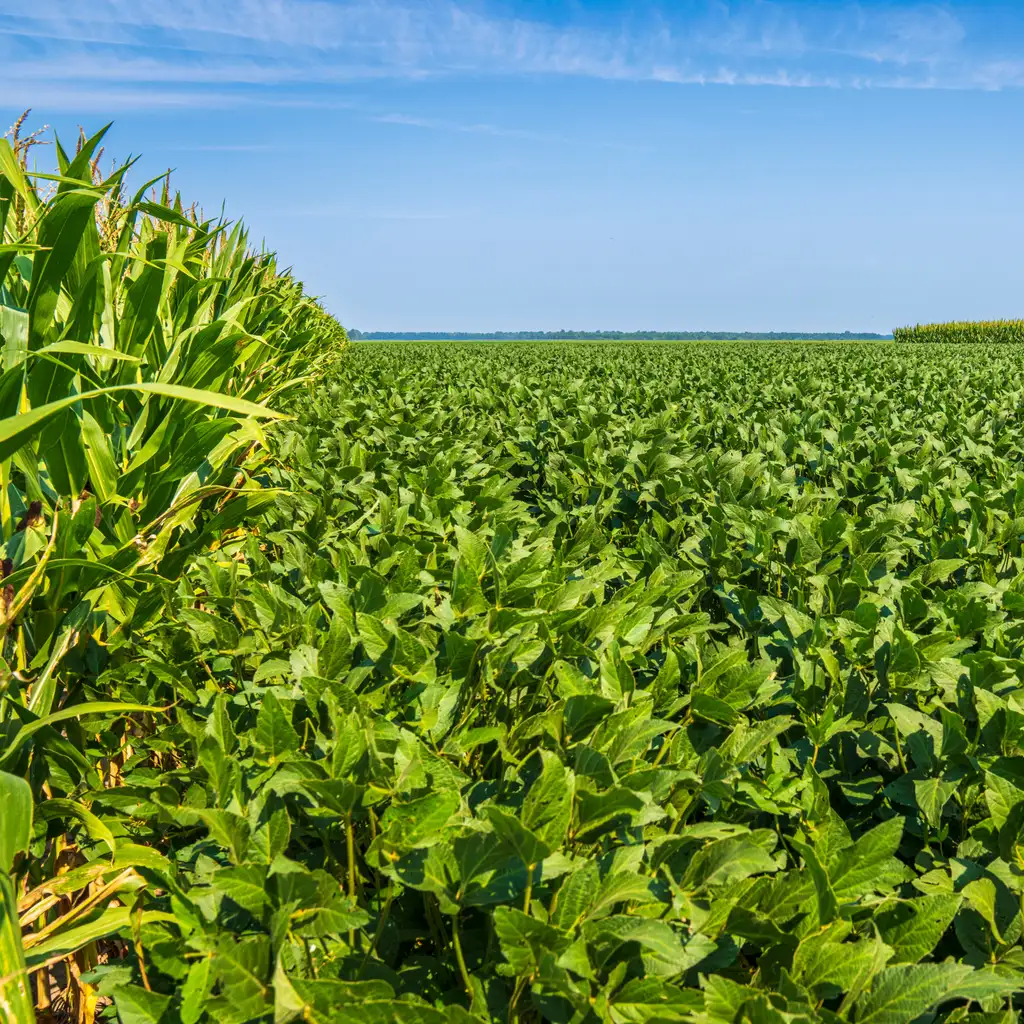
You manage a diverse rotation of crops using shared machinery, buildings, and labor, which means your insurance needs change as your commodities change. Expanding into new crops or storage tasks can leave your policy outdated.
The Southern Agency can review your coming rotation, new rented fields and changes to storage or custom work to help identify appropriate insurance. We can compare actual property definitions, machinery terms and liability exclusions with what you will grow, hold and do for others this season.
Tractors, planters, sprayers, and harvest equipment used across several crops travel between fields and face overturns, collisions, and breakdown.
Grain, forage, or produce held in storage can be lost to fire, moisture, pests, or equipment failure before sale.
Drought, hail, flood, and frost can each strike whichever crop is most vulnerable in a given season, creating uneven losses.
Changing herbicides, fertilizers, and fuels across crops create pollution and drift concerns depending on operations.
Workers operating machinery and handling inputs across varied tasks face strains, equipment, and chemical injury exposure.
Moving machinery and hauling varied crops on public roads creates commercial auto liability and physical damage exposure.
Policies to ask about. Which ones fit depends on your operations, your contracts, and the carrier’s forms.
These hypothetical examples are not agency claim results. Whether a loss is covered depends on the facts, policy terms, and applicable exclusions.
Hypothetical: a sprayer used on two crops suffers an internal drive failure. Farm-equipment insurance may cover accidental damage but exclude mechanical breakdown. Repair, rental, and crop losses need separate review rather than an assumption that the equipment limit pays all three.
Hypothetical: a fire damages a shed now holding baled forage instead of the grain described at renewal. Property coverage depends on insured contents, location, limits, and reporting terms. A previous grain value does not establish an adequate limit or correct description for the new stock.
Hypothetical: an input tank spills at a new leased location. An environmental form may address covered cleanup or liability, but the location and tank operations must fit its terms. Adding acreage to the farming operation does not automatically add it to every pollution form.
Start with the work you do and the questions your current policies leave unanswered. Carrier options depend on your location, risk, and underwriting. Explore our approach.
Not automatically. Compare the insured operations, locations, property, and exclusions with the coming season. Growing, custom harvesting, storing customer goods, processing, and retail sales can raise different questions even on the same farm.
Check equipment territory, off-premises terms, and any location or reporting requirements. Also distinguish accidental damage from internal breakdown and check rented or jointly owned equipment separately.
Possibly, but confirm the definitions, values, perils, and limits for each. Spoilage, heating, moisture, pests, or gradual deterioration are not necessarily covered because fire damage is. Refrigerated produce may require different terms from dry grain.
Describe products, quantities, storage, and application methods, including paid work for others. Pollution coverage is not a blanket promise for drift, treated-crop damage, every chemical, or every field.
Verify the state rules, actual employer, workers, and duties. Seasonal status or an agricultural label does not decide every exemption, classification, or claim, especially where packing, processing, or retail tasks are added.
The rotation, locations, machinery, storage, processing, custom work, chemical operations, workforce, and losses inform underwriting. Acreage and the number of crop names alone do not establish a premium or eligibility.
Bring your questions, current policies, and relevant contracts. An agent can review coverage terms, exclusions, and the information carriers ask for, then explain the options available to you.