Skip to content

Commercial Vehicle Dealer Insurance

A chassis awaiting a body or liftgate is valuable stock, but the work is not finished. Your coverage needs to recognize that stage and the responsibility for the completed upfit.

The Southern Agency can help you review your commercial dealership operations, including complex upfitting and fleet risks.

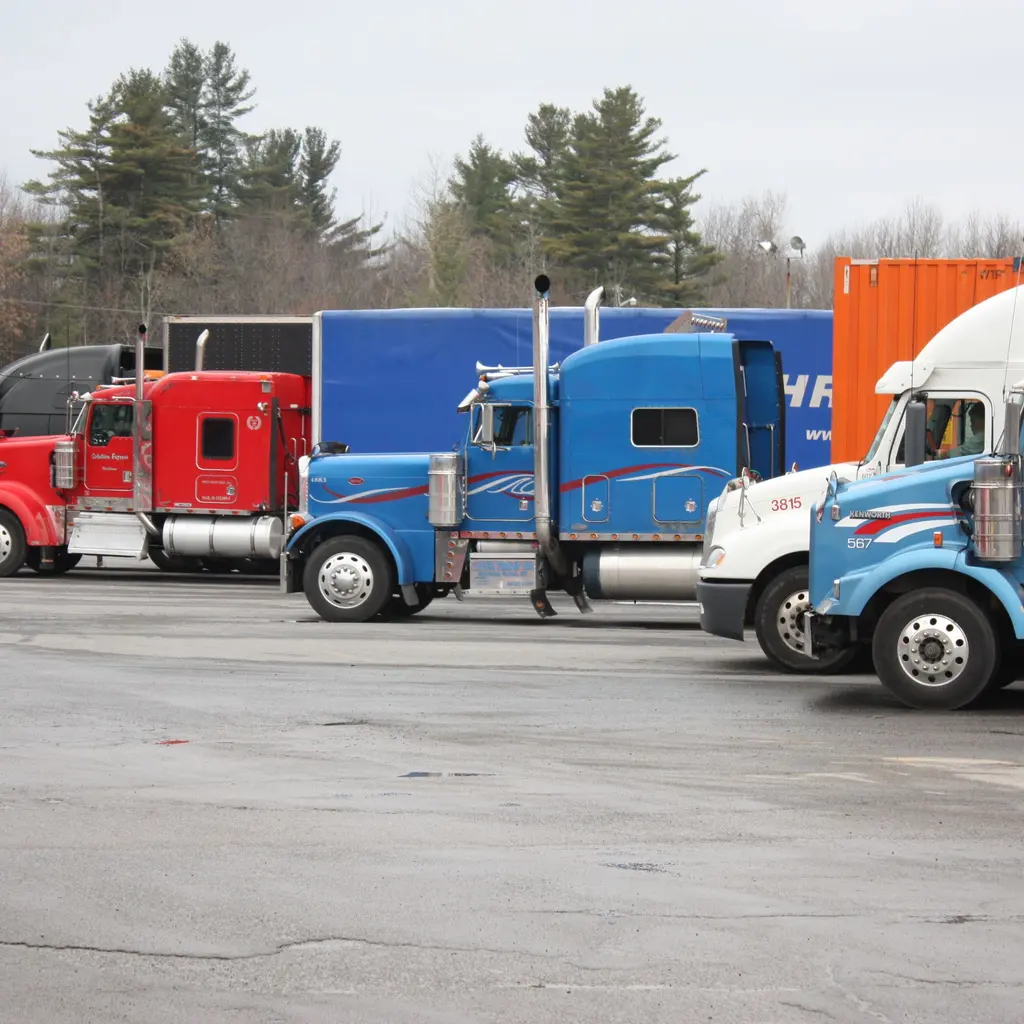
Heavy truck tractors and trailers lined up on a paved vehicle lot.

Industry overview

You may sell completed vans or trucks, or arrange for a chassis to receive a body, liftgate or other equipment before fleet delivery. Damage while a unit is with an upfitter and an injury alleged after handoff involve different responsibilities.

The Southern Agency can review your vehicle configurations and service workflows to help you select appropriate insurance. For example, we can help assess whether your product liability coverage appropriately accounts for the upfitting services you provide.

Risks worth discussing

Vehicle and installed-value loss before delivery

Theft, weather, collision or handling can damage stock, demonstration units, or a vehicle awaiting upfit completion. Chassis, installed equipment, work in progress and customer-owned units need owners, values, and locations identified separately.

Upfit or configuration allegations

A body, liftgate, rack or shelving installation may be alleged to have caused injury or damage after delivery. Wrong specifications, correcting work, failed components and a fleet's delayed deployment are not necessarily the same claim as resulting physical harm.

Demonstrations and vehicle movement

Prospects, staff or outside drivers may move vehicles for tests, installation, or delivery. Describe actual vehicles, drivers, routes, loads, and equipment use; third-party liability differs from damage to the unit, goods aboard, and a customer's vehicle.

Fleet acceptance, transaction, and data disputes

Multi-unit specifications, acceptance dates, finance or title work and account information can be involved in a dispute or intrusion. A data incident, missing payment, paperwork loss, and a delivery penalty require separate review.

Prep, installation, and service injuries

Actual fitting, lifting, mechanical work, vehicle movement, and driving can expose staff to injury. Identify the employer and work state for employees, owner-operators, and outside upfitters; a contractor label does not decide benefits.

Severe or multiple-party claims

A road accident or installed-equipment failure can injure several people or damage other property. Compare the actual vehicles and work, primary limits and excess scope with potential losses and private buyer requests, without treating every fleet contract as a legal limit.

Coverage worth discussing

Policies to ask about. Which ones fit depends on your operations, your contracts, and the carrier’s forms.

Situations to think through

These hypothetical examples are not agency claim results. Whether a loss is covered depends on the facts, policy terms, and applicable exclusions.

  1. Hypothetical: Installed liftgate injures a buyer's employee

    Hypothetical: a liftgate installed by the dealer is alleged to have failed after delivery and injured the buyer's employee. Applicable product or completed-work liability may address a covered injury claim and defense if the work and facts fit. The employee's own benefits, replacement of the liftgate, correcting installation, and lost fleet productivity are separate questions.

  2. Hypothetical: Box-truck demo collision

    Hypothetical: a prospect driving a box truck for a demonstration strikes another vehicle and injures its driver. Applicable dealership or auto liability may address covered third-party claims, subject to the actual vehicle, driver, use, and terms. Damage to the dealer's demo or goods aboard needs separate physical-damage terms; liability for the other driver's losses does not establish payment for the dealer's own truck or load.

  3. Hypothetical: Fleet finance records exposed

    Hypothetical: an intrusion exposes a fleet buyer's financing records. Applicable cyber terms may address covered incident response and privacy claims, subject to the data, systems, reporting, and provider conditions. Missing funds, correcting finance or title work and the buyer's contractual delay charges are not established by the breach response.

Before you talk to an agent

What to have ready

Tick items as you gather them. Nothing here is saved or sent.

Questions to raise

  • Trace the sale from specification and chassis receipt through outside or in-house upfitting, commissioning, storage, and fleet acceptance. Identify who owns the chassis and equipment, who is responsible at each site and how completed values are reported. A price for a finished vehicle does not establish all work-in-progress or outside-location interests.
  • Define who recommends a configuration, designs or selects components, installs, inspects and accepts the completed work. Keep instructions, changes and available approvals with supplier and upfitter terms. Compare resulting injury or damage with a specification dispute, a failed component, correction, warranty, and a promised deployment date.
  • Describe actual demonstration vehicles, operators, routes, loads, fitted equipment, deliveries, and any loaner or personal use. Review liability and dealer stock damage separately from customer-vehicle custody, including units waiting for installation or service. Check the licensing and road requirements for the actual vehicles, drivers, and uses.
  • Compare plausible road, loading or installed-equipment injury losses with primary and excess scope, limits and defense arrangements. Bring buyer insurance and indemnity requests, but do not use a minimum contract limit, purchase price or sales total as the only measure of potential loss.
  • Describe service-area property, employees and providers, work states, finance or title processes and the data held. Review customer-vehicle, worker and system responsibilities together with actual fleet acceptance terms. Physical damage, an information incident, a paperwork error, and a shortfall in promised performance need different responses.

Contract terms to check

  • Define the buyer's configuration, quantity, chassis, and equipment, who approves changes and who accepts each completed unit. Review delivery, inspection, rejection, correction, warranty, and deployment or downtime promises. A fleet's contractual remedy is not automatically a covered injury or property-damage claim.
  • Allocate design, component supply, installation, commissioning, custody, transport, and damage responsibilities among the dealer, supplier, upfitter, and buyer. Read indemnity and requested insurance interests against actual policies and endorsements. A provider's certificate does not guarantee the dealer's own protection or reimbursement for every defective installation.
  • Compare inventory finance and brand or franchise requests with dealer physical-damage scope, valuations, installed equipment, outside locations, demonstrations, and storm terms. Separately review property leases, equipment finance and customer-vehicle work.
  • Read finance, title and sales-process responsibilities, data-provider arrangements and any requested errors-and-omissions terms separately from physical damage and cyber response. Verify actual licensing, bond, driver, road, and worker conditions for the jurisdiction and operation. Private buyer or provider limits are not a substitute for that review or a promise every transaction dispute is insured.

What the agent conversation looks like

Start with the work you do and the questions your current policies leave unanswered. Carrier options depend on your location, risk, and underwriting. Explore our approach.

  1. ListenReview your operations, current coverage, and past claims.
  2. AssessIdentify potential hazards and discuss ways to reduce risk.
  3. BuildDiscuss policy and carrier options, premium costs, and audits.
  4. SupportReview changes and help you plan ahead as your needs develop.

Questions owners ask

What changes when a vehicle goes to an outside upfitter?

Identify the owner, chassis and equipment values, site, custody, work, and handoff at each stage. Compare dealer inventory physical damage and the provider's responsibilities with completed values and actual endorsements. Neither the final sale price nor an upfitter's certificate establishes every interest or the dealer's own liability.

Does product liability pay to correct a liftgate installation?

A claim alleging resulting injury or damage differs from the cost of replacing the component, redoing the work, honoring a warranty, or losing fleet use. Describe design, specification, supply and installation roles and compare the actual completed-work and property terms. A performance promise does not itself establish an insured accident.

Does garage liability include stock and customer vehicles?

Review these separately. Liability for covered dealer operations, physical damage to vehicles held for sale and garagekeepers or other customer-vehicle custody terms concern different interests. Identify customer units accepted for upfit or service as well as dealer demos and actual drivers.

How should fleet-buyer limit requests be assessed?

Compare the actual request and indemnity with potential road, loading or installed-equipment losses, primary and excess scope, defense, and exclusions. A buyer's minimum is a private condition, not proof of legal adequacy or sufficient limits. Added limits do not by themselves include excluded activities or damage to the dealer's own stock.

Will cyber coverage fix a finance or title error?

A data intrusion and privacy response differ from financial loss caused by transaction paperwork, a missing payment, or a delivery penalty. Review actual sales-process and any errors-and-omissions terms separately, together with reporting and provider responsibilities. The cyber heading does not establish all of them.

Does a subcontractor label settle who insures installation workers?

Identify actual employers, tasks, work states, and the arrangements with upfit, prep, service, and transport providers. Check applicable worker duties and benefits, including owners and helpers as relevant. A label or certificate does not by itself settle every person's status or protection.

Talk through your commercial vehicle dealer coverage

Bring your questions, current policies, and relevant contracts. An agent can review coverage terms, exclusions, and the information carriers ask for, then explain the options available to you.

How can we help you get started?

Choose the quote that fits, and we’ll take it from there.

Have a question? Contact us