

Custody
Customer cars face fire, theft or handling damage.
Try a different word, or check the spelling.
A test drive takes a customer's car beyond the bay without making it the same interest as your shop vehicle. Garage and auto protection need that use accepted, separately from lift breakdown, customer-car damage, and allegations about completed repairs.
The Southern Agency can review your service menu, peak customer-car values and actual test-drive arrangements before comparing garage and vehicle terms.
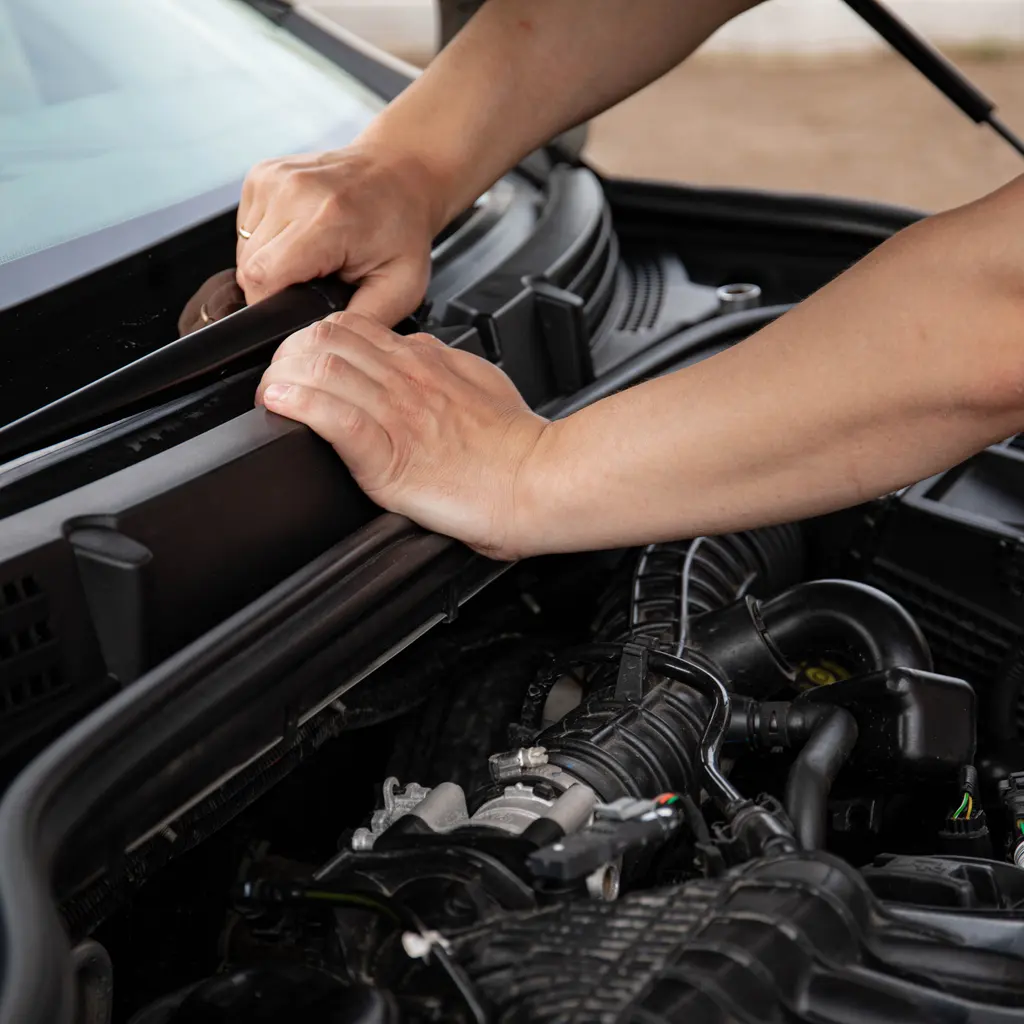
You take custody of cars while diagnosing and servicing them. A vehicle damaged on a lift creates a custody claim, while a failed brake repair can lead to an allegation after the customer picks up the car.
The Southern Agency can review your shop operations and service liabilities to help you select appropriate insurance. For example, we can explain why customer vehicles require protection distinct from your building and shop machinery.
Customer cars face fire, theft or handling damage.
Later failures can cause injury or damage.
Lifts and diagnostics can fail or be damaged.
Heavy parts, fluids, and shop traffic threaten staff and visitors.
Oil and solvents create release and disposal concerns.
Policies to ask about. Which ones fit depends on your operations, your contracts, and the carrier’s forms.
These hypothetical examples are not agency claim results. Whether a loss is covered depends on the facts, policy terms, and applicable exclusions.
Suppose a customer's car falls from a lift and is damaged. Compare actual custody, accepted garagekeepers causes and legal-liability or selected direct basis, including faulty-work restrictions. Your lift's repair, the car and personal items inside are different interests.
Suppose a customer alleges a completed brake repair failed and caused a collision. Compare accepted completed operations and resulting injury/other damage with actual repair facts and exclusions. Redoing the brakes, warranty work and the customer's own vehicle damage need separate review.
Suppose an employed technician strains their back lifting a heavy part. Review actual employer, work duties and eligible benefits under applicable rules. Garage/customer injury liability is not the same as employee work-injury protection.
Start with the work you do and the questions your current policies leave unanswered. Carrier options depend on your location, risk, and underwriting. Explore our approach.
Garagekeepers concerns accepted damage to customer cars in your custody, separate from shop building/tools and operations liability. Compare legal-liability versus available direct bases, causes, peak values and deductibles. A custody claim, faulty repair or personal item inside is not automatically covered.
Review actual garage operations, completed repairs and vehicle uses rather than assume an ordinary GL form accepts them. Customer-car physical damage needs garagekeepers attention; shop/loaner vehicles, test drives and owned property are separate interests. A garage label does not automatically combine all of them.
Compare actual repair, resulting injury or damage and accepted completed-operations terms. Redoing your own faulty work or honoring a warranty differs from covered resulting harm. Customer-car damage and vehicle use still need their own review.
Describe actual employees/contractors, shop duties, payroll and work state and have obligations reviewed under applicable rules. Work-related lifting, burns or other injuries involve different benefits from garage visitor or customer-car claims. A contractor label does not settle worker status.
Describe actual oil/solvent storage, tanks and off-site disposal vendors and duties. Compare accepted releases, cleanup and other-party pollution with environmental terms. Ordinary disposal/compliance, every spill and garage GL are not automatically the same protection.
Services, customer values, payroll, machinery, and losses affect terms.
Bring your questions, current policies, and relevant contracts. An agent can review coverage terms, exclusions, and the information carriers ask for, then explain the options available to you.