Skip to content

Truck Sale Insurance

The truck you are demonstrating may be owned, financed, or held on consignment. Your liability for the drive and protection for the truck's value need to be considered separately.

The Southern Agency can help you identify coverage for your dealership's inventory, service work, and fleet delivery responsibilities.

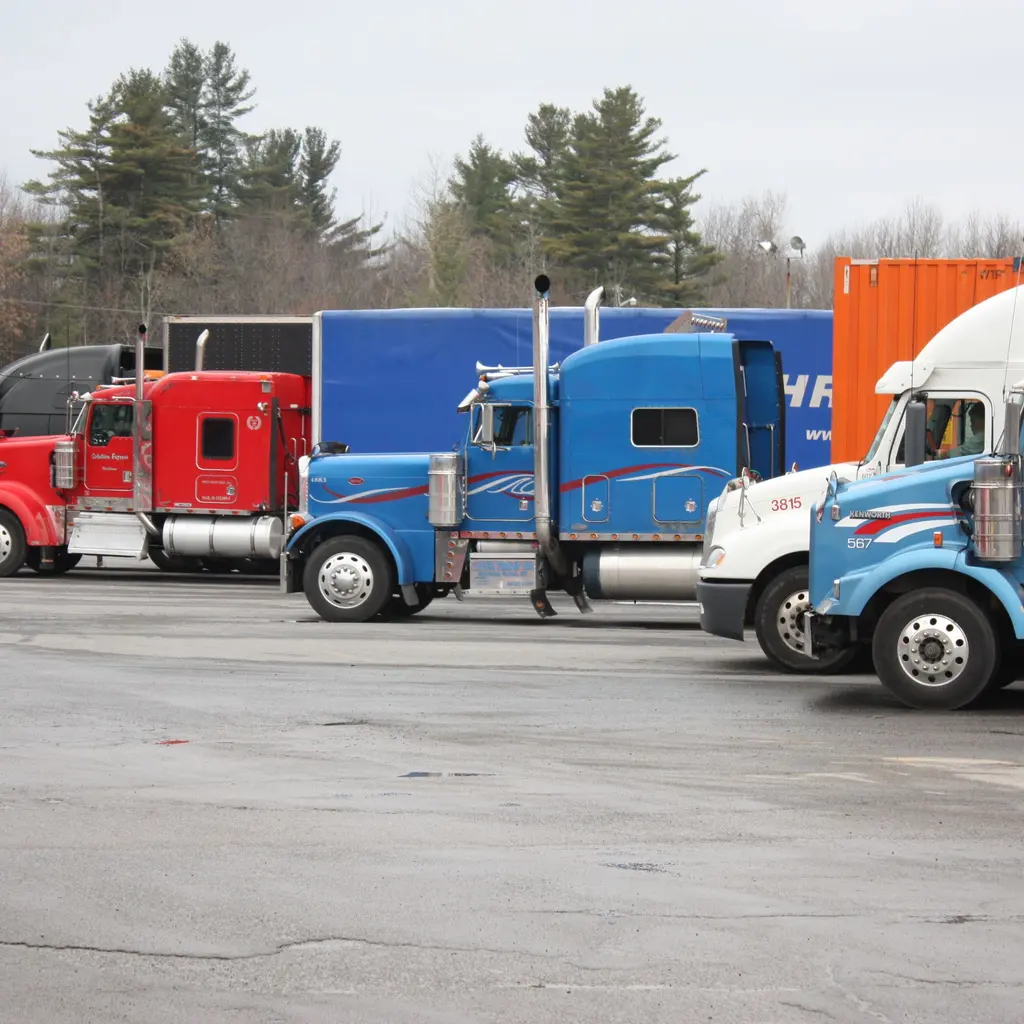
Rows of red, blue and white heavy trucks with trailers parked outdoors.

Industry overview

You sell and service medium- or heavy-duty trucks and tractors, managing trade-ins, consignments, and complex fleet specifications. Whether you are demonstrating a truck or performing prep work, errors or accidents can expose your business to liability and inventory losses.

The Southern Agency can review your dealership's specific sales, prep, and modification services to help you select appropriate insurance. For example, we can compare how liability is covered during a vehicle demonstration versus how property terms protect financed or consigned trucks in your inventory.

Risks worth discussing

Demo or delivery causes injury or damage

A truck or combination moving on the lot, on a demonstration or during delivery can injure others or damage property. Identify actual drivers, permissions, qualifications, routes, and uses; liability for others and damage to the truck need separate review.

Truck stock damaged or stolen

Weather, theft or movement damage can affect owned, financed, consigned or traded units. Counts, peak values, condition, locations, and transit matter. Ordinary contents or a liability limit does not establish dealer vehicle physical damage or each owner's payment.

Specification or work is disputed

Selecting a factory specification differs from changing equipment or performing prep, service, or modification. Record who does and approves what, including outside providers. Resulting injury or damage, correcting work, warranty, and promised fleet performance require their actual terms.

Trade-in, finance or data loss

Condition, title, odometer, finance or payment disputes can involve high-mileage trade-ins and business purchases. Exposed customer information and diverted funds are different losses. Identify actual representations, services, records, providers, and funds rather than assuming accident or cyber cover includes them all.

Buyer requests do not fit the program

An actual fleet, carrier, lender or brand contract may request limits, parties or endorsements the current program does not supply. Compare those requests with potential demo, delivery, and work claims and the actual underlying and excess terms. Vehicle price and a buyer's minimum do not determine every injury, damage or defense cost.

Lot, prep and service workers injured

Vehicle movement, handling and work around or beneath trucks can cause crush, fall or strain injuries. Describe employers, staffing, tasks, work states, driving, and outside providers; a dealer, helper or contractor label does not settle worker status or benefits.

Coverage worth discussing

Policies to ask about. Which ones fit depends on your operations, your contracts, and the carrier’s forms.

Situations to think through

These hypothetical examples are not agency claim results. Whether a loss is covered depends on the facts, policy terms, and applicable exclusions.

  1. Hypothetical: Prospect injures another driver on a truck demo

    Hypothetical: a prospect collides with another vehicle during a truck demonstration and seriously injures its driver. Applicable dealership auto or garage liability may address a covered claim and defense if the driver, truck, use, and conduct fit. Excess cover depends on its actual underlying and activity terms; permission or a license alone does not establish payment, and damage to dealer stock is a different interest.

  2. Hypothetical: Dealer-installed equipment damages another vehicle

    Hypothetical: equipment fitted during dealer prep comes loose after delivery and damages another vehicle; the customer alleges faulty installation. Applicable product or completed-work terms may address a covered resulting-damage claim and defense if the actual work fits. Correcting the installation, replacing the equipment, a disputed specification, and promised fleet uptime need separate terms.

  3. Hypothetical: Fleet purchase finance records exposed

    Hypothetical: an intrusion exposes finance records for a fleet purchase, including personal information of individual applicants or guarantors. Applicable cyber terms may address covered response and privacy claims, subject to the information, systems, reporting, and provider conditions. Missing sale proceeds, title or finance errors and every contractual expense are not established by breach response.

Before you talk to an agent

What to have ready

Tick items as you gather them. Nothing here is saved or sent.

Questions to raise

  • Describe the actual truck or combination, drivers, permissions, demo, and delivery routes and any personal or other use. Verify applicable driver qualifications, license class, endorsements, and restrictions for the vehicle and use, then separately review insurance. Neither a demonstration label nor a dealer plate establishes an exemption, a universal CDL requirement or a covered driver.
  • Compare actual buyer, lender or brand requests with potential injury, damage, and defense costs from the dealer's work and road activity. Read primary and excess scope together, including covered operations and underlying terms. Use the requested minimum as one input, not a guarantee that the program fits all of the dealer's work.
  • Separate selecting an order specification from performing or approving equipment changes, prep, repairs, or other work. Identify actual advice, providers, and responsibilities, including any outside service or parts sales. Compare resulting injury or damage with correcting work, warranty, financial specification disputes, and performance promises.
  • Review high-mileage trade-in descriptions, title, odometer, finance, and payment work and the information or funds held. Compare data response, sales-process errors and actual crime or fraud terms instead of treating all transaction costs as cyber. Keep available condition and transaction records with relevant policies, requests, and notices for review.
  • Match peak owned, financed, consigned and traded truck stock to actual vehicle damage, valuation, reporting, location, and transit terms. Include weather, security, movement, and any customer trucks held for work. Compare those interests with buildings, parts, tools and income rather than using a contents or liability limit as the truck-stock answer.

Contract terms to check

  • Set out demonstration, delivery, vehicle and driver permissions, custody and release, with actual uses and routes disclosed to the insurer. Verify applicable driving and dealer obligations separately from private permissions. A signed demo form, dealer plate or buyer's carrier status does not establish every driver, vehicle, or use is insured.
  • Allocate who selects, supplies, installs, changes, or approves the truck's equipment and specification, including outside providers. Define acceptance, testing, warranty, correction, and any uptime or performance promise. Compare actual covered work and advice with resulting harm, financial disputes and contractual charges rather than assuming completed-work liability pays every remedy.
  • Record actual trade-in condition, title, odometer, sale, finance, and payment responsibilities, including provider access and representations. Compare sales-process errors, funds loss, and data incidents with the relevant terms. Neither a buyer agreement nor cyber response establishes every correction, debt, refund, or missed delivery cost.
  • Read actual inventory-finance, brand, fleet-buyer, and premises-lease insurance requests against the policy and endorsements. Distinguish property-lender interests from additional-insured liability requests and verify applicable licensing, bond, worker, and road obligations separately. Private minimums and certificates do not establish every truck-stock loss, required legal amount, or available excess scope.

What the agent conversation looks like

Start with the work you do and the questions your current policies leave unanswered. Carrier options depend on your location, risk, and underwriting. Explore our approach.

  1. ListenReview your operations, current coverage, and past claims.
  2. AssessIdentify potential hazards and discuss ways to reduce risk.
  3. BuildDiscuss policy and carrier options, premium costs, and audits.
  4. SupportReview changes and help you plan ahead as your needs develop.

Questions owners ask

Does every truck buyer impose the same liability limit?

Review the actual buyer or other private agreement and applicable obligations, then compare possible demo, delivery, and work claims with primary and excess scope. No universal amount follows from the truck-sales label. More liability limits do not insure truck stock or every performance promise.

Does a demo form or commercial license establish demo coverage?

Verify applicable qualifications for the actual vehicle or combination and proposed use, including any required license class, endorsements, and restrictions. Review the driver, vehicle, permission, route, and actual dealer or auto terms separately. A permission form, dealer plate, or license does not establish every insurance interest or loss.

Is choosing a truck specification the same as modifying it?

State who selects, supplies, installs, changes, and approves equipment and any actual advice or design responsibility. Product or completed-work terms may address covered resulting injury or damage, but an order choice, financial specification dispute, correction, warranty, or promised uptime needs its actual treatment checked.

Does a building contents limit include every truck on the lot?

Review actual dealer vehicle physical damage, owners, values, reporting, sites, transit, causes, and storm terms. Owned, financed, consigned, and customer trucks can involve different interests. A contents limit or liability policy is not proof that each truck or lost sale is covered.

Does cyber cover title, finance, and payment disputes?

Compare actual data response and privacy terms with sales-process errors and crime or fraud terms. A breach involving finance records differs from incorrect title or odometer work, a misdirected transfer, or a financing dispute. Covered response does not establish every transaction loss.

Are lot and prep workers covered because the trucks are insured?

Identify actual employers, payroll, work states, and tasks and review applicable worker obligations and policy terms. Include testing, driving, service, and outside-provider arrangements. Insuring a truck, using a job label or obtaining a certificate does not determine every worker's status or benefits.

Talk through your truck sale coverage

Bring your questions, current policies, and relevant contracts. An agent can review coverage terms, exclusions, and the information carriers ask for, then explain the options available to you.

How can we help you get started?

Choose the quote that fits, and we’ll take it from there.

Have a question? Contact us