Skip to content

New Car Dealership Insurance

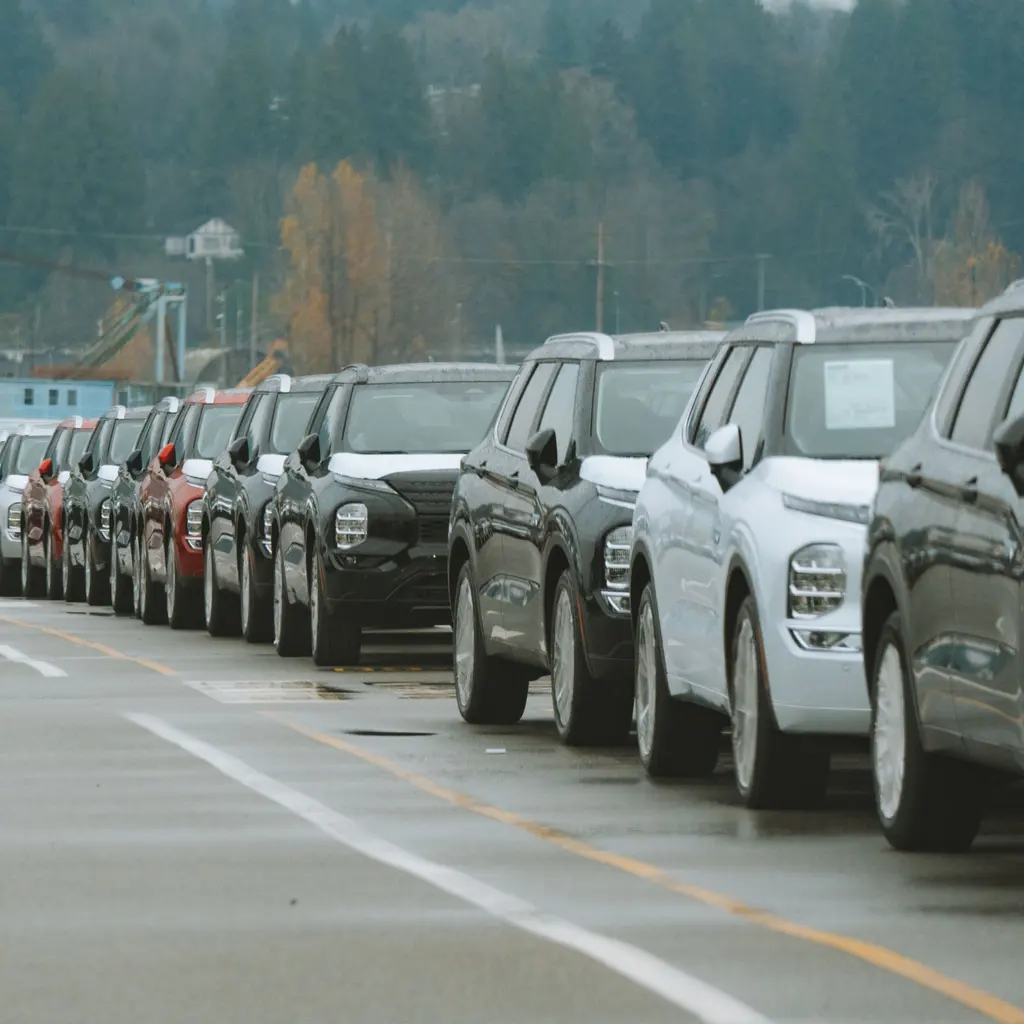
With several new cars awaiting buyers on the same lot, your stock value is concentrated in one place. Its protection is a separate decision from insuring the showroom.

The Southern Agency can help you review vehicle sales, service departments, and connected dealer systems together.

Rows of new SUVs with windshield labels parked closely together in an outdoor lot.

Industry overview

You manage vehicle sales alongside the service, parts and finance activities your franchise offers. One hailstorm can damage several cars, while a failed lift or exposed finance application creates a different loss that a vehicle-stock limit cannot resolve.

The Southern Agency can review your departments, technology providers, and manufacturer requirements to help you select appropriate insurance. For example, we can help distinguish between your cyber liability needs and the coverage required for equipment breakdown in your service bays.

Risks worth discussing

Several stock vehicles damaged in one event

Hail, another storm, vandalism or theft can affect multiple units at a lot or storage site. Identify actual owners, peak values, locations, and vehicle conditions; repairing a new car and any reduction in its resale value are separate valuation questions.

Customer vehicles and completed repairs

A customer's car can be damaged while held for service or allegedly harmed by work after pickup. Custody, resulting damage, the part or work itself and warranty obligations require different terms and facts.

Finance information and transaction errors

Finance applications and account systems may contain identity and credit information. A privacy intrusion differs from a title, odometer or financing error, missing funds or a provider's service failure; review actual processes and responsibilities.

Tests, loaners, and vehicle movement

Prospects, staff and outside providers may drive or move vehicles for demonstrations, service, delivery or other uses. Identify actual vehicles, operators, plates, and permissions; injury liability, stock damage and a customer car are different interests.

Employment complaints across departments

Hiring, supervision, discipline or termination can lead to discrimination, harassment or retaliation allegations. Worker injury benefits, wages, contractual obligations and employment-practices liability are not interchangeable, regardless of staff size.

Service equipment or building systems stop working

A failed lift, alignment rack or HVAC system can interrupt actual departments. Equipment damage, wear, upkeep, temporary arrangements and lost sales or service income need their own cause, property and interruption review.

Brand and finance requests do not match the policy

A manufacturer, inventory lender or landlord may request particular interests, terms or limits. A certificate, private minimum or loan balance does not show that every vehicle, site, department or potential loss fits the actual policy.

Coverage worth discussing

Policies to ask about. Which ones fit depends on your operations, your contracts, and the carrier’s forms.

Situations to think through

These hypothetical examples are not agency claim results. Whether a loss is covered depends on the facts, policy terms, and applicable exclusions.

  1. Hypothetical: Hail damages dealer-owned new cars

    Hypothetical: a hailstorm damages several new cars held for sale. Applicable dealer physical-damage terms may address covered vehicle damage, subject to locations, values, storm limits, and deductibles. Repair payments do not establish reduced resale value, customer-car losses, or lost sales and finance income; those interests need their actual terms.

  2. Hypothetical: Finance applications exposed

    Hypothetical: an intrusion exposes finance applications containing customers' Social Security numbers. Applicable cyber terms may address covered response and privacy claims, subject to systems, reporting, and provider conditions. Correcting title or finance work, missing money and every compliance expense are not established by breach response.

  3. Hypothetical: Engine damage alleged after service

    Hypothetical: a customer alleges a completed repair caused engine damage after pickup. Applicable dealership completed-work terms may address a covered claim for resulting property damage and defense, but the work, damaged property, and exclusions matter. Correcting the repair, honoring a warranty and damage to the car while in custody need separate review. A garage-liability heading alone does not show which customer-car or faulty-work losses the contract covers.

Before you talk to an agent

What to have ready

Tick items as you gather them. Nothing here is saved or sent.

Questions to raise

  • Map actual departments, legal entities, brands, and locations to the policy and the manufacturer's requests. Include any used stock, outside service, parts sales or other vehicle lines rather than assuming the franchise name describes them all. Compare private minimums with actual loss potential and the endorsement needed for each requested interest.
  • Separate dealer inventory, financed units, demos, loaners, and customer cars held for service. Review seasonal peak values, outside storage or transport, weather accumulation, deductibles and how a repaired new vehicle is valued. A lender balance, building contents limit or repair estimate does not settle all of those interests.
  • Describe the work performed before and after delivery and customer-car custody. Record the actual drivers and uses, including test drives, staff errands, deliveries, and any personal use. Keep available condition, permission, service, and complaint records with the relevant work. Compare resulting damage with the component, correction, warranty, and liability after pickup; a custody label is not a completed-work promise.
  • Trace finance applications, identity information, account access, and outsourced systems or sales-process services. Assign incident, complaint and reporting responsibilities. Compare cyber response with sales-process errors, missing payments, and actual legal duties; an insurance certificate or data-provider agreement does not by itself resolve all of them.
  • Review actual staff, employment complaints, and equipment-dependent revenue across departments. Worker injury benefits differ from practices claims; check reporting, prior matters, and coverage continuity. For lifts, alignment systems or HVAC, compare covered failure, upkeep, temporary options, and actual income terms instead of assuming every service stoppage is insured.

Contract terms to check

  • Compare actual manufacturer and stock-finance insurance requests with named entities, locations, inventory ownership, and dealer physical-damage terms. Clarify valuation, reported values, demos, storage and transit, and any lender interest. A financed balance or private minimum does not establish an adequate stock limit or covered loss.
  • Read lease and equipment-finance requests for the intended property and liability interests. Where a landlord or another party requests additional-insured status, compare the actual liability endorsement rather than treating it as the same interest as a property lender. Certificates do not amend the policies.
  • Define customer-work authorization, custody, parts, outside repair, warranty, and return work, alongside test, loaner, staff or other vehicle-use permissions. Compare indemnity and damage responsibilities with actual dealer, customer-car, and completed-work terms. Neither a customer signature nor a supplier warranty establishes every alleged repair loss is insured.
  • Review finance, title, odometer, payment, data-provider, and sales-process responsibilities, including any requested errors-and-omissions terms. Allocate notices, complaints, and incident response without assuming outsourcing removes the dealer's duties. Verify applicable legal licensing, bond, privacy, worker, and road obligations separately from private manufacturer, landlord, and provider requests.

What the agent conversation looks like

Start with the work you do and the questions your current policies leave unanswered. Carrier options depend on your location, risk, and underwriting. Explore our approach.

  1. ListenReview your operations, current coverage, and past claims.
  2. AssessIdentify potential hazards and discuss ways to reduce risk.
  3. BuildDiscuss policy and carrier options, premium costs, and audits.
  4. SupportReview changes and help you plan ahead as your needs develop.

Questions owners ask

Does meeting a manufacturer's minimum settle dealership coverage?

Compare the actual agreement, requested parties, and endorsements with each department, entity, site, and activity. Brand requests are private conditions; they do not establish every legal duty, adequate limit, or covered loss. Review stock finance, customer cars, and actual potential claims as well.

Are customer-car damage and correcting a repair the same claim?

No. Identify when the damage occurred, whose property was affected and what work was done. Customer-vehicle custody, resulting damage after pickup, the faulty part or work and a warranty can involve different terms. Some forms have specific work-related provisions; neither automatic payment nor a blanket exclusion follows from the garage heading.

Will cyber response also pay for a title or financing error?

An information intrusion differs from a transaction mistake, missing money or a sales-process dispute. Describe actual finance services and providers, and compare cyber terms with any applicable errors-and-omissions or other arrangements. Response to a covered breach does not establish every financial or compliance cost.

Does a showroom property limit protect all lot vehicles from hail?

Ask about actual dealer vehicle physical damage, owners, sites, peak values, storm terms, and deductibles. Building or parts coverage does not establish dealer stock or customer cars. Also review repaired-vehicle resale value and income separately; a vehicle repair payment does not by itself settle either loss.

Does workers' compensation replace employment-practices coverage?

Worker injury benefits and discrimination, harassment, retaliation or termination allegations are different issues. Review actual employers, insured people, definitions, and exclusions. Check complaint and notice requirements, prior matters, and continuity when changing practices coverage; do not assume every wage, benefit, or employment promise is included.

Will a failed service lift automatically trigger lost-income coverage?

Identify the equipment, cause, department affected, and actual physical-damage or breakdown terms. Listing a machine does not determine whether wear, upkeep, or canceled appointments are covered. Review waiting periods, covered income, temporary alternatives, and expenses separately from paying to repair it.

Talk through your new car dealership coverage

Bring your questions, current policies, and relevant contracts. An agent can review coverage terms, exclusions, and the information carriers ask for, then explain the options available to you.

How can we help you get started?

Choose the quote that fits, and we’ll take it from there.

Have a question? Contact us