Skip to content

Auto Parts Retailer Insurance

A customer may rely on your part recommendation long after leaving the counter. Product liability deserves attention alongside the stock on your shelves and any fitting work you do.

The Southern Agency can help you assess your parts retail risks and match them with suitable insurance coverage.

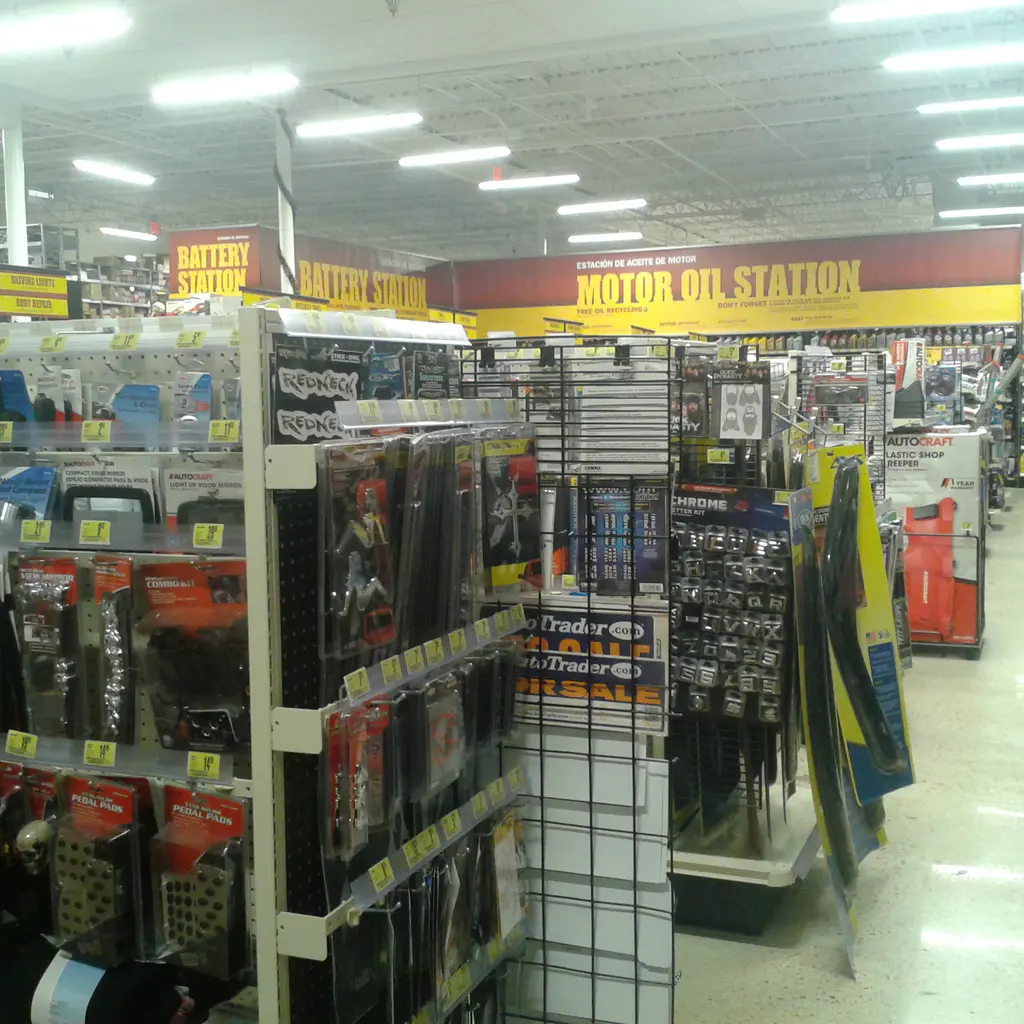
Aisles of packaged automotive accessories, parts and motor oil inside an auto parts store.

Industry overview

You manage parts inventory, customer advice, and potentially installation or delivery, where a misfitted part or an injury in your shop can lead to a significant claim. Maintaining accurate records of your services and product sourcing is essential to managing these risks.

The Southern Agency can review your retail, installation, and delivery workflows to help you select appropriate insurance. For example, we can help assess whether your product liability coverage appropriately accounts for the installation advice you provide to customers.

Risks worth discussing

Part failure and fitment allegations

A component or wrong application may be alleged to have caused engine damage, a collision, or injury. A resulting injury or other-property claim differs from a defective part, wrong-order return, or promise to reimburse a shop's delay.

Stock loss at stores and storage sites

Fire, theft or water damage can affect batteries, electronics, fluids and other stock. Ownership, site, maximum values, and the actual cause matter; one contents limit does not establish stock at another branch or in transit.

Aisle and counter injuries

Heavy boxes, racks, spilled fluids, and movement through customer areas can lead to injury claims. Describe actual walk-in areas and loading or pickup arrangements rather than assume every order is handed across a counter.

Delivery and loading losses

Owned vans, employee vehicles, or outside couriers may move parts to shops. A collision can involve third-party injury, vehicle damage, carried parts, and loading activity, with different parties and terms for each.

Payment systems and account information

A compromised point-of-sale system or commercial account can lead to investigation, data, or privacy claims and interruption. A system outage, stolen payment and a merchant's contractual charge are not necessarily the same insured event.

Stocking and driver injuries

Lifting components, stocking racks, any forklift use, and delivery work create different tasks and injury exposures. Identify actual employers and work states, including helpers and outside drivers, rather than infer worker benefits from the store's size.

Returned and condition-sensitive stock

Returned parts, core-exchange items and customer-owned goods need their own ownership and value records if held. Any supplier-specified storage conditions also matter when reviewing cause and stock-damage terms.

Coverage worth discussing

Policies to ask about. Which ones fit depends on your operations, your contracts, and the carrier’s forms.

Situations to think through

These hypothetical examples are not agency claim results. Whether a loss is covered depends on the facts, policy terms, and applicable exclusions.

  1. Hypothetical: Brake component alleged to cause a collision

    Hypothetical: a customer alleges a brake component sold by the store failed and caused a collision with injuries. Applicable product liability may address a covered claim and defense if the product and activities fit the terms. Replacing the component, withdrawing other stock, and reimbursing a repair shop's lost work are separate costs, not established by that injury claim.

  2. Hypothetical: Batteries and electronics stolen overnight

    Hypothetical: a break-in removes batteries and electronics from the store. Applicable commercial property terms may address covered theft of identified stock, subject to ownership, valuation, limits, deductible, and conditions. Returned or core-credit values, stock elsewhere, and sales lost while replacements arrive need their own review.

  3. Hypothetical: Parts van collision en route to a shop

    Hypothetical: a delivery van strikes another vehicle, injuring its driver and damaging parts aboard the van. Applicable business auto liability may address covered third-party injury and damage. Selected vehicle physical damage and the parts load require separate terms; an auto liability limit does not establish either or every missed-delivery charge.

Before you talk to an agent

What to have ready

Tick items as you gather them. Nothing here is saved or sent.

Questions to raise

  • Describe products, brands, sources, intended applications, and counter fitment advice, including any imported, modified or installed items. Compare covered injury and other-property loss with warranty, part correction, recall, and commercial-account reimbursement. Potential collision loss can exceed the part's sale price, so review limits and defense arrangements on that basis.
  • Value stock at each shop, warehouse and temporary site, allowing for actual seasonal peaks and ownership. Separate new goods, returns, core items, and customer goods if held. Match causes, valuation and storage or transit terms to those interests, including any documented supplier conditions.
  • Map pickup and delivery by store employees, their own vehicles, and outside couriers as used. Compare injury liability, vehicle damage, carried stock, loading, and handoff with actual routes and maximum loads. A driver's or courier's certificate does not establish the store's direct stock protection or every delivery promise.
  • List any battery fitting, tire work, diagnostics or other installation and the customer vehicles accepted, moved or left on site. Review custody, completed work, machines, workers, and waste separately from a retail counter. Include services offered without a separate labor charge.
  • Identify payment systems, commercial account data, staff permissions, and providers, with actual incident or outage history. Read response, reporting, restoration, interruption, fraud, and merchant terms together. Keep payment-processing promises, applicable privacy duties, and coverage distinct, and identify actual stocking, forklift, and driving employers for worker review.

Contract terms to check

  • Review supplier, brand and commercial-customer terms for product identity, application information, acceptance, returns, core credit, warranties, indemnity, and withdrawal or replacement charges. Identify who supplies fitment information and what the store promises; product injury coverage does not guarantee every refund, rejected order or shop downtime cost.
  • For deliveries or outside couriers, allocate custody, loading, handoff, damage, theft, replacement, and delay responsibilities. Compare the actual goods and liability terms with the transporter's arrangement and the store's interests. A courier's vehicle limit or certificate is not direct coverage for all stock or a delivery-time guarantee.
  • If testing, fitting or repair is offered, define the work authorized, customer-vehicle handling, outside providers, warranties, and return work. Review the customer and provider terms with actual custody and completed-work coverage rather than assume a parts sale includes every installation promise.
  • Compare property leases, supplier or franchise conditions, vehicle or equipment finance requests and merchant or data-provider duties with actual policies and endorsements. Check intended insured or financed interests and limits. Keep private requests separate from applicable worker, road, privacy, chemical, or waste duties.

What the agent conversation looks like

Start with the work you do and the questions your current policies leave unanswered. Carrier options depend on your location, risk, and underwriting. Explore our approach.

  1. ListenReview your operations, current coverage, and past claims.
  2. AssessIdentify potential hazards and discuss ways to reduce risk.
  3. BuildDiscuss policy and carrier options, premium costs, and audits.
  4. SupportReview changes and help you plan ahead as your needs develop.

Questions owners ask

Does a product claim include replacing or recalling the part?

A covered injury or property-damage claim is different from the component's replacement, warranty, withdrawal, disposal, refund, or a commercial customer's downtime charge. Describe the products, fitment advice, and any installation, then compare each interest with actual terms and defense arrangements.

Does insuring a delivery van also insure the parts aboard?

Do not assume so. Compare vehicle liability, selected physical damage, and the stock or transport interest separately, including loading, custody and handoff. Review actual business use of employee or personal vehicles and outside couriers; a policy name or vehicle certificate does not establish all parties and goods.

How should I value stock that includes returns or core items?

Identify owners, condition, applicable credit, or replacement basis and locations separately from new saleable inventory. Compare actual valuation, causes, limits, and peak stock. Any storage conditions or temperature loss need specific facts and terms rather than an assumption that all batteries or chemicals qualify for spoilage protection.

Does cyber coverage pay every payment-card or fraud charge?

Not automatically. Check incident response, privacy liability, system or network interruption, restoration, reporting, providers, and any payment-card or fraud provisions. A merchant agreement, loss of a payment and a reportable data incident may raise different duties and policy questions.

What changes if staff fit batteries or perform repairs?

Describe the actual work, vehicles accepted or moved, employers, and equipment. Review customer-vehicle custody and completed work separately from counter sales, and check worker rules for actual duties and work states. A small staff or retail classification does not settle those protections.

Will a business owners policy include everything a parts store does?

Compare any proposed package with products, stock locations, advice, services, delivery, and data use. Its eligibility, property, liability, and income terms need confirmation; auto, customer-car, recall and cyber interests are not established by the package name or an assumed premium saving.

Talk through your auto parts retailer coverage

Bring your questions, current policies, and relevant contracts. An agent can review coverage terms, exclusions, and the information carriers ask for, then explain the options available to you.

How can we help you get started?

Choose the quote that fits, and we’ll take it from there.

Have a question? Contact us