

Passenger injury claims
Boarding, turbulence or an aircraft incident can injure passengers. Review the applicable aviation liability and passenger limits separately from a premises-liability heading.
Try a different word, or check the spelling.
Your passengers' outing starts at check-in, before anyone takes a seat in the aircraft. Boarding and ramp responsibilities deserve insurance attention alongside the scenic flight.
The Southern Agency can help you review passenger trips alongside booking, shuttle, and ground operations.
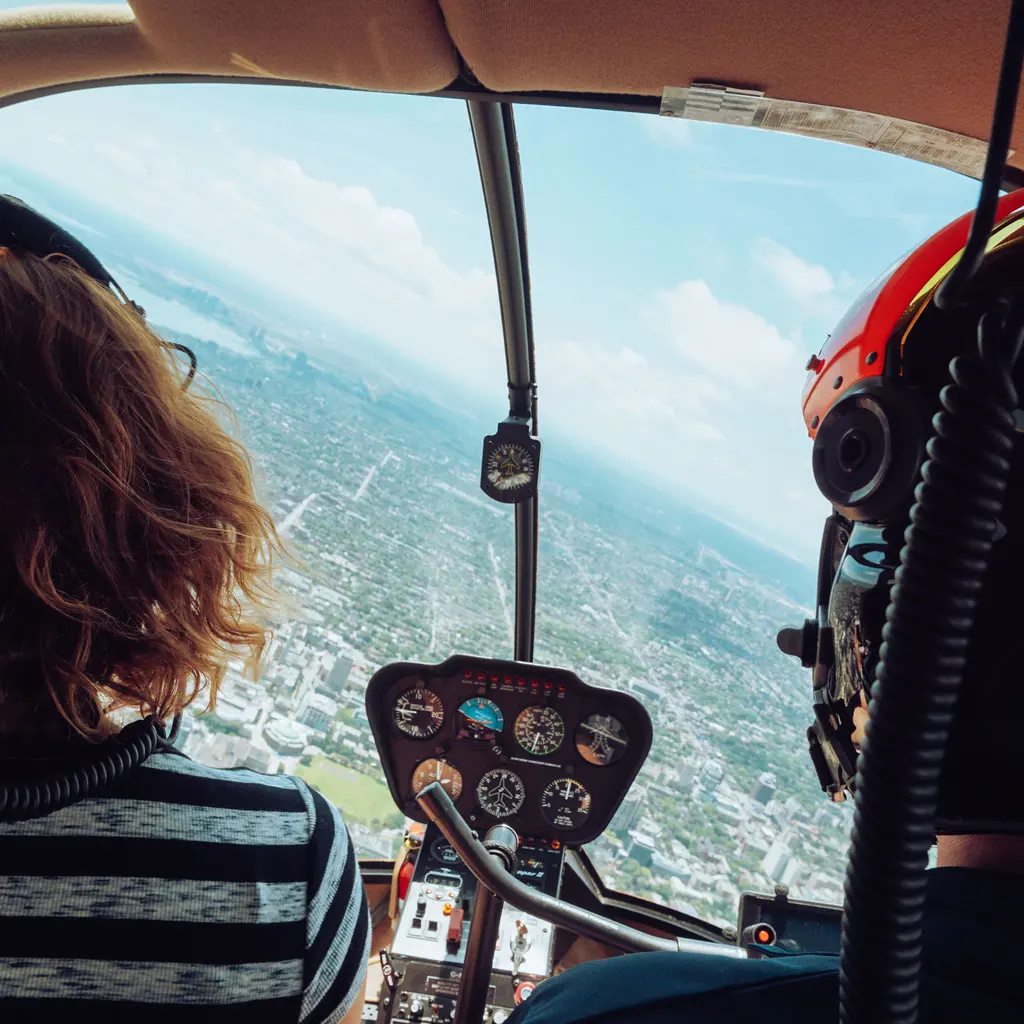
You take paying passengers on scenic flights, with check-in and boarding forming part of their trip. An injury on the ramp needs the aircraft and ground-handler duties examined; a compromised reservation system creates a separate privacy and response problem.
The Southern Agency can review your tour routes, boarding procedures, and customer-data handling to help you select appropriate insurance. For example, we can help you understand how aviation-specific liability covers passenger flights differently from how standard premises insurance covers your ground office.
Boarding, turbulence or an aircraft incident can injure passengers. Review the applicable aviation liability and passenger limits separately from a premises-liability heading.
Customers crossing the ramp, queuing at check-in, or boarding near rotor wash and propellers can be injured before or after a flight.
Scenic routes near coastlines, canyons, and mountains expose flights to changing weather and terrain, and schedule pressure during tourist season can heighten risk.
Identify the customer information held in reservation systems and by payment or booking providers. A compromise can create response costs and privacy claims; outsourcing does not by itself establish the policy response.
Pilots, ground handlers, and seasonal customer-service staff face injury exposure, and high seasonal turnover can complicate training and supervision.
Promotional photos, customer reviews, and advertising can lead to disputes if marketed experiences differ from what passengers receive.
Policies to ask about. Which ones fit depends on your operations, your contracts, and the carrier’s forms.
These hypothetical examples are not agency claim results. Whether a loss is covered depends on the facts, policy terms, and applicable exclusions.
Hypothetical: a tour passenger trips crossing the ramp toward a waiting helicopter. The boarding stage, aircraft operator, ground handler and passenger terms determine which aviation or premises coverage needs review. A trip on the ground does not itself make ordinary premises liability the right response.
Hypothetical: an attacker accesses the reservation system and exposes customer card data, prompting notification and response costs. Applicable cyber terms may address covered response and privacy claims if the systems, information, notice and provider conditions fit. Refunds and payment-processor charges need their own included terms.
Hypothetical: a van taking guests from their hotel to the airfield collides with another vehicle. Accepted business auto terms may address covered injury or damage claims, with damage to the van depending on selected physical-damage coverage. The vehicle, driver and passenger-shuttle use must fit; aircraft passenger limits do not establish the road response.
Start with the work you do and the questions your current policies leave unanswered. Carrier options depend on your location, risk, and underwriting. Explore our approach.
Aircraft insurance is one part of the review. Office property, guest shuttles and booking-data incidents involve other interests and terms. Include the guest’s path from check-in through boarding when comparing aviation and premises liability.
Passenger injuries during boarding or flight need appropriate aviation liability terms. Provide seats, aircraft types, flights, routes, and boarding arrangements, then compare passenger and occurrence limits with applicable contract requirements. Volume helps describe the operation; it does not establish an adequate limit.
Find out which booking and payment information you and your providers hold and who handles incident response. Compare first-party response and privacy-liability terms for those systems, including provider events, reporting, and consent. Payment-card obligations and customer refunds need their own review.
Seasonal hiring does not settle the employee-injury question. List the employers, pilot and ground roles, work locations, and payroll, then check applicable workers’ compensation requirements and which people and activities the policy insures. Coverage and benefits depend on those facts and terms.
Business auto coverage may respond to accidents involving company shuttle vehicles. Coverage depends on the specific policy, drivers, and how the vehicles are used.
Describe mountain, canyon or coastal routes, the season, and bases, and provide the operating authorization applicable to the flights. Separately review refunds and lost income when weather cancels a tour. A weather cancellation is not by itself evidence of insured aircraft damage or a covered business-income loss.
Bring your questions, current policies, and relevant contracts. An agent can review coverage terms, exclusions, and the information carriers ask for, then explain the options available to you.