Skip to content

Helicopter Charter Service Insurance

A remote landing or external-load job asks different things of your helicopter operation than an ordinary passenger trip. Those mission details need to be part of your aviation coverage, not left under a general charter description.

The Southern Agency can help you verify that your aviation and premises insurance matches your specific flight and ground tasks.

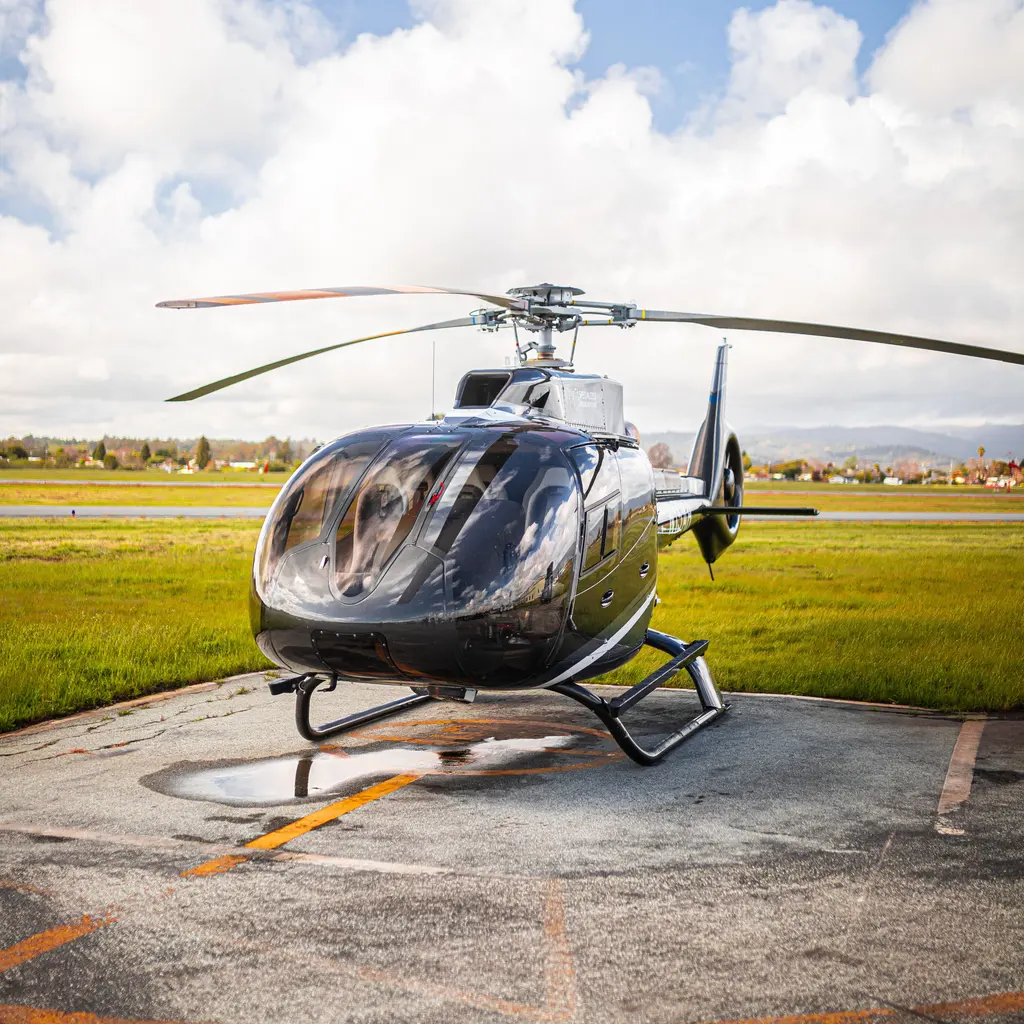
A passenger helicopter rests on its skids on a paved airfield apron.

Industry overview

You may fly passenger transfers, photography jobs or utility missions, each with different landing and ground-handling arrangements. Boarding near rotors, working at a confined site or carrying an external load creates risks that a general passenger-charter description can miss.

The Southern Agency can review your helicopter missions, landing sites, and ground support to help you choose insurance. We can compare aviation liability with premises protection, including how boarding and utility work fit the proposed terms.

Risks worth discussing

Low-altitude and confined-site operations

Work close to terrain, structures or people and landings at unimproved sites require the actual mission and landing environment to be identified. A passenger-charter description alone does not describe every site or task.

Rotor wash and ground proximity hazards

Boarding and loading near spinning main and tail rotors expose passengers, crew, and bystanders to serious ground injury.

Utility and external-load missions

Sling loads and specialized work create the potential for dropped loads or damage to third-party property and people below the aircraft.

Helipad and landing-zone exposure

A site owner’s premises duties and the visiting aircraft operator’s responsibilities can both matter at rooftops, remote pads, and customer sites. The location of an injury does not by itself make it a premises-only claim.

Maintenance responsibilities

Frequent flight cycles and rotorcraft maintenance create scheduling and recordkeeping duties. Identify the owner, operator and maintenance provider rather than assume every maintenance-related incident belongs to one party.

Specialized crew injuries

Pilots and ground crew working near running aircraft and external loads face injury hazards. Their employers, duties, and work locations matter to employee-injury obligations.

Situations to think through

These hypothetical examples are not agency claim results. Whether a loss is covered depends on the facts, policy terms, and applicable exclusions.

  1. Hypothetical: Bystander injury from rotor wash

    Hypothetical: debris kicked up by rotor wash at a landing zone injures a bystander. Aviation liability may pay covered defense costs and damages for the insured operation. The landing-zone location does not make ordinary premises liability evidence of rotorcraft coverage.

  2. Hypothetical: Dropped external load

    Hypothetical: a released sling load damages property below the aircraft. Aviation liability written for the actual external-load operation may pay covered third-party damages. Damage to the load itself is a separate property or cargo question, not established by liability for the property below.

  3. Hypothetical: Damaged survey equipment

    Hypothetical: specialized sensors for a survey mission are damaged in transit. Inland marine may pay if the sensors, insured interest and actual transport stage fit its terms. If damage occurs aboard the aircraft, the applicable air-transit or aviation-property terms must include that stage.

Before you talk to an agent

What to have ready

Tick items as you gather them. Nothing here is saved or sent.

Questions to raise

  • Describe passenger, offshore, utility, photography, and survey work separately, with actual external-load operations. A mission added to the business is not automatically added to the insurance.
  • Identify landing-zone owners, access, and boarding responsibilities, people and property nearby, and who controls ground handling. Site premises and aviation liability can involve different parties and terms.
  • Distinguish ordinary passenger carriage, non-human external loads and any human external-cargo work. FAA external-load classes and authorizations differ; do not assume a passenger-charter description proves approval or cover for every load operation.
  • List sensors, cameras and lift gear, ownership, values and whether each item is stored, road-transported, carried in flight, installed or used while airborne. Compare those stages with the actual equipment and aviation-property terms.
  • Identify professional survey or analytical deliverables separately from flying and physical utility work, and list crew employers and work locations. Service promises and job titles do not establish E&O or employee-injury protection.

Contract terms to check

  • Passenger, utility and survey agreements should describe the work, operating party, professional deliverables and promises about timing or results. Compare the duties with declared aviation uses and any insured professional services rather than assume a contract creates cover.
  • Landing-site and ground-service agreements should identify access, boarding, ground handling, site control, and the parties’ insurance requests. Read the actual endorsements; a certificate does not amend the policy.
  • Equipment, aircraft-owner, and external-load arrangements should identify ownership, custody, maintenance, loss valuation, and responsibility for the load versus property beneath it. Match the agreed duties to actual aviation and property terms.

What the agent conversation looks like

Start with the work you do and the questions your current policies leave unanswered. Carrier options depend on your location, risk, and underwriting. Explore our approach.

  1. ListenReview your operations, current coverage, and past claims.
  2. AssessIdentify potential hazards and discuss ways to reduce risk.
  3. BuildDiscuss policy and carrier options, premium costs, and audits.
  4. SupportReview changes and help you plan ahead as your needs develop.

Questions owners ask

Why does helicopter charter need different coverage than fixed-wing?

The relevant differences are the actual aircraft, missions, rotor hazards, landing sites, and loads, not the charter label alone. Aviation hull and liability terms need to fit that work. Passenger carriage, utility operations and survey services can coexist but are not interchangeable insured uses.

Are external-load and utility missions covered?

Aviation liability may pay covered third-party damages when the actual load and mission are insured. Damage to the load itself needs separate property or cargo treatment. Describe non-human loads and any human external-cargo work, and identify actual operating authorizations; neither a passenger-charter label nor a generic liability limit establishes every mission’s approval or cover.

What about landing at rooftops or remote sites?

Identify the site owner, aircraft operator, and boarding or ground-handling responsibilities. Aviation liability may address insured aircraft-related injury or damage, while premises terms address the insured site duties. A rooftop, helipad or customer-site location does not make rotorcraft activity ordinary GL.

Is specialized onboard equipment protected?

Equipment insurance may pay covered physical loss, but the sensors, cameras or lift gear and their actual use and transport stages must fit. Ground storage, air transit, installation, and airborne use are different questions. A portable-equipment description or inland-marine heading alone does not prove onboard or in-use cover.

Are pilots and ground crew covered for injuries?

Workers’ compensation is generally required for employees under state law, but actual employers, duties, and work locations determine the obligations and policy questions. Include outside ground providers and specialized load work in that review. A crew title or payroll class is not proof that every person and activity is insured.

Does my mission mix affect cost and availability?

Describe the actual aircraft, landing zones, passenger, and specialized work, load configurations, flight cycles, pilot experience, and loss record. Those facts inform underwriting and the proposed insured uses. Adding utility, survey or external-load work to the business does not itself extend an existing policy.

Talk through your helicopter charter service coverage

Bring your questions, current policies, and relevant contracts. An agent can review coverage terms, exclusions, and the information carriers ask for, then explain the options available to you.

How can we help you get started?

Choose the quote that fits, and we’ll take it from there.

Have a question? Contact us