

Skip to content

Aviation & Aerospace Insurance

Flying, servicing aircraft and developing flight hardware create very different responsibilities. Your coverage should reflect your role, without assuming an ordinary business policy includes aviation work.

The Southern Agency can help you compare flight, component or research activities with the specialist insurance terms they need.
Explore insurance for 16 business types.

Find your business

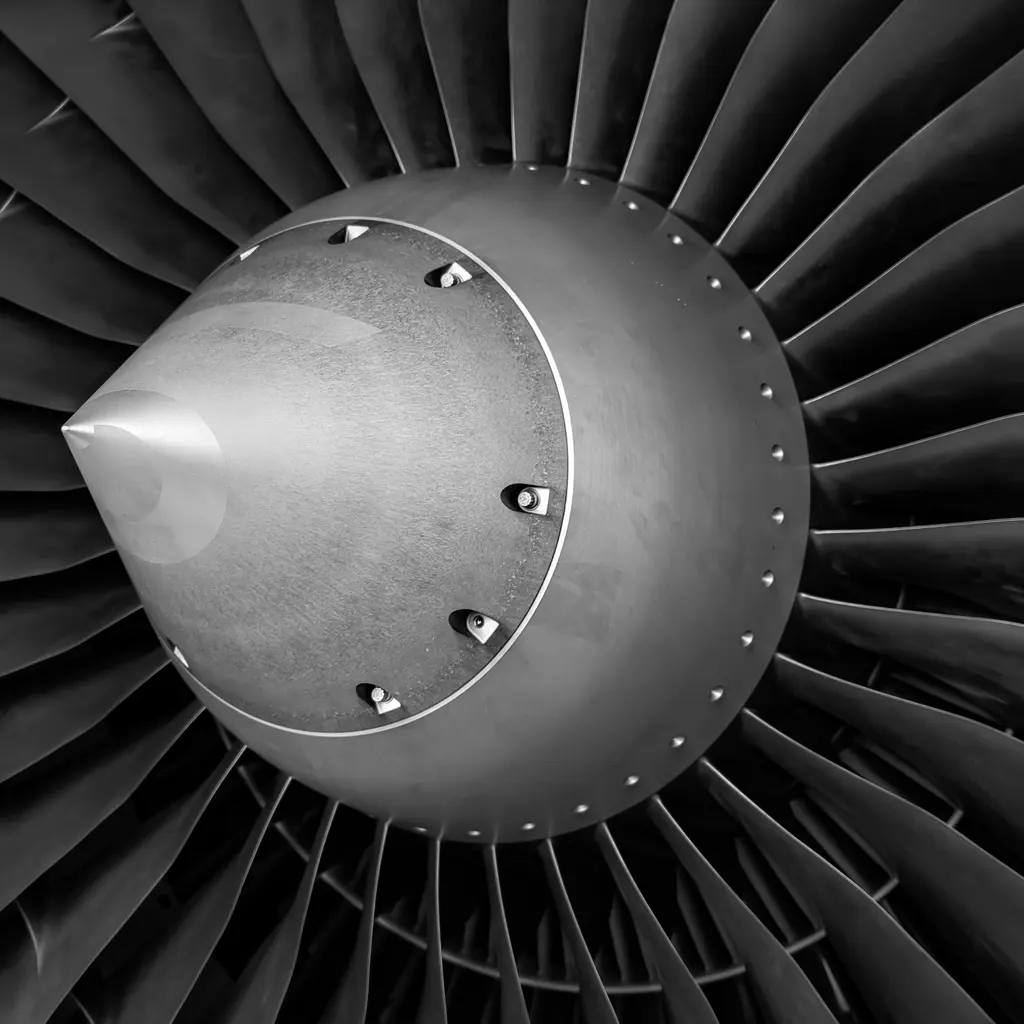
Close view of an aircraft engine's fan blades and central spinner.

Operations within this group

You may fly passengers or freight, maintain aircraft, make components or carry out aerospace research. A flight accident, damaged test article or failed component can involve very different costs and responsibilities.

The Southern Agency can review your specific flight, ground or technical work to help you compare insurance. Aircraft and aviation liabilities need specialist terms rather than assumptions based on an ordinary premises or product policy.

Find your business

Choose your business type to discuss insurance with The Southern Agency. If it isn’t listed, call an agent to ask whether we can place it.

  1. Aerial Tour CompanyAerial tour insurance considers passenger flights, boarding and ramp duties, scenic routes, seasonal crews, guest shuttles and reservation systems.
  2. Aerospace R&D LaboratoryAerospace laboratory insurance for test-data claims, specialized chambers, customer articles and confidential research.
  3. Air Cargo CarrierYou operate scheduled air cargo lift, managing sorting hubs, freight build-up and surface logistics.
  4. Air Taxi ServiceInsurance questions for on-demand flights, passenger safety, ground staff, and booking systems.
  5. Cargo Charter OperatorYou arrange or operate on-demand freight flights for urgent or oversized shipments, often working on short notice.
  6. Charter Flight OperatorYou provide on-demand passenger flights and may manage aircraft on behalf of other owners, including crew and maintenance coordination.
  7. Commercial Spaceflight OperatorInsurance for commercial spaceflight operators carrying participants and customer payloads.
  8. Helicopter Charter ServiceInsurance for rotorcraft operators performing passenger transport and specialized aerial utility missions.
  9. Major AirlineEnterprise insurance for national scheduled carriers with large workforces and terminal networks.
  10. Medical Evacuation FlightAir ambulance services delivering critical care transport with medical equipment and patient data.
  11. Orbital Research StationOrganizations managing orbital platforms for microgravity research, manufacturing, and payload integration.
  12. Private Jet CharterPrivate jet charter insurance considers passenger and vendor duties, confidential itineraries, owner-management services, crew employers and custody of deposits.
  13. Regional Commuter AirlineYour regional airline manages scheduled passenger routes across multiple stations, often working with partners through codeshare or capacity-purchase agreements.
  14. Rocket Launch FacilityLaunch facility insurance considers pad and fueling infrastructure, tenant versus site duties, propellant releases, system failures and ground-crew employers.
  15. Satellite Manufacturing PlantYour manufacturing plant uses precision cleanrooms and testing chambers to assemble complex spacecraft from a global supply chain.
  16. Space Probe DeveloperYour developer team designs and validates robotic spacecraft for long-duration scientific missions, blending intensive software and engineering work with precise fabrication.

Risks across this group

Catastrophic severity

Incidents in aviation can carry exceptionally high injury and damage costs compared with most industries.

Product and component failure

Manufacturers and suppliers face significant exposure if a part is alleged to have failed.

Maintenance and service errors

Repair and maintenance mistakes can lead to serious claims tied to airworthiness.

Ground operations hazards

Fueling, towing, and handling aircraft on the ground create injury and property exposures.

Regulatory compliance

Strict oversight means lapses can carry legal and operational consequences.

High-value property

Aircraft, hangars, and specialized equipment represent substantial property values to protect.

Situations to think through

These hypothetical examples are not agency claim results. Whether a loss is covered depends on the facts, policy terms, and applicable exclusions.

  1. Hypothetical: Component failure allegation

    Hypothetical: a supplied component allegedly fails and damages other property. Specialized aviation products liability may respond to a covered claim, subject to the insured product, territory, and exclusions; replacement of the component itself is a separate issue.

  2. Hypothetical: Ground-handling damage

    Hypothetical: a business damages an aircraft it is towing. Review aircraft-in-custody or other applicable aviation liability terms; ordinary premises liability may not cover the aircraft.

  3. Hypothetical: Engineering error allegation

    Hypothetical: a sponsor alleges negligent engineering in a spacecraft design. Professional liability needs review against the services, aerospace exclusions, and contract terms. A promised mission outcome does not itself establish an insured loss.

Before you talk to an agent

What to have ready

Tick items as you gather them. Nothing here is saved or sent.

Questions to raise

  • Choose a member page by business role: carrying passengers, developing hardware, or performing research. A launch operator and a satellite manufacturer should not share an assumed coverage package.
  • Bring aircraft schedules and pilot information for flight operations; bring product descriptions, test procedures, and customer contract provisions for research and manufacturing. Identify handoffs to integration, launch, and transport partners.

Contract terms to check

  • Aviation businesses frequently face contractual and regulatory expectations for substantial liability limits, and airport authorities, lessors, and clients commonly require specific coverage and additional-insured status. Manufacturers and repair stations often need product and professional coverage tied to the components and services they provide.

What the agent conversation looks like

Start with the work you do and the questions your current policies leave unanswered. Carrier options depend on your location, risk, and underwriting. Explore our approach.

  1. ListenReview your operations, current coverage, and past claims.
  2. AssessIdentify potential hazards and discuss ways to reduce risk.
  3. BuildDiscuss policy and carrier options, premium costs, and audits.
  4. SupportReview changes and help you plan ahead as your needs develop.

Questions owners ask

Why is aviation insurance so specialized?

The severity potential and regulatory complexity of aviation require coverage tailored to each role, which is why programs are highly specialized.

Do parts suppliers really need product liability?

Suppliers often include product liability in their programs because an alleged component failure can contribute to a serious incident. Coverage depends on the specific policy and underwriting.

Are hangars and aircraft covered under standard property policies?

High-value aviation assets often require specialized property and equipment coverage rather than relying solely on a standard property policy.

What limits do airports and lessors require?

Required limits vary and can be substantial. Airport authorities and aircraft lessors commonly specify them in their agreements.

Does workers compensation apply to aviation technicians?

Workers compensation is generally required for employees under state law because technicians and ground crews perform hazardous work. Availability depends on underwriting.

Tell us what your aviation & aerospace business does

Bring your questions, current policies, and relevant contracts. An agent can review coverage terms, exclusions, and the information carriers ask for, then explain the options available to you.

How can we help you get started?

Choose the quote that fits, and we’ll take it from there.

Have a question? Contact us