

Loss of irreplaceable research data
Mission control and data systems hold experiment results customers depend on, and a breach or system loss can destroy work that cannot be repeated.
Try a different word, or check the spelling.
Your research customers may depend on results that would be difficult to obtain again. Protecting mission data raises different insurance questions from repairing a ground lab or replacing hardware in orbit.
The Southern Agency can help you review ground facilities, customer research duties and data arrangements.
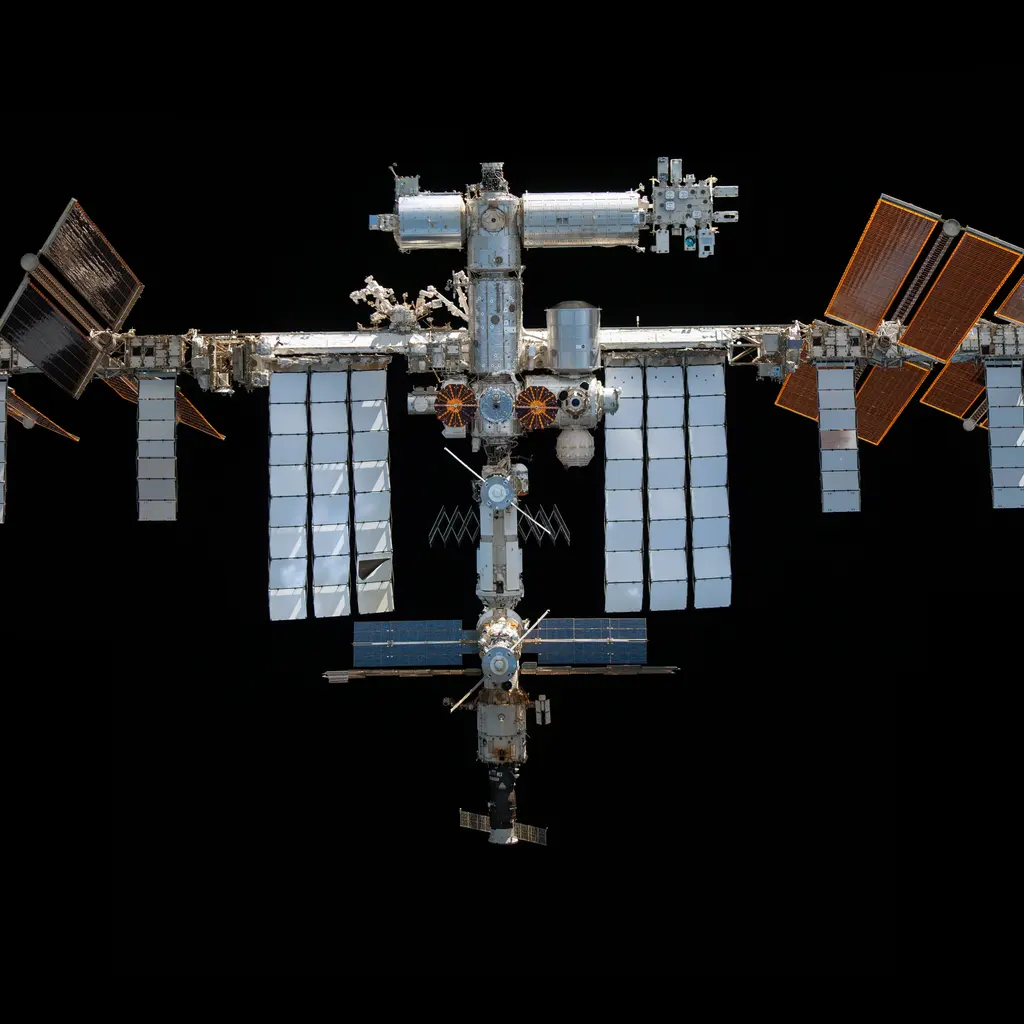
You may be developing or operating a platform that hosts customer experiments and instruments in orbit. Research-service promises, lost data and damage at a ground integration lab involve different interests from an asset during launch or in space.
The Southern Agency can help you review insurance for your ground facilities, workforce and research-service agreements. Review launch, orbital assets and crew interests separately with specialist advisers rather than relying on those business policies.
Mission control and data systems hold experiment results customers depend on, and a breach or system loss can destroy work that cannot be repeated.
Errors in payload integration, scheduling, or data delivery can leave research customers without results and lead to professional liability claims.
Damage to mission control, labs, or data centers can halt operations and interrupt the services customers and partners rely on.
Allegations about oversight, investor disclosures or stewardship of grants can lead to claims against leaders. Repaying funding or losing an investment is a different financial issue from defending an insured management claim.
Hiring, supervision and termination decisions involving research and technical staff can lead to discrimination, harassment, or wrongful-termination allegations. Identify the employer and worker relationship rather than assume every partner's personnel are the operator's employees.
Astronauts, mission controllers, and laboratory staff face different work hazards. Identify actual employers, duties, and jurisdictions; being part of the same program does not establish the same employee-injury obligations or insurance for ground and orbital work.
Policies to ask about. Which ones fit depends on your operations, your contracts, and the carrier’s forms.
These hypothetical examples are not agency claim results. Whether a loss is covered depends on the facts, policy terms, and applicable exclusions.
An intrusion exposes confidential customer experiment data and creates notification and forensic costs. Cyber insurance may pay covered response expenses and liability costs. Notice duties depend on the data and applicable obligations; neither those duties nor a response payment establishes reimbursement of the results’ full scientific value.
An integration error causes a customer's experiment to return unusable data, and the customer seeks damages. Professional liability expressly covering that integration service may pay insured defense costs and damages. A promise to deliver usable results, repeat the experiment or refund its price is not itself proof that those obligations are insured.
An investor alleges that the board mismanaged grant funds, creating defense costs. D&O may pay covered defense expenses for insured leaders or entities under the applicable provisions. The allegation and insured parties must fit the policy; repayment of the grant is not automatically part of a covered defense claim.
Start with the work you do and the questions your current policies leave unanswered. Carrier options depend on your location, risk, and underwriting. Explore our approach.
A property policy on mission control, labs or data facilities does not establish protection for a station or experiment during launch or in orbit. Identify the asset, owner, custody, and mission phases and the space terms that insure them. Ground facilities, research-service liability, data, and orbital property are different interests; the operation's name does not establish a complete program.
Oversight, investor disclosures, or grant stewardship can lead to allegations against leadership. D&O may pay covered defense costs and damages for insured claims. Payment for leaders, reimbursement when the company indemnifies them and claims against the company involve different terms. Repaying a grant or losing funding is not automatically an insured management claim.
Cyber insurance may pay covered investigation, response, restoration, or liability costs after a compromise of research systems or customer information. Identify the data, providers, and recovery needs. Notification duties depend on applicable obligations; a cyber payment for response does not establish reimbursement for an invention's value or research that cannot be recreated.
An allegation of faulty integration, scheduling or data delivery can create defense costs and a damages demand. Professional liability may pay if it expressly insures the services and claim involved. A failed experiment, scientific-results promise, refund or obligation to repeat work does not by itself prove coverage, and liability insurance is different from insuring a payload as property.
Workers’ compensation is generally required for employees under state law and may pay covered job-injury benefits for controllers and lab staff. Identify actual employers, worker relationships, jurisdictions, and ground versus flight duties. A crew title does not establish employment status, and ground-staff terms do not prove protection for an astronaut aboard the station.
Discrimination, harassment or wrongful-termination allegations can arise from employment decisions involving research and technical staff. EPL may pay covered defense costs and damages for insured parties and claims. Identify the employing entities and worker relationships; it is separate from physical-injury benefits and does not automatically pay every payroll or labor obligation.
Bring your questions, current policies, and relevant contracts. An agent can review coverage terms, exclusions, and the information carriers ask for, then explain the options available to you.