

Errors in research, analysis, or test data
Faulty calculations or test results a client relies on for flight hardware can trigger professional liability claims if components later underperform or fail.
Try a different word, or check the spelling.
Your customer may use a test result to approve flight hardware. Professional liability for that result is different from coverage for a damaged chamber or test article.
The Southern Agency can help you separate research-service claims from test equipment and customer-article losses.
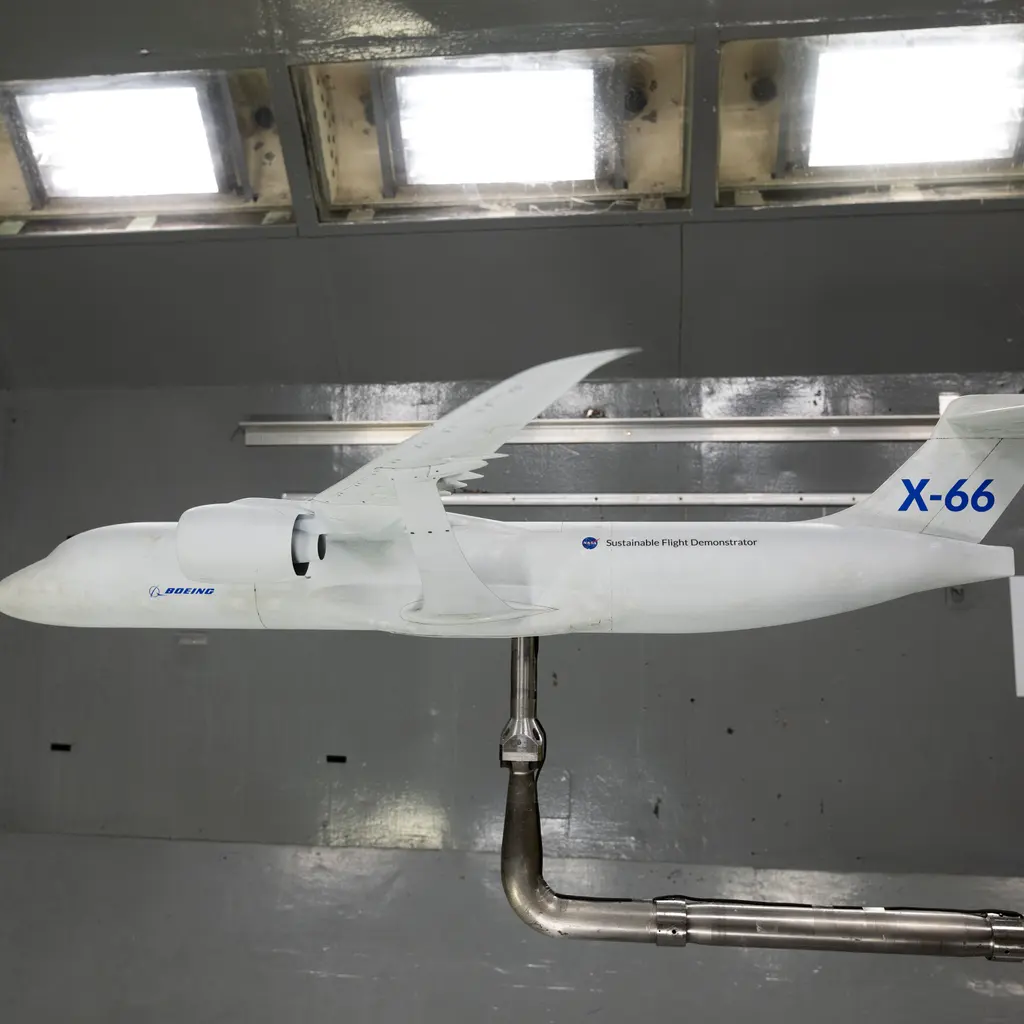
You develop prototypes, test materials and analyze results for aerospace manufacturers and defense programs, using specialized chambers and wind tunnels. A miscalibrated test, a fire or a compromised research dataset can disrupt your client projects and lead to liability claims.
The Southern Agency can review your testing protocols, equipment, and data security to help you select appropriate insurance. For example, we can compare coverage for an equipment breakdown in your wind tunnel against professional liability for errors in the data you deliver to clients.
Faulty calculations or test results a client relies on for flight hardware can trigger professional liability claims if components later underperform or fail.
Wind tunnels, vacuum or thermal chambers and precision instruments are costly to repair. Physical damage or an internal failure can halt active research programs.
Fuels, solvents, composites, and reactive chemicals used in testing create fire, explosion, and environmental contamination exposure.
Labs hold valuable intellectual property and client research, making cyber intrusion and data theft a significant exposure.
Staff operating test rigs, machinery, and chemical processes face burns, exposure, and impact injuries during experimental work.
Prime contractors and government programs often impose specific insurance limits and indemnification terms that the lab must satisfy.
Policies to ask about. Which ones fit depends on your operations, your contracts, and the carrier’s forms.
These hypothetical examples are not agency claim results. Whether a loss is covered depends on the facts, policy terms, and applicable exclusions.
A client alleges that erroneous fatigue-test results led it to qualify a part that later cracked. Professional liability covering the laboratory’s aerospace testing services may pay covered defense costs and damages. The claim must fit the insured services and physical-damage and contractual-liability terms; the policy is not a guarantee of component performance.
A storage failure releases solvents, creating cleanup and reporting costs. Pollution liability may pay covered remediation costs and any covered third-party claims. The release must meet the policy’s location, substance, and reporting terms; the existence of a reporting duty does not make every related expense insured.
A thermal-vacuum chamber suffers a sudden electrical failure mid-program, stopping testing, and requiring repairs. Equipment breakdown may pay covered repair costs. Recovery of research income or delay expenses depends on the applicable income or extra-expense cover, rather than following automatically from the repair payment.
Start with the work you do and the questions your current policies leave unanswered. Carrier options depend on your location, risk, and underwriting. Explore our approach.
Clients use the laboratory’s analyses and test data to make decisions about flight hardware. Professional liability may cover defense and damages from errors in insured services, but the declared aerospace work and exclusions must fit the claim. A component warranty, an obligation to repeat work and a customer’s physical loss are not automatically the same insured liability.
Property insurance may cover damage from insured causes such as fire; equipment breakdown addresses specified mechanical or electrical breakdowns. Both need the actual chambers, wind tunnels, and instruments and their values. Customer articles inside a chamber, failed experiments, ordinary wear, and research-delay costs need their own treatment.
Stored or tested fuels, solvents and reactive chemicals can create cleanup and third-party injury or property claims after a release. Pollution liability may cover specified conditions at insured locations. Identify the materials, processes, storage, waste handling and reporting provisions instead of assuming any environmental policy pays for every release or regulatory expense.
Cyber insurance may pay covered incident investigation, response, restoration, and liability costs after designs or client data are compromised. That response is different from paying the full competitive value of an invention or resolving patent ownership. Identify the information, providers, recovery needs, and relevant policy terms.
The actual government or prime-contractor agreement may specify limits, coverages, or endorsements. Compare its insurance schedule and indemnities with the policy documents before assuming the duties are insured. A certificate does not amend coverage, and a requested limit does not make every accepted obligation covered.
Clients, auditors and contractors can suffer injury or property damage during a visit even if visitor numbers are low. GL may cover insured premises claims. Testing errors, pollution, damage to customer articles in custody and aircraft-related work need separate treatment; a small visitor count does not answer those questions.
Bring your questions, current policies, and relevant contracts. An agent can review coverage terms, exclusions, and the information carriers ask for, then explain the options available to you.