

Debris thrown by mowers
Mowers and trimmers can fling rocks and objects that injure bystanders or damage windows, siding, and parked vehicles.
Try a different word, or check the spelling.
The mower or sprayer on your trailer may be needed at every remaining stop. Equipment theft and damage protection deserves attention, without assuming it also pays for wear or an idle crew.
The Southern Agency can review your maintenance routes and application duties to help you select appropriate insurance.
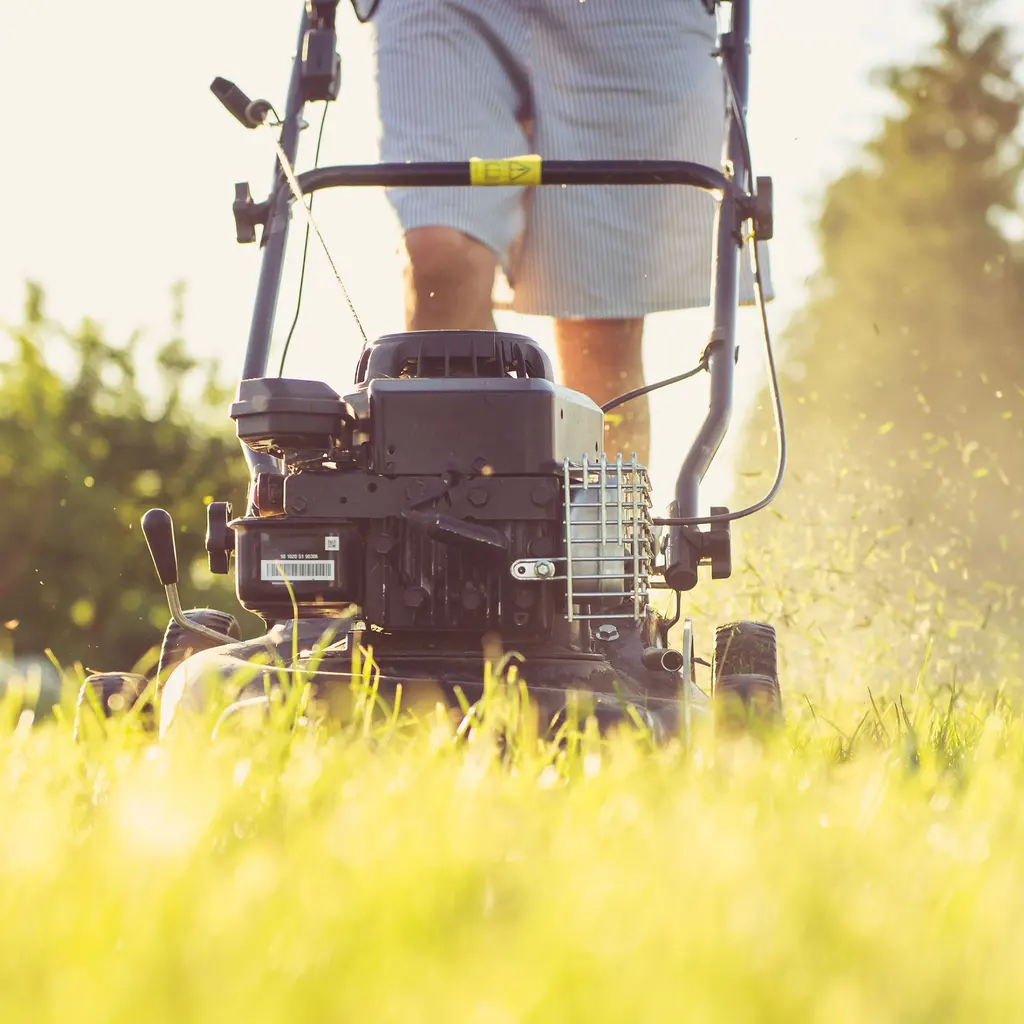
You mow and edge across recurring residential or commercial stops, moving machines between properties throughout the day. Thrown debris can reach parked cars or windows. If you also treat lawns, application errors, drift and runoff add different questions from ordinary mowing damage.
The Southern Agency can review your maintenance routes and application duties to help you select appropriate insurance. For example, we can clarify how your policy distinguishes between property damage from mowing versus chemical runoff.
Mowers and trimmers can fling rocks and objects that injure bystanders or damage windows, siding, and parked vehicles.
Fertilizers, herbicides, and pesticides can drift, run off, or be misapplied, harming landscaping, pets, or neighboring property.
Mowers, blowers, sprayers and trailers can be stolen or damaged while stored, towed, or used on routes. Internal failure, wear and the cost of an idle crew differ from theft or other physical damage.
Repetitive motion, heat, blade contact, and lifting expose crews to injuries across many stops each day.
Mowing and trimming can scar landscaping, irrigation heads, fences, or hardscape on a client's recurring property.
Frequent stops, towing, and loading and unloading equipment raise the chance of auto and trailer-related incidents.
Policies to ask about. Which ones fit depends on your operations, your contracts, and the carrier’s forms.
These hypothetical examples are not agency claim results. Whether a loss is covered depends on the facts, policy terms, and applicable exclusions.
Hypothetical: a mower throws a rock into a client's parked car. GL may address covered resulting damage under accepted mowing duties and affected-property terms. Record the cause and repair needed; the car owner's demand alone does not establish every claimed cost or responsibility.
Weed control drifts onto a neighbor's garden and kills plants. Environmental or liability terms may address covered resulting harm if the actual product and application or drift operation are included. Preserve product, application, weather, and affected-property records and review treated-property and pollution restrictions. This is different from repeating a treatment that failed to control weeds on the intended lawn; licensing alone does not establish coverage.
A loaded equipment trailer is involved in a collision en route to a job. Auto terms may address covered third-party liability or selected insured vehicle damage, while equipment terms may address covered loss to insured carried machines. Separate the truck and trailer, mower or sprayer load and any chemical release under actual towing, loading, and property terms. The collision does not establish damage to every interest, and business auto alone does not pay the entire incident.
Start with the work you do and the questions your current policies leave unanswered. Carrier options depend on your location, risk, and underwriting. Explore our approach.
Discuss liability for resulting harm, employee benefits, vehicles, mobile equipment, shop, and chemical stock and actual application needs together. Describe recurring routes and all installation, hardscape or hired treatment work performed. Eligibility depends on accepted operations, employers, and contracts; applying treatments does not automatically add environmental coverage or establish that every product is accepted.
GL may address covered resulting injury or property damage, such as a dented parked car or broken window. Review actual mowing duties, affected property, and work-property or other restrictions. Correcting routine lawn damage or meeting a maintenance promise does not automatically follow from a third-party damage claim.
Liability or pollution terms may address covered resulting harm or cleanup if the actual product, application, drift, and runoff operations are included. Review intended and neighboring property, reporting and exclusions rather than rely on a policy name or credential. Product, use and jurisdiction determine credential requirements; ordinary reapplication, poor growth, turf warranties, and penalties are separate from covered harm.
Auto terms may address covered vehicle liability and selected physical damage for insured trucks and trailers on routes. Describe drivers, stops, towing and loading. The mower, sprayer or chemical load is a separate property interest, and a road or job-site location alone does not decide every auto or GL claim.
Inland marine may help replace insured mowers, blowers and sprayers after covered theft. Confirm owned or rented items, values, valuation, deductible, and overnight vehicle or trailer security and location terms. Insuring the trailer itself does not automatically insure its contents, and theft coverage does not establish internal-breakdown or downtime protection.
Bring your questions, current policies, and relevant contracts. An agent can review coverage terms, exclusions, and the information carriers ask for, then explain the options available to you.