Skip to content

Packaging And Labeling Service Insurance

A client-approved label still has to reach the right product on your line. Coverage for an error needs to distinguish relabeling the run from damage to goods or an injury claim.

The Southern Agency can review the products and stock you handle, who approves each label and what your client agreements require after an error.

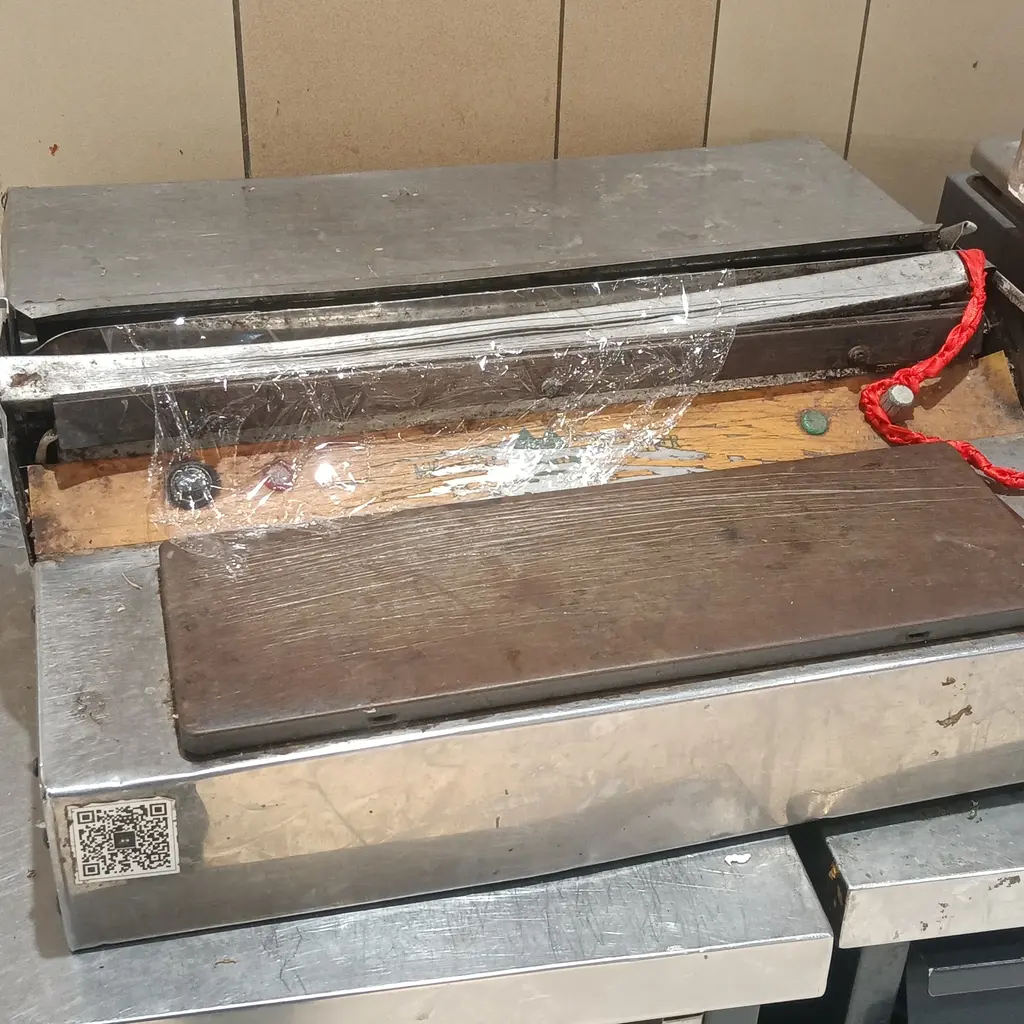
Commercial packaging equipment with clear film and a sealing bar.

Industry overview

You fill, pack, and label products for other businesses, which can lead to liability if a label is incorrect or a batch is contaminated. Your management of client stock and use of complex line machinery add risks to your property and operations.

The Southern Agency can help you review your packaging processes and client agreements to select appropriate insurance. We can discuss how to protect your line and inventory, for example, by comparing coverage for internal machinery failures against income loss or customer withdrawal demands.

Risks worth discussing

Mislabeling and labeling errors

A wrong ingredient panel, warning or date can lead to an injury claim or a demand to hold and relabel a run. Identify the product, applicable duties, and who created, approved, and applied the label. If only labels must be reprinted, the claim may be a financial error rather than covered injury or property damage.

Product contamination during packaging

Filling or repacking can introduce contamination or unintended allergen contact where those materials are handled. Separate resulting injury or damage to contents from testing, held stock, withdrawal, and replacement; one contamination concern does not establish all those coverages.

Damage to clients' goods in care

A fire or handling incident can damage bulk contents, work in progress, and finished client stock together. Identify the owners, maximum values at one site, and processing performed. Some forms insure goods directly; others depend on your covered legal responsibility for the damage.

Machinery breakdown and interruption

Failure of a filler, labeler, sealer, or conveyor can stop a whole run. Internal breakdown, wear, wrong settings, and an undamaged line delayed by missing materials are different causes. Even if the repair is covered, income and late-delivery costs need their own terms.

Warehouse and machine injuries

Line work, cleaning, lifting, loading, and forklift traffic expose staff to caught-in, strain, and struck-by injuries. Describe actual duties and temporary staffing arrangements rather than using one office classification for all staff.

Recall and contractual liability

A client may demand withdrawal, disposal, replacement, or compensation for delay after a packaging error. An indemnity or guarantee can extend the demand beyond injury liability or insured stock damage; signing it does not add those payments to a policy.

Situations to think through

These hypothetical examples are not agency claim results. Whether a loss is covered depends on the facts, policy terms, and applicable exclusions.

  1. Hypothetical: Allergen mislabeling

    Hypothetical: A packed food carries a label missing an applicable allergen statement, and a consumer alleges an allergic injury. Product liability may help pay defense and covered injury damages if the food and packaging operation are insured. The client's relabeling, withdrawal, destruction, and replacement costs need separate terms. A recall notice alone does not mean an injury claim has occurred or withdrawal costs are covered.

  2. Hypothetical: Warehouse fire destroys client goods

    Hypothetical: A fire destroys a client's finished stock awaiting collection. A property-of-others or selected bailee form may help pay covered stock loss, but confirm insured interests, fire cause, site, valuation, and peak limits. If the form instead covers legal liability, the packer's covered responsibility matters. The client's lost sales or replacement deadline are not automatically part of the stock payment.

  3. Hypothetical: Labeler breakdown halts a line

    Hypothetical: A labeler drive suffers internal damage and stops a run before a shipment deadline. Equipment breakdown may help fund a covered repair; purchased income terms may help with the firm's defined loss after applicable waiting time. Wear or routine adjustment may be treated differently, and the client's late-delivery penalty is not automatically part of either payment.

Before you talk to an agent

What to have ready

Tick items as you gather them. Nothing here is saved or sent.

Questions to raise

  • Match liability review to the actual products and steps: applying supplied labels, designing or printing them, opening containers, filling, mixing if performed, and releasing finished goods. For food or other regulated work, obtain product-specific advice on duties. Ask how injury, damaged contents, an undamaged labeling error and recall are treated rather than counting them as one product claim.
  • Compare the largest combined customer-stock value at each site with the interests and valuation insured, including bulk ingredients, packaging, work in progress, and finished goods. Review storage and handling separately from processing, contamination, and transit. A client ownership list or contractual promise to replace everything does not establish a covered loss or sufficient limit.
  • Map the fillers, labelers, sealers, conveyors, and shared utilities that can stop each run. Compare covered internal failures with wear and ordinary production problems, then estimate repair and restart time, stock loss, and your own income or extra expense under purchased extensions. A customer shipment commitment is not the policy's income calculation.
  • Review indemnities, rejected-goods remedies, rework, recall authority, and delay guarantees before agreeing to them. Separate statutory product duties, negotiated client obligations, and insurance conditions. Check how any offered error or recall terms address the actual packaging service and expenses, not just whether a certificate uses the requested coverage name.

Contract terms to check

  • Allocate responsibility for ingredients and product specifications, label content and versions, proofs, line setup, checks, release, and later changes. Keep approval and lot records appropriate to the product and applicable obligations; get qualified advice on retention rather than adopting a blanket period. A signed proof helps investigate the allegation but does not decide liability or insurance.
  • Define when custody begins and ends, the locations and processing authorized, stock ownership, declared values, loss valuation, and any limitation of responsibility. Review damage during filling or labeling separately from storage and delivery. Compare client promises to replace goods at full value with the direct-property or legal-liability basis and limits actually insured.
  • Agree who can stop work, hold or withdraw goods, communicate with customers, investigate, relabel, dispose of stock, or approve replacement. Compare those costs, contractual refunds and delay remedies with any offered error, contamination, or recall terms and required notice or consent. Do not promise an insurer-funded recall or wait for a client decision before meeting policy notice duties.
  • Read the actual requested insured parties, limits, completed-work protection, waivers, and certificate wording. Where clients request crime, fidelity or a bond because staff can access inventory or secure areas, identify the instrument, beneficiary, and loss it addresses. A certificate does not amend the policy, and a bond or inventory-theft grant is not automatically defective-packaging or recall protection.
  • For outside processors, carriers, temporary staff and client-site work, identify who performs, supervises, transports and employs each role and what custody or access they receive. Review their insurance evidence alongside your own responsibilities and accepted work. A provider's lack of insurance does not automatically make every claim yours, and its certificate does not establish your protection.

What the agent conversation looks like

Start with the work you do and the questions your current policies leave unanswered. Carrier options depend on your location, risk, and underwriting. Explore our approach.

  1. ListenReview your operations, current coverage, and past claims.
  2. AssessIdentify potential hazards and discuss ways to reduce risk.
  3. BuildDiscuss policy and carrier options, premium costs, and audits.
  4. SupportReview changes and help you plan ahead as your needs develop.

Questions owners ask

Why does a packaging firm need product liability?

An incorrect label, contamination or packaging failure can lead to alleged injury or property damage from a product you handled. Product protection may help pay defense and covered liability for insured products and operations, sometimes within general liability. Check who supplies and approves the contents and label. Describe the actual work and ask which rework, refund, rejected-run, or withdrawal costs, if any, your terms include.

Are clients' products covered while in our facility?

Selected property-of-others or bailee protection may help pay for a client's stock destroyed in a fire. Confirm each customer interest, site, maximum value, covered cause, and valuation, including whether processing is accepted. A legal-liability form also depends on covered responsibility. Damage during filling, unexplained shortage, contamination, outside storage, and delivery need their own review.

What happens if a packaging machine breaks down?

Equipment breakdown may help pay for a repair after a covered internal failure. Check the machinery and cause insured, then any purchased stock, income and extra-expense terms, waiting time, and limits. Wear, maintenance, incorrect settings, missing supplies or a client's delivery penalty are not automatically covered because a line stopped. Estimate repair and restart time rather than assuming all delayed orders are insured income.

Does insurance help with a product recall?

Selected recall or contamination terms may help pay specified withdrawal expenses after a defined event, but product injury liability alone does not establish that protection. Identify the actual food or other product, packer's role, trigger, who may initiate the action, notice or consent and included costs. Relabeling, testing, disposal, replacement, and a client's contractual demand may be treated differently, even if no consumer has been injured.

Do line and warehouse workers need workers' compensation?

Review state requirements, the actual employer, and worker status for line, cleaning, loading, and warehouse duties, including temporary staff. Workers' compensation may help with medical and qualifying wage benefits for covered work injuries, but a staffing agreement or job title does not decide every worker's eligibility. Describe machine, lifting and forklift work rather than using a clerical label for all staff.

Talk through your packaging and labeling service coverage

Bring your questions, current policies, and relevant contracts. An agent can review coverage terms, exclusions, and the information carriers ask for, then explain the options available to you.

How can we help you get started?

Choose the quote that fits, and we’ll take it from there.

Have a question? Contact us