

Customer goods during work
Scratching, lifting or fastening can damage an entrusted item. Ordinary GL and some custody forms exclude property being worked on.
Try a different word, or check the spelling.
An artwork can be damaged by the packing meant to protect it. Check whether customer-property terms accept handling and crating errors, not just storage, and separate that interest from the crate you make.
Talk with The Southern Agency about your operation, policy terms, and the information carriers need.
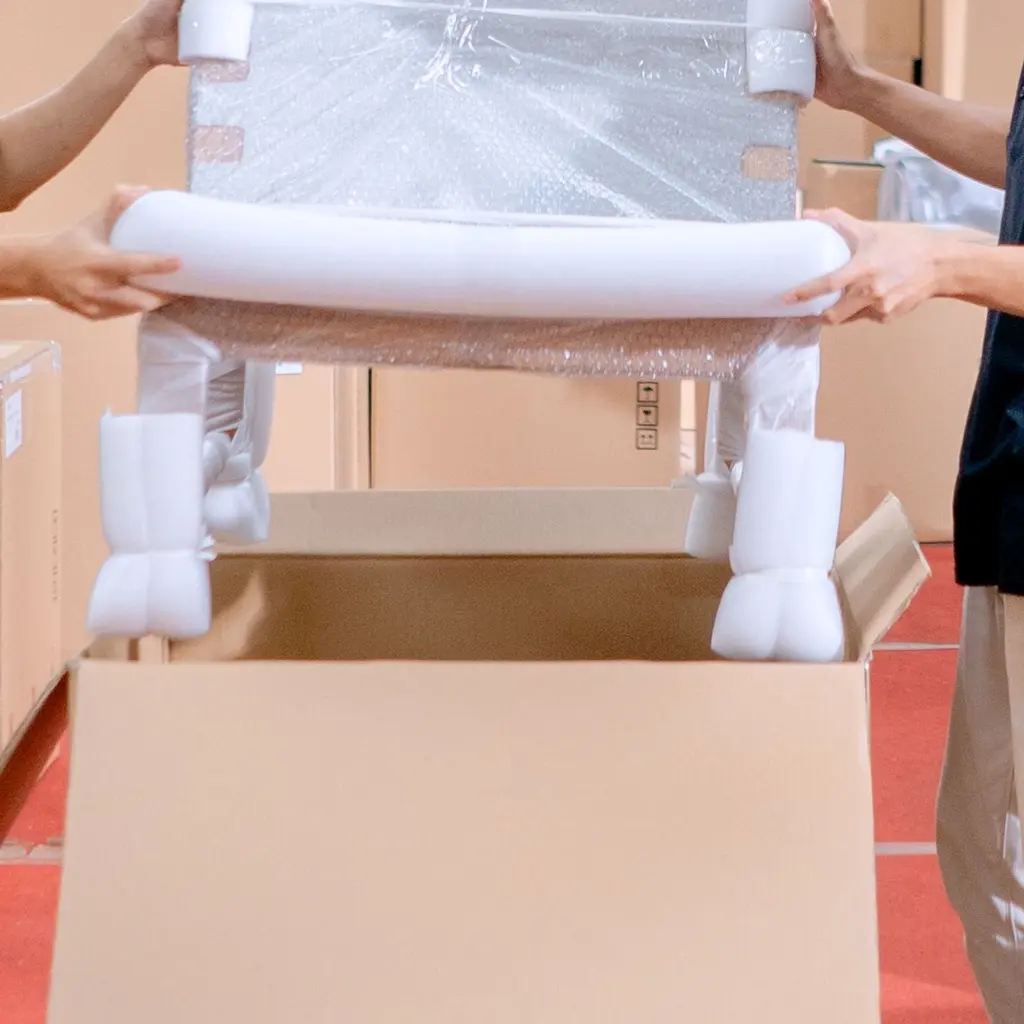
You prepare machinery, art or goods for transport by building protective crates at your shop or a customer site. A minor handling error can damage an item before it ships, or a failed crate can trigger a later liability claim.
The Southern Agency can review your crating processes and your handling of customer property to help you select appropriate insurance. For example, we can help you choose coverage for crate-related damage while distinguishing those limits from insurance protecting the item inside the crate.
Scratching, lifting or fastening can damage an entrusted item. Ordinary GL and some custody forms exclude property being worked on.
A weak crate can be blamed after transit damage. Rebuilding the crate and paying for covered resulting damage may be treated differently.
Wood, dust, tools, and forklifts create fire and injury risks. Pickup, delivery, and on-site packing add locations and custody stages.
Policies to ask about. Which ones fit depends on your operations, your contracts, and the carrier’s forms.
These hypothetical examples are not agency claim results. Whether a loss is covered depends on the facts, policy terms, and applicable exclusions.
A crew damages art while crating it. Suitable customer-goods cover would need to include the processing/handling damage; mere custody cover is not proof of payment.
A crate collapses and a machine is damaged. Applicable completed-operations terms may address covered resulting damage, but crate replacement, worked-on property, and packing exclusions must be examined.
A fire involving wood stock damages machinery and customer items. Owned property and customer-goods forms may respond under separate interests and triggers.
Start with the work you do and the questions your current policies leave unanswered. Carrier options depend on your location, risk, and underwriting. Explore our approach.
Only if the damage and processing activity fit its terms. Some forms exclude faulty work or items being worked on.
No. Own-product/rework costs differ from covered damage to other property.
The operations, locations, and customer-goods terms need to include the work.
Not automatically. Compare the parties' interests and rights rather than relying on the customer's policy.
Bring your questions, current policies, and relevant contracts. An agent can review coverage terms, exclusions, and the information carriers ask for, then explain the options available to you.