

Sealant failure and water intrusion
A failed or missed seal can allow water into a building envelope, causing mold and damage blamed on the contractor.
Try a different word, or check the spelling.
The joint you seal may be only a small part of a facade, but water can reach finishes well beyond it. Coverage for resulting damage is different from a sealant warranty or the bill to redo the bead.
The Southern Agency can help you address the long-term liability risks associated with waterproofing and sealing building envelopes.
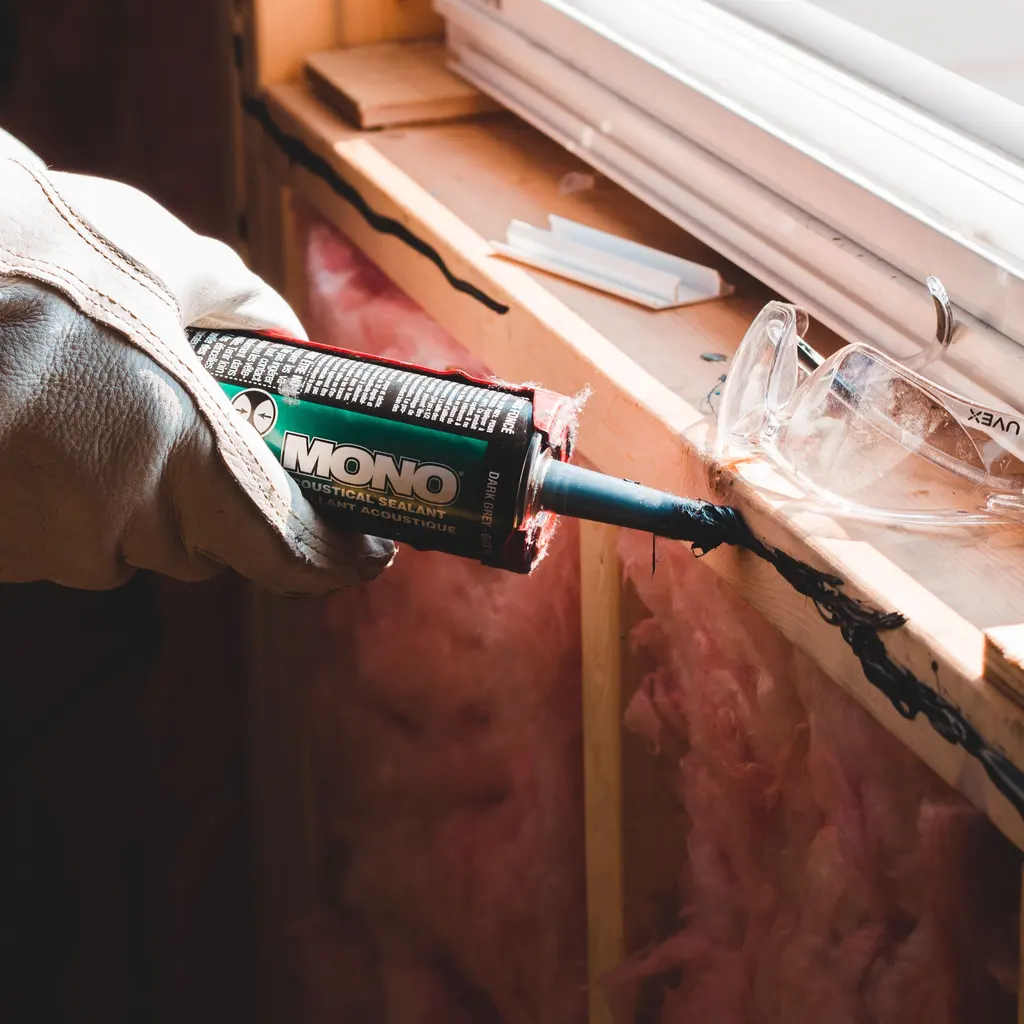
You apply sealants to building joints and facades to ensure they remain watertight and energy-efficient. Because your work becomes part of the building envelope, a failure in your sealing can lead to water intrusion and mold claims months or years after completion.
The Southern Agency can review your sealing materials and access methods, such as swing stages or lifts, to help select appropriate insurance. We can help you understand how your coverage handles claims related to sealant performance and the property damage that can result from a failed seal.
A failed or missed seal can allow water into a building envelope, causing mold and damage blamed on the contractor.
Applying sealant from lifts, swing stages, and ladders on exterior walls exposes crews to serious fall hazards.
Solvent-based sealants, primers, and cleaners create fume, skin-contact, and flammability hazards for workers.
Stray sealant, primer, or overspray can stain or damage windows, cladding, and adjacent finished surfaces.
Leaks often appear months later, leading to liability claims after the project has been turned over.
Sprayers, lifts, and specialty applicators that move between sites can be damaged, lost, or stolen.
Policies to ask about. Which ones fit depends on your operations, your contracts, and the carrier’s forms.
These hypothetical examples are not agency claim results. Whether a loss is covered depends on the facts, policy terms, and applicable exclusions.
Hypothetical: water through a failed window joint damages interior finishes after handoff. GL may address covered resulting harm under actual completed-work, water/mold and work-property terms. Record application and damage dates; late discovery alone is not a trigger, and replacing the bead or honoring a performance warranty is separate.
Hypothetical: primer overspray stains curtain-wall glass and the owner requests replacement. GL may address covered damage under actual surface, custody and work-property terms. Establish the surface being prepared, what was harmed and why replacement is necessary; an overspray label or owner demand alone does not establish payment.
Hypothetical: an employee falls from a swing stage while sealing an upper-floor joint. Workers' compensation may provide qualifying benefits under applicable law and employment duties. Describe actual stage ownership and access roles; employee benefits are separate from the lift, public injury and approval of the access setup.
Start with the work you do and the questions your current policies leave unanswered. Carrier options depend on your location, risk, and underwriting. Explore our approach.
Water intrusion after a failed joint can cause interior damage, while facade access and chemicals create day-of-work risks. Separate recaulk/warranty, resulting moisture/mold, and adjacent-finish damage; later discovery alone is not a coverage trigger or proof of fault.
Preserve application/handoff, leak/damage, and discovery/claim dates and cause. Correcting a seal differs from resulting damage, and water/mold or work-property exclusions may matter. Completion or a later leak does not by itself establish payment.
Determine what primer/sealant damaged, what surface was being worked on and what the owner demands. Glass replacement or a stained curtain wall needs damage and work-property/custody review; do not infer cover merely because the owner calls it overspray.
Inland marine may help cover specialty equipment that travels between job sites and can be damaged or stolen. Coverage depends on the policy and valuation chosen.
Handling flammable sealants and solvents can affect underwriting and certain exclusions. The right terms depend on the products you use and your safety practices.
Confirm eligibility for the facade/interior work, access/height, and chemicals and the underlying/completed terms. A shop package or additional limit does not restore an exclusion or insure a sealant performance guarantee; mobile lifts/tools are a separate interest.
Bring your questions, current policies, and relevant contracts. An agent can review coverage terms, exclusions, and the information carriers ask for, then explain the options available to you.