

Overspray and off-gassing complaints
Drifting foam can coat nearby surfaces and vehicles. Lingering odors can prompt indoor-air complaints and remediation demands, but the source, alleged harm, and suitable response require investigation.
Try a different word, or check the spelling.
An overspray claim or an odor complaint can follow you beyond the application day. Check how your insurance treats foam work and chemical-related damage before the next job.
Call with your product information, application methods and a typical job contract so we can discuss the coverage questions.
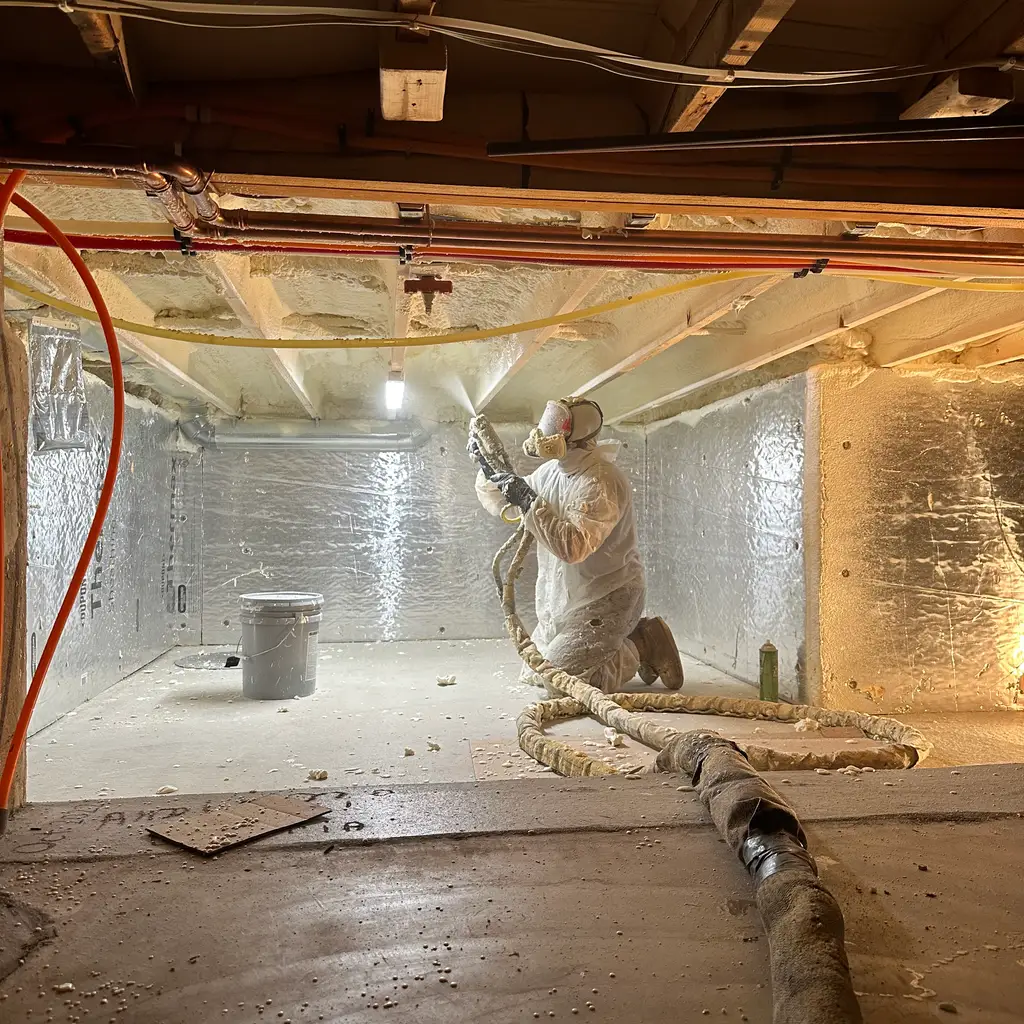
You apply spray foam inside buildings, often close to finished surfaces and occupied areas. Overspray can damage nearby property, while an odor complaint after a job can raise questions about the application and when people can return.
The Southern Agency can review the foam products you use, your application work, and the buildings you work in. We can help you compare general liability with environmental coverage for chemical-related claims, and look separately at protection for your crew, rigs, and equipment.
Drifting foam can coat nearby surfaces and vehicles. Lingering odors can prompt indoor-air complaints and remediation demands, but the source, alleged harm, and suitable response require investigation.
Workers and occupants exposed to reactive isocyanates can develop respiratory sensitization, creating health-hazard and liability claims.
The application reaction generates heat, and fires involving foam can damage property and release hazardous decomposition products. Review the specific product instructions, nearby heat or hot work and site fire precautions.
Mixing or curing problems can prompt odor complaints, demands to remove foam and delayed re-occupancy. The cause and suitable response require investigation; removal is not automatically the remedy or an insured cost.
Truck-mounted proportioners and drums of resin and isocyanate are high-value, hazardous, and vulnerable to theft, damage, and spills.
Attics and crawl spaces can expose crews to respiratory hazards, heat stress, and difficult entry or exit. Determine the space classification and precautions from the conditions rather than assuming every attic is a permit-required confined space.
Policies to ask about. Which ones fit depends on your operations, your contracts, and the carrier’s forms.
These hypothetical examples are not agency claim results. Whether a loss is covered depends on the facts, policy terms, and applicable exclusions.
Foam in a home fails to cure properly and persistent odors force the family out. Investigate the source and alleged harm, then review the environmental policy’s pollution definition, covered work, and reporting terms. Removing the contractor’s foam, addressing damage to other property and a demand for the family’s displacement costs are separate issues; none is automatically payable as an additional-living-expense benefit.
Drifting foam coats cars parked near a jobsite. Review the alleged damage and the general liability and environmental terms for overspray and the specific product. Calling a policy pollution-aware does not establish coverage for cleanup, replacement, or every affected vehicle.
Uncured foam ignites near heat in an attic and damages the structure. Identify whose property was damaged and the alleged responsibility for the fire. Liability and property coverage require separate review of insured interests, covered operations, causes and exclusions; a fire during chemical application is not automatically an insured pollution loss.
Start with the work you do and the questions your current policies leave unanswered. Carrier options depend on your location, risk, and underwriting. Explore our approach.
Pollution and other exclusions can affect chemical-application claims under general liability. Review the exact foam products, operations and alleged harm under that policy and any environmental coverage. Do not assume overspray, odors or isocyanate allegations are included merely because a policy is described as suitable for contractors.
Review chemical exposure to workers and occupants, spray drift, application, and curing problems, and fire and access hazards at the actual site. EPA’s spray-foam information distinguishes product and site conditions; it does not establish one re-occupancy time for every job. Follow the specific product guidance and obtain appropriate technical advice where conditions or complaints are uncertain.
Identify the truck, attached proportioner, hoses, and chemical stock separately. Check the vehicle physical-damage and equipment schedules, values, transit, and storage terms and covered causes. Theft or accident protection does not automatically pay internal breakdown, maintenance or all spill cleanup.
An odor complaint does not alone establish its cause or an insured pollution condition. Review the alleged injury or damage, investigation and reporting requirements, the product and operations insured, and the particular costs demanded. Removing defective foam or paying for displacement is not automatically covered, and removal does not necessarily resolve an indoor-air complaint.
Provide the product names, formulation, and application method, whether you use open- or closed-cell products, and the manufacturer’s mixing, ventilation, and re-occupancy guidance. Describe site conditions, quantities, equipment and prior claims. Do not assume one foam type necessarily has a lower premium or a safer chemical or fire profile.
Obtain the written builder or owner requirements, including any environmental terms, insured parties, and endorsements. Compare them with the proposed policies before work. A certificate does not add coverage, and requested wording or limits do not establish that the operations or every chemical condition are insured.
Bring your questions, current policies, and relevant contracts. An agent can review coverage terms, exclusions, and the information carriers ask for, then explain the options available to you.