

Air and water infiltration from poor sealing
Faulty flashing or caulking can admit water and damage surrounding finishes. Condensation alone does not establish water entry or installation fault.
Try a different word, or check the spelling.
A fogged unit, a draft complaint and water damage to the wall are not the same problem for your business. Insurance needs to distinguish the window itself from resulting harm to other property.
The Southern Agency can help you evaluate your breakage, leakage, and liability exposures for window installation jobs.
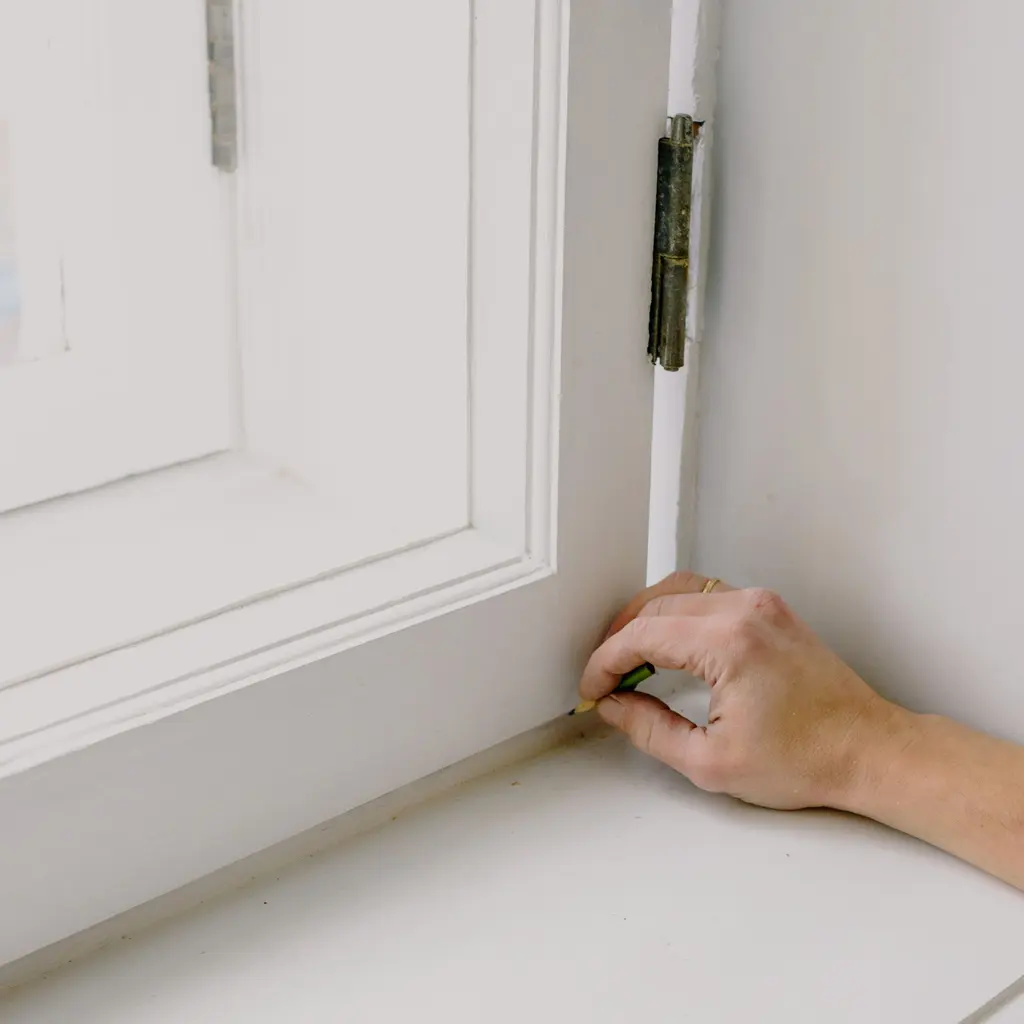
You install windows in residential or commercial buildings, managing risks like fragile glass breakage or leaks caused by faulty seals. A window crack during installation or a moisture issue months later can lead to claims for repair or property damage.
The Southern Agency can review your installation techniques and inventory management to help you select coverage, such as liability for finished work or inland marine for your tools. For example, we can discuss how to separate protection for a window unit from the liability coverage that may respond to a water-damage claim in a wall.
Faulty flashing or caulking can admit water and damage surrounding finishes. Condensation alone does not establish water entry or installation fault.
Large dual-pane and picture-window units are easily cracked while handled, carried through interiors, or set into rough openings.
Failed dual-pane seals can produce fogging between panes and prompt warranty disputes. Replacing the fogged unit alone does not establish injury or damage to other property.
Customers buying energy-efficient windows may claim drafts or high bills if units are improperly installed or specified.
Exterior work on ladders and scaffolds plus heavy glass handling expose crews to falls, back strain, and lacerations.
Removing old windows can disturb lead-painted surfaces. Check whether the job falls under Renovation, Repair and Painting (RRP) rules for pre-1978 housing and child-occupied facilities, including applicable building and paint exceptions.
Fragile glazing can be chipped, cracked, or stolen while transported from supplier and staged at the job site.
Policies to ask about. Which ones fit depends on your operations, your contracts, and the carrier’s forms.
These hypothetical examples are not agency claim results. Whether a loss is covered depends on the facts, policy terms, and applicable exclusions.
Hypothetical: failed flashing admits rain that damages surrounding wall finishes over a wet season. GL may address covered resulting harm under actual wall work, water/mold and completed-work terms. Keep installation, testing and damage dates; replacing flashing, room-side condensation and later discovery are separate questions.
Hypothetical: an insulated unit cracks while being set in its opening. Installation or stock terms may address covered breakage if the actual unit, owner's interest, value, cause and setting stage are included. A standard tools policy does not establish glass coverage; injury or damage elsewhere must be identified separately.
Removing old windows disturbs lead paint and triggers cleanup obligations. Identify those costs separately from any alleged injury or damage, then review lead and pollution exclusions and any specific endorsements. Neither a cleanup order nor RRP certification establishes insurance for remediation, corrective work or penalties.
Start with the work you do and the questions your current policies leave unanswered. Carrier options depend on your location, risk, and underwriting. Explore our approach.
Installers commonly carry general liability, inland marine for glass and tools, workers' compensation, and business auto, with bonding where required. The mix depends on operations, subject to underwriting.
Separate the failed seal or window’s correction from actual damage to walls, finishes or other property. Review water, mold, completed-operations, and restrictions for damage to your work, with installation, damage and claim dates. A leak discovered after completion does not by itself establish which policy responds.
Check an installation or stock policy for the unit’s ownership, declared value, insured cause and setting stage; tool coverage alone may not include it. Identify any separate injury or damage to surrounding property before considering liability cover. Breaking the window itself is not automatically a GL claim.
A fogged insulated-glass unit may involve manufacturer or installer warranty responsibilities. Replacing that unit alone does not establish covered resulting injury or other-property damage. If there is separate harm, review the cause, completed-operations terms, exclusions and dates rather than treat every fogging complaint as insured damage.
Check the licensing authority and the actual contract for the form and obligation required. Contractor-registration, performance and payment bonds are not interchangeable, and approval depends on the surety and application. A bond is not glass-breakage or leak insurance, and this guide does not promise it can be arranged.
Check building age, use, documented paint status, and applicable EPA or state requirements. For work otherwise covered by federal RRP, window replacement does not qualify for the minor-repair exemption merely because little paint is disturbed. Confirm firm certification, renovator training, and work practices separately from lead and pollution insurance terms; certification does not insure cleanup or regulatory costs.
Bring your questions, current policies, and relevant contracts. An agent can review coverage terms, exclusions, and the information carriers ask for, then explain the options available to you.