

Skip to content

Education Insurance

The people you teach may be children, adults, or working professionals. Your coverage should reflect their particular learning setting, including supervision and the information entrusted to you.

The Southern Agency can help you tailor your liability and data-protection insurance to your educational environment.
Explore insurance for 9 business types.

Find your business

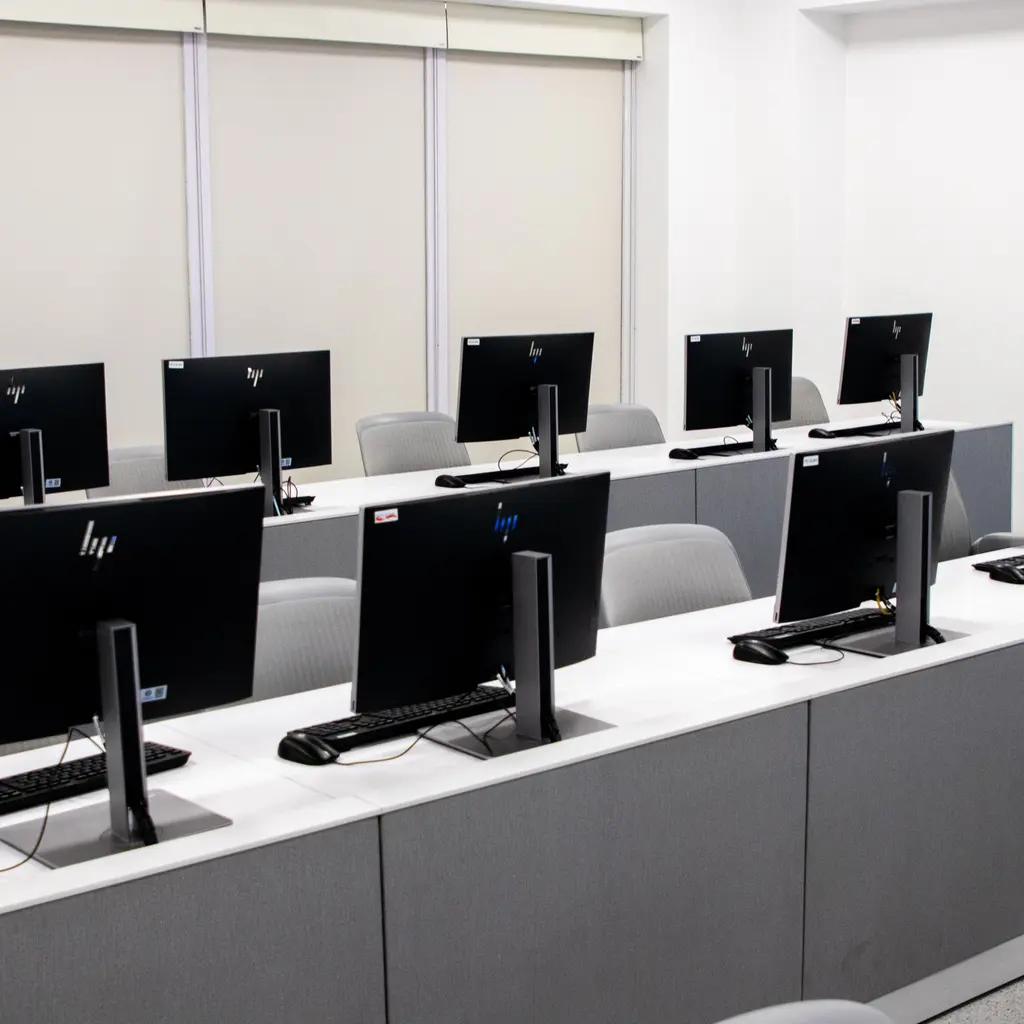
Rows of desktop computers and chairs in an empty classroom computer lab.

Operations within this group

You may teach in classrooms, provide practical instruction or support students through specialist programs. A learner's injury or exposure of student records can leave you facing claims and recovery costs, with the risks shaped by ages, activities, and setting.

The Southern Agency can review your teaching and supervision arrangements to help you select insurance. We can discuss premises, professional, and cyber needs, with abuse-related allegations and any separate policy provisions considered for the actual program.

Find your business

Choose your business type to discuss insurance with The Southern Agency. If it isn’t listed, call an agent to ask whether we can place it.

  1. Art and Music AcademyArt and music academy insurance considers actual lessons and recitals, young-student supervision, kilns and supplies, and owned or borrowed instruments through storage and movement.
  2. Community CollegeCommunity college insurance considers actual commuter and residential programs, vocational or clinical placements, student data and board duties alongside campus property and staff.
  3. Corporate Training ProgramInsurance for training firms delivering workplace courses, assessments and practical sessions at client sites or online.
  4. Language InstituteLanguage institute insurance considers actual courses and testing, students' records and any excursions or homestays, separating teaching liability from visa, job and certificate promises.
  5. Online Learning PlatformInsurance for online learning businesses developing platforms, hosting courses or providing instruction.
  6. Private Secondary SchoolYour school educates minors through daily instruction, athletics, and off-campus field trips.
  7. Tutoring CenterYour center hosts students for after-school help, creating risks related to minor supervision and slip-and-fall incidents.
  8. UniversityUniversity insurance separates campus buildings and research samples, pollution and data events, housing or athletics, and actual educator, clinical and governance responsibilities.
  9. Vocational and Trade SchoolYour school provides hands-on training with machinery and electrical systems, which creates significant injury risks for students and instructors.

Risks across this group

Student safety

Caring for students, often minors, raises injury and supervision exposure.

Abuse and molestation exposure

Working with children creates a sensitive and serious liability concern.

Employment practices

Staffing-intensive operations face discrimination and wrongful-termination claims.

Premises injuries

Facilities, playgrounds, and activities create bodily-injury exposure.

Data and privacy

Holding student and family records creates breach and privacy risk.

Governance risk

Boards and leadership face management-liability exposure.

Situations to think through

These hypothetical examples are not agency claim results. Whether a loss is covered depends on the facts, policy terms, and applicable exclusions.

  1. Hypothetical: Playground injury

    A student is injured on a playground. General liability may help respond to the bodily-injury claim, subject to policy terms.

  2. Hypothetical: Employment claim

    A staff member alleges wrongful termination. EPLI may help with defense and any covered settlement, subject to terms.

  3. Hypothetical: Data incident

    Student records are exposed in a breach. Cyber liability may help with response and liability, subject to terms.

Before you talk to an agent

What to have ready

Tick items as you gather them. Nothing here is saved or sent.

Questions to raise

  • Describe the teaching setting: one-to-one lessons, online instruction, classrooms, or hands-on shops and labs. List ages served and activities away from the main location.
  • Review abuse and molestation terms separately from general and professional liability, including who is insured and how allegations must be reported.
  • For vocational programs, separate injury during training, equipment damage, and allegations about instruction or credentials. A promise of graduation, licensing, or employment should not be treated as an insured result.

Contract terms to check

  • Education providers typically carry general liability and, where minors are present, often seek abuse and molestation coverage. Institutions also evaluate employment practices coverage, directors and officers coverage for boards, and workers' compensation as state law requires.

What the agent conversation looks like

Start with the work you do and the questions your current policies leave unanswered. Carrier options depend on your location, risk, and underwriting. Explore our approach.

  1. ListenReview your operations, current coverage, and past claims.
  2. AssessIdentify potential hazards and discuss ways to reduce risk.
  3. BuildDiscuss policy and carrier options, premium costs, and audits.
  4. SupportReview changes and help you plan ahead as your needs develop.

Questions owners ask

Why review abuse and molestation coverage separately?

Work with minors creates supervision and conduct exposures. Ask whether dedicated coverage or an endorsement applies, which people and activities it includes, and what exclusions and reporting conditions remain. Do not assume a general liability policy includes it.

Do schools need directors and officers coverage?

Boards and administrators can face governance allegations. Review their roles and the D&O policy's insured-person and claim definitions alongside employment and professional liability.

Is student data a meaningful exposure?

Enrollment, payment, and family information can create privacy and breach exposure. Review what is held by the provider and its vendors and which response costs a proposed cyber policy includes.

Do small tutoring businesses need liability coverage?

Consider where lessons occur, student ages, supervision, and any premises exposure. General liability and professional or abuse-related coverage answer different questions; size alone does not settle the choice.

Are online education providers exposed too?

Yes. Review instruction-related allegations, student data, platform dependencies, and employment practices. A provider without classrooms still needs a review based on its actual services.

Tell us what your education business does

Bring your questions, current policies, and relevant contracts. An agent can review coverage terms, exclusions, and the information carriers ask for, then explain the options available to you.

How can we help you get started?

Choose the quote that fits, and we’ll take it from there.

Have a question? Contact us