

Premises injuries across a large campus
Students, visitors and event users share walkways, stairs, parking and any athletic facilities. Identify actual access, maintenance and event duties rather than assuming all injuries occur during instruction.
Try a different word, or check the spelling.
A student's lab work and a clinical placement can put your college in different liability roles. Campus premises coverage should not be assumed to follow every program off site or cover its professional duties.
The Southern Agency can help you coordinate broad protection for your campus facilities, staff, and student data.
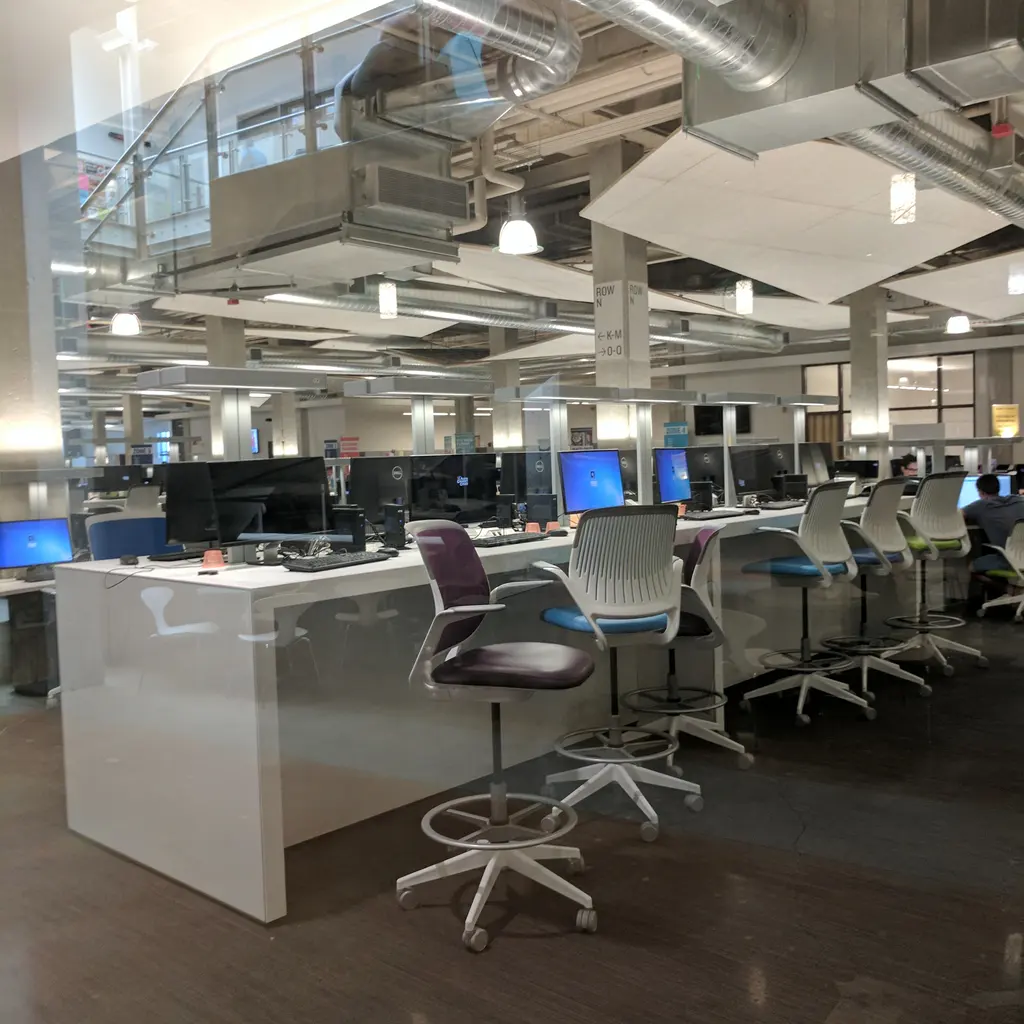
You may run evening classrooms, hands-on trade labs and clinical placements for students at different stages of working life. A machine injury, missed placement duty or exposed financial-aid record raises different questions. The programs you actually operate matter more than assuming every college has the same campus or student roles.
The Southern Agency can review your campus operations and governance to help you select coverage, such as cyber liability for student records or management protection for your board. We can help, for instance, distinguish between general premises liability and the specialized requirements for clinical or trade-program placements.
Students, visitors and event users share walkways, stairs, parking and any athletic facilities. Identify actual access, maintenance and event duties rather than assuming all injuries occur during instruction.
Nursing, automotive, welding, and chemistry labs expose students and instructors to equipment, burn, and chemical injuries during hands-on training.
Enrollment, financial-aid, and academic records make the college a target for breaches that trigger notification and regulatory exposure.
A large faculty and staff increases the potential for discrimination, harassment, and wrongful-termination allegations.
Trustees and administrators make budget, policy, and personnel decisions that can prompt claims alleging mismanagement.
Fire, storm, or water damage to classroom buildings, libraries, and lab equipment can disrupt instruction across departments.
Shuttles, maintenance trucks, and program vehicles create auto liability and physical-damage exposure on and off campus.
Policies to ask about. Which ones fit depends on your operations, your contracts, and the carrier’s forms.
These hypothetical examples are not agency claim results. Whether a loss is covered depends on the facts, policy terms, and applicable exclusions.
A breach exposes student financial-aid records and triggers notification and forensic costs. A cyber policy may respond to breach response and liability, subject to the specific policy, endorsements, and exclusions. Check actual college/vendor data event, response consent, and applicable notification; aid repayment and every regulatory consequence differ.
A student is burned during a welding lab and pursues a claim. General liability coverage may respond to medical and liability costs, depending on policy terms and the facts of the incident. Check accepted actual welding activity, student/worker status, and professional/abuse/medical-payments exclusions; no all-trainee injury benefit.
A former employee alleges wrongful termination. An employment practices liability policy may respond to defense and settlement costs, depending on the specific policy and exclusions. Review actual employee/insured, allegations/reporting, and wage/contract terms; salary/benefit obligations differ from eligible damages.
Start with the work you do and the questions your current policies leave unanswered. Carrier options depend on your location, risk, and underwriting. Explore our approach.
Colleges commonly carry property, general liability, workers' compensation, cyber, employment practices, and directors and officers coverage. The mix depends on programs and size, subject to underwriting.
Map actual college/provider records and applicable funding/FERPA and other privacy duties. Review covered security/privacy event, consent/notification, response/claim, and exclusions; cyber is not proof of legal compliance or all fines/financial-aid repayment.
Identify actual public/private institution, board and administrator capacities and compare educator/governance/employment grants and applicable public arrangements with qualified advisers. Ordinary corporate D&O is not automatically all trustee, admissions/discipline, clinical or student-injury protection.
List actual trades/machines, clinical services/placements, and institution/instructor/student/host roles. Review accepted activity, professional/medical, and abuse exclusions and worker/participant accident terms; a GL title, accreditation or enrollment does not establish every lab injury.
If the college owns or operates shuttles and maintenance vehicles, business auto coverage is commonly needed for on- and off-campus use, subject to policy terms.
Large student populations and broad operations can produce claims exceeding primary limits. Umbrella coverage adds capacity above those policies, depending on underwriting.
Bring your questions, current policies, and relevant contracts. An agent can review coverage terms, exclusions, and the information carriers ask for, then explain the options available to you.