

Student injuries operating equipment
Trainees using welders, lifts, saws, and electrical systems face serious injury risk during hands-on shop and lab instruction.
Try a different word, or check the spelling.
A working lift, welder or training unit can be essential to delivering your next practical class. Equipment-breakdown protection deserves attention alongside student-injury liability, not as a guarantee of uninterrupted teaching.
The Southern Agency can help you protect your students, equipment, and reputation through tailored trade-school insurance.
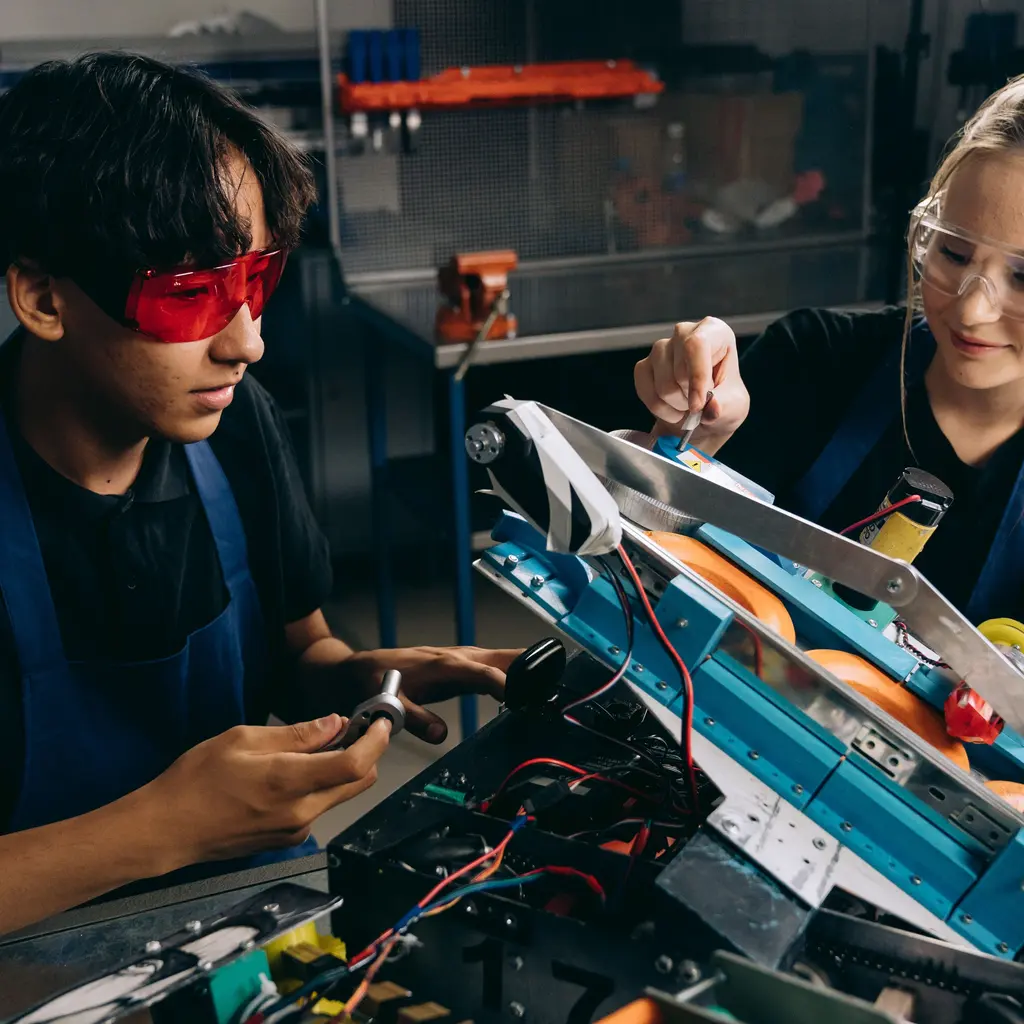
Your school provides hands-on training with machinery and electrical systems, which creates significant injury risks for students and instructors. You also rely on certifications and credentials that could lead to claims if training is alleged to be deficient.
The Southern Agency can review your shop-based instruction and credentialing processes to help select appropriate insurance. For example, we can examine whether your equipment breakdown policy covers mechanical failures that interrupt your classes.
Trainees using welders, lifts, saws, and electrical systems face serious injury risk during hands-on shop and lab instruction.
Failure of welders, lifts, HVAC trainers, or other equipment can halt instruction and may injure students using the equipment.
Valuable tools and machinery used across programs can be damaged, lost, or stolen, disrupting hands-on training.
Graduates relying on certifications for employment may allege that deficient training cost them jobs or credentials.
Instructors who are skilled tradespeople face injury exposure, and a working staff can prompt employment-related claims.
Tuition payments and student records collected at enrollment create privacy exposure if data is breached.
Vehicles used to move students to job sites or transport equipment create auto liability and physical-damage exposure.
Policies to ask about. Which ones fit depends on your operations, your contracts, and the carrier’s forms.
These hypothetical examples are not agency claim results. Whether a loss is covered depends on the facts, policy terms, and applicable exclusions.
A student is injured operating a welder during a lab and pursues a claim. General liability coverage may respond to medical and liability costs, depending on policy terms and the facts of the incident. Check actual accepted welding and student/worker/host role and professional/medical/abuse and participant medical terms; no all-trainee injury benefit.
An automotive lift fails and damages a training vehicle and equipment. Equipment breakdown coverage may help with repair and replacement, subject to the specific policy, endorsements, and exclusions. Confirm covered actual lift event, repair versus resulting owned/entrusted vehicle damage, custody/valuation, and exclusions; a lift failure alone does not establish all repairs or downtime.
A graduate alleges deficient training cost them a required credential. A professional liability policy may respond to defense costs, depending on the policy and exclusions. Review accepted actual instruction/credential role and claim/contract/guarantee/fee and reporting terms; lost credential/job, remedial teaching, and refund promises are not automatically covered.
Start with the work you do and the questions your current policies leave unanswered. Carrier options depend on your location, risk, and underwriting. Explore our approach.
Trade schools commonly carry general liability, property, workers' compensation, equipment breakdown, inland marine, and professional liability coverage. The mix depends on the trades taught, subject to underwriting.
List actual trades/machines, live customer/clinical work, student/employee/extern status, and host-shop duties. Compare accepted operations, professional/medical/abuse and custody exclusions and participant/worker terms; enrollment alone does not settle every trainee injury or work correction.
Review actual covered internal machinery event and repair versus resulting owned/entrusted training property damage and purchased income/extra expense, waiting/restoration, and limits. Wear, maintenance, a failure alone and all canceled classes are not automatically covered or promptly restored.
Standard property coverage may be limited away from the premises. Inland marine coverage helps protect tools transported to job sites, depending on the policy.
Confirm actual teaching/testing/credential and placement role and insured institution/instructors, allegations and professional/contract/guarantee/fee terms and reporting. Accreditation, enrollment or a promised credential/job does not itself establish negligence, insurance payment, or all tuition/re-teaching/refunds.
If you use vehicles to move students or equipment to job sites, business auto coverage is commonly needed for that use, depending on how vehicles are owned and operated.
Bring your questions, current policies, and relevant contracts. An agent can review coverage terms, exclusions, and the information carriers ask for, then explain the options available to you.