

Classroom and premises injuries
Students and visitors moving through classrooms, common areas, and stairwells throughout the day create slip, trip, and fall exposure.
Try a different word, or check the spelling.
A learner may count on your certificate for a job or visa application. Coverage for allegations about instruction or placement cannot promise the immigration or employment result the student hopes for.
The Southern Agency can help you protect your institute's classroom operations and international support services.
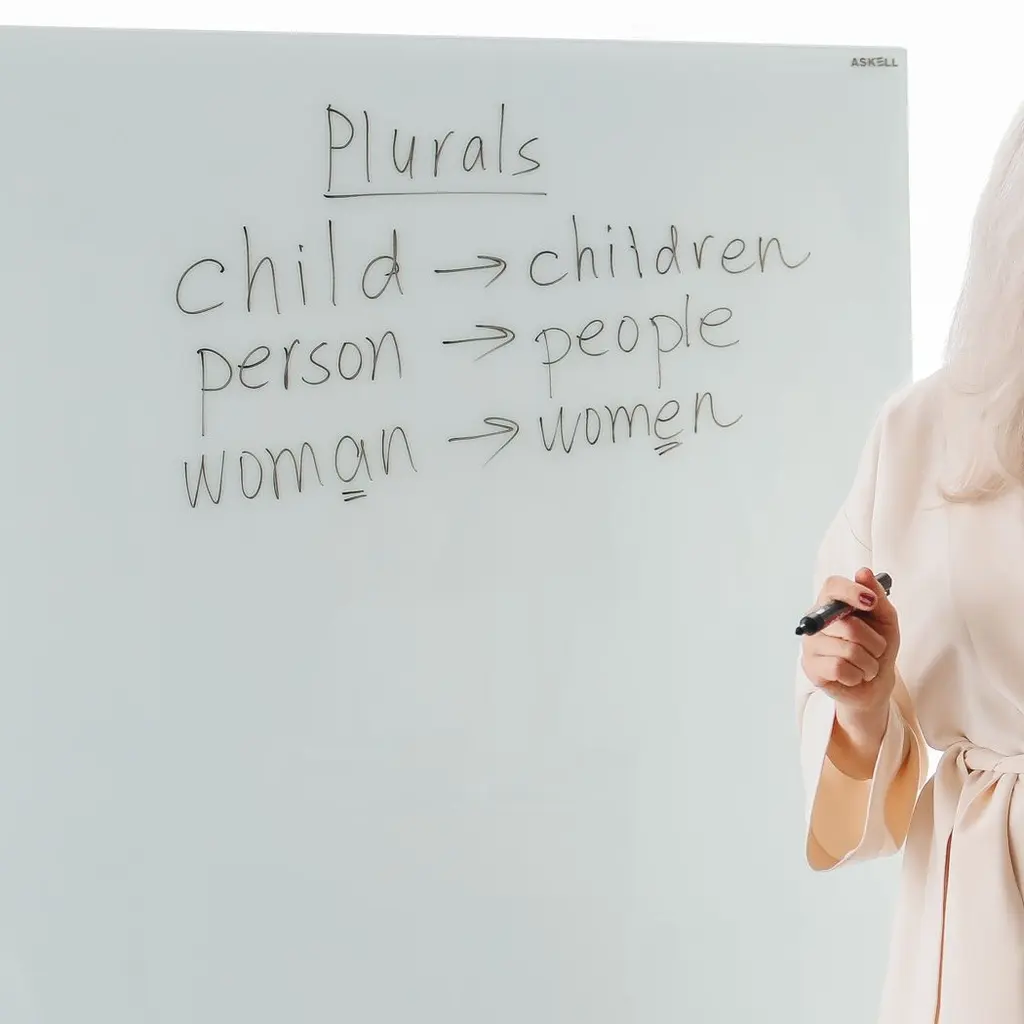
You help learners use a new language for study, work or everyday life. Your courses may include testing, online teaching, cultural trips or homestay arrangements, but not every institute provides all of them. An injury during an outing and a disputed certificate outcome call for different insurance questions.
The Southern Agency can review your actual teaching, placement and document-coordination duties with you. We can compare instruction liability and student-data protection with the terms for any hosts, trips or transport, without treating insurance as a promise of accreditation, a visa or a job.
Students and visitors moving through classrooms, common areas, and stairwells throughout the day create slip, trip, and fall exposure.
If you organize cultural trips or arrange homestays, host selection, supervision and transport can create duties away from the classroom. Actual control and agreements matter; coordination alone does not insure the host's home.
If you collect passport or visa documents or process international tuition, records may pass between coordinators, hosts and payment providers. Identify what you retain and who may access it rather than assuming all institutes hold the same data.
Students relying on language certification for visas or jobs may allege that deficient instruction caused them harm.
Computers, audio-visual equipment, and learning materials can be damaged by fire, water, or theft, disrupting instruction.
Language teachers, coordinators, and administrators face injury exposure, and staffing disputes can prompt employment-related claims.
Policies to ask about. Which ones fit depends on your operations, your contracts, and the carrier’s forms.
These hypothetical examples are not agency claim results. Whether a loss is covered depends on the facts, policy terms, and applicable exclusions.
A student is injured during an organized off-site excursion. General liability coverage may respond to medical and liability costs, depending on policy terms and the facts of the incident. Confirm accepted actual trip/activity/territory, student/operator/supervisor duties, and transport/professional/abuse terms; off-site does not itself establish cover.
A breach exposes student passport and tuition payment data. A cyber policy may respond to notification and liability costs, subject to the specific policy, endorsements, and exclusions. Check actual passport/payment provider event, response consent and applicable notification; visa replacement/outcome and all fines are not automatically cyber.
A student alleges that inadequate instruction cost them a required certification. A professional liability policy may respond to defense costs, depending on policy terms and exclusions. Review accepted actual instruction/testing service and claim/contract/loss/reporting; no guarantee of credential, visa/employment or tuition reimbursement.
Start with the work you do and the questions your current policies leave unanswered. Carrier options depend on your location, risk, and underwriting. Explore our approach.
Institutes commonly carry general liability, property, professional liability, cyber, and workers' compensation coverage. The right mix depends on programs and enrollment, subject to underwriting.
Off-site activities extend your responsibility, and general liability may respond to claims arising from them. Confirming off-premises terms is important, depending on the specific policy.
Handling passports, visas, and tuition payments creates breach exposure. Cyber coverage may help with response and liability if data is compromised, depending on the policy.
List actual placement/control, hosts, ages, supervision, and countries. Compare accepted host/placement, professional/abuse/premises, and transport terms; coordination alone does not make host families/homes insured or guarantee every student injury.
Confirm actual teaching/testing and placement/document-coordination versus any legal-advice service and insureds. Review professional/abuse/contract/loss and trigger/reporting terms; visa, job or certificate results, re-teaching and tuition refunds are not automatically insured.
Language instructors and coordinators are often employees, and workers' compensation is commonly required for them. Requirements vary, so review your staffing with us.
Bring your questions, current policies, and relevant contracts. An agent can review coverage terms, exclusions, and the information carriers ask for, then explain the options available to you.