

Fire from heated asphalt and burners
Heating asphalt cement and running burners create significant fire and burn exposure that can damage tanks, drums, and the plant.
Try a different word, or check the spelling.
Your loadout brings customer trucks into the same plant that produces the mix. Premises liability for that traffic is separate from machinery protection or claims about asphalt already laid on a road.
The Southern Agency can help you match your plant's heating and blending processes to your insurance program.
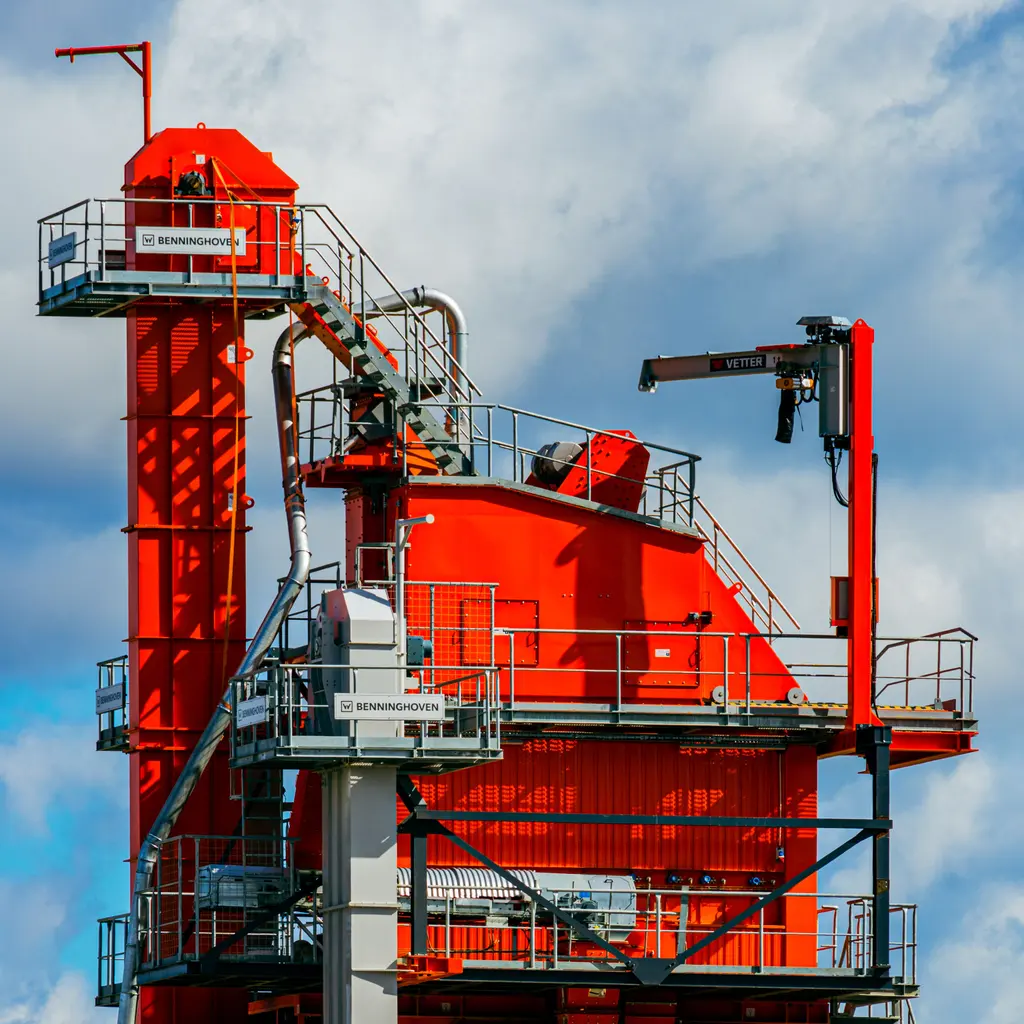
You heat asphalt cement, dry aggregate and produce mixes for paving jobs. A plant fire or failed drum mixer can stop output during your busiest season, while a mix-quality dispute can follow material already delivered to a roadway.
The Southern Agency can review your specific blending and loadout processes to help you select insurance for those activities. For example, we discuss how equipment breakdown coverage may pay for mixer repairs while explaining that a customer's demand for roadway rework requires separate product liability consideration.
Heating asphalt cement and running burners create significant fire and burn exposure that can damage tanks, drums, and the plant.
Hot-mix that fails to meet specification can lead to product claims and expensive roadway rework for paving customers.
Asphalt fumes, baghouse dust, and emissions create air-quality and regulatory exposure at and around the plant.
Spills or releases of liquid asphalt and additives can contaminate soil and stormwater, triggering cleanup liability.
A mechanical or electrical failure of a drum mixer, burner, conveyor, or baghouse system can halt production. Maintenance needs and the time to obtain parts affect restoration, but not every equipment stoppage is an insured breakdown.
Customer and company trucks moving through scales and loadout create on-site traffic and loading exposure.
Plant staff face burns, dust exposure, and machinery hazards around hot materials and conveyors.
Policies to ask about. Which ones fit depends on your operations, your contracts, and the carrier’s forms.
These hypothetical examples are not agency claim results. Whether a loss is covered depends on the facts, policy terms, and applicable exclusions.
A heated asphalt cement tank ignites and damages surrounding plant equipment, creating repair and replacement costs. Property insurance may pay covered physical damage to the plant's insured interests. The cause, equipment, values, and exclusions matter. Income lost while repairing the plant needs applicable business-income terms rather than following automatically from the equipment payment.
Hot-mix delivered off-specification leads to premature roadway failure, and the customer seeks repaving costs. Product liability may pay covered defense costs and damages for a qualifying property-damage claim. The actual distinction between the supplied mix and damaged other property matters. Replacing defective material, removing it and redoing paving are not automatically insured just because a customer demands payment.
A drum mixer drive fails and stops production at the height of paving season, creating repair costs and lost production income. Equipment breakdown may pay the covered drive repair if the failure meets its definition; normal wear is not enough. Income and extra-expense terms must apply to that breakdown, with the relevant waiting period, restoration period, and limits. Repair cover alone does not pay every missed delivery or customer penalty.
Start with the work you do and the questions your current policies leave unanswered. Carrier options depend on your location, risk, and underwriting. Explore our approach.
Supplied mix can lead to injury or damage claims after delivery. Product liability may pay covered defense costs and damages, but an off-spec batch or repaving demand alone does not establish coverage. Separate the mix's own value, removal and replacement costs, warranties, and damage to other property. Whether other property was damaged or the paving can be restored by replacing the mix affects the claim, alongside the policy's product and withdrawal terms.
Property insurance may pay covered fire or other insured physical damage; equipment breakdown may pay repairs after a qualifying mechanical or electrical failure. Identify the cause and the affected burner, mixer, or related system. Ordinary wear, maintenance, and a machine simply stopping are not automatically insured breakdowns. Resulting income loss needs applicable income terms as well as the insured event.
Environmental liability may pay covered cleanup, defense, and third-party claims from an insured release. Describe tank and additive storage, fumes, dust, loading, drainage, release history, and reporting needs. Premises, contractor, and transport interests differ, and GL pollution exclusions and exceptions need attention. A permit duty or cleanup order does not establish payment for every compliance cost, fine, or historical condition.
Business-income provisions may pay covered lost income and continuing expenses during the insured restoration period after the required property or breakdown event. Seasonal earnings, waiting periods, limits, and repair, or restart time matter. Repairing a mixer does not itself prove income cover, and a missed order or contractual delivery penalty is not automatically an insured shutdown loss.
Business auto may pay covered accident liability for insured delivery vehicles, with physical-damage cover where included for the trucks themselves. Identify owned and hired hauling, drivers, use, and loading responsibilities. The mix being carried, damage to customer property, loading operations, and a spill need their applicable terms; insuring the truck does not establish all of those protections.
Describe drum or batch design, burner and tank systems, replacement values, mix specifications and volume, fire protection, spill containment, emissions controls, delivery arrangements, workforce, and loss history. Those facts support an individual underwriting assessment; a general plant label or production-volume figure cannot establish a premium or current availability.
Bring your questions, current policies, and relevant contracts. An agent can review coverage terms, exclusions, and the information carriers ask for, then explain the options available to you.