

Burns from hot-mix asphalt
Hot mix, heated tack and equipment surfaces expose crews to serious burns during placement and screeding; actual products/processes determine handling conditions.
Try a different word, or check the spelling.
Your paving crew depends on the next load arriving while the machines are ready to place it. That coordination calls for attention to both road liability and protection for the paving equipment.
The Southern Agency can help you navigate the severe risks associated with heavy paving machinery and active traffic.
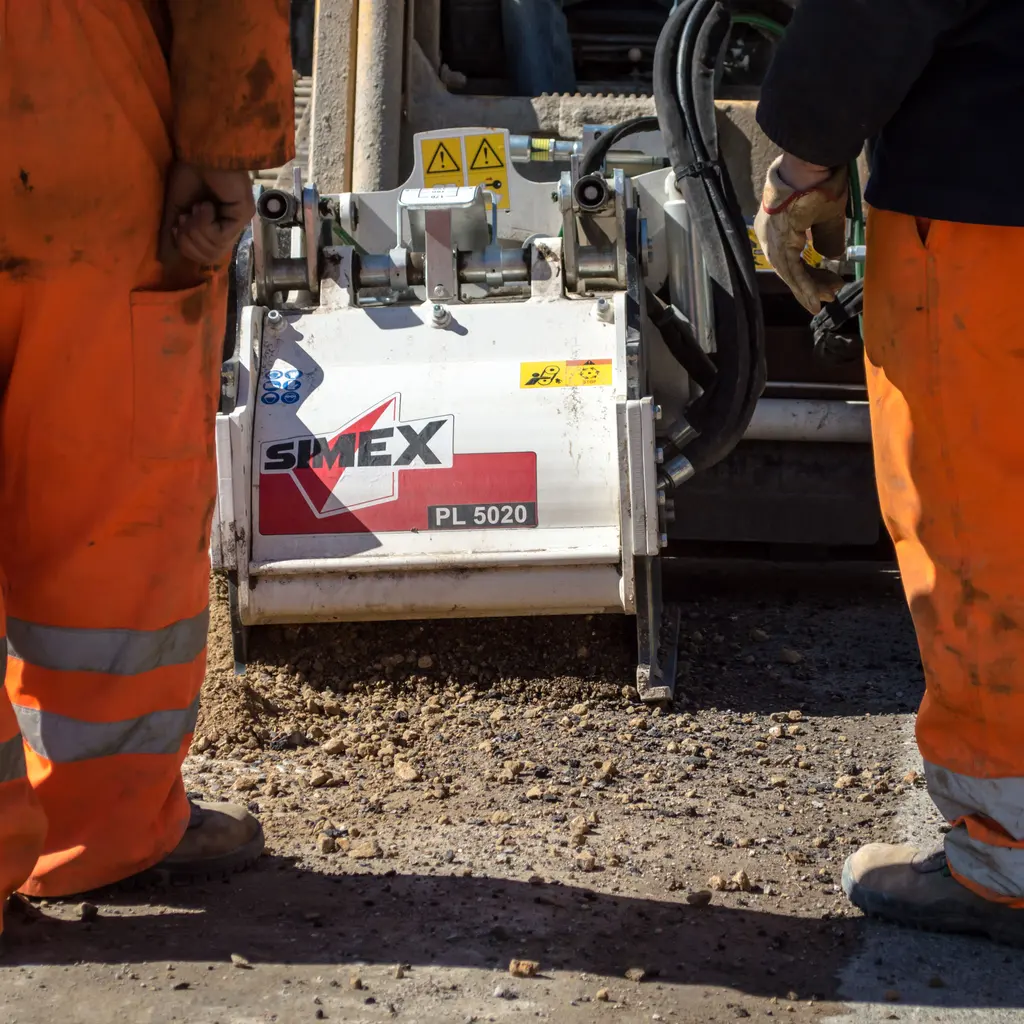
You operate heavy machinery and work with hot asphalt on roadways and parking lots, often in active traffic. The combination of high temperatures, heavy mobile equipment, and road traffic creates significant risks for your crew and the public.
The Southern Agency can review your paving, hauling and traffic-control roles to help choose insurance. We can compare truck and paver interests through loading and road transit, examine actual asphalt or tack releases, and review owner requirements separately from pavement correction or surety approval.
Hot mix, heated tack and equipment surfaces expose crews to serious burns during placement and screeding; actual products/processes determine handling conditions.
Paving in active or partially closed roadways puts flaggers, screed operators, and laborers near moving traffic and reversing trucks.
Loaded dump trucks, tack distributors, and equipment haulers travel constantly between the plant and the site, raising collision and rollover exposure.
Pavers, rollers, and milling machines are high-value units that travel daily and often remain on open job sites overnight.
Asphalt cement, fuel, and tack oil can contaminate soil or enter storm drains, creating cleanup and third-party pollution exposure.
Rutting, premature cracking, or improper grade and drainage can lead to costly callbacks and disputes after a lot or road is opened.
Review actual public/private bid, performance, and payment requirements and timing; each instrument addresses different obligations, not the contractor's accident losses.
Policies to ask about. Which ones fit depends on your operations, your contracts, and the carrier’s forms.
These hypothetical examples are not agency claim results. Whether a loss is covered depends on the facts, policy terms, and applicable exclusions.
A passing motorist strikes a crew member near a partial lane closure. Workers' compensation may provide benefits if actual employment and applicable law qualify. Review the motorist's liability and any alleged contractor traffic-control liability separately; the crew injury alone does not establish the paving firm's GL response.
Hypothetical: a distributor truck leaks tack oil toward a catch basin. Environmental terms may address covered response under actual product, transport, loading and site conditions. Record where the material traveled and reporting/cleanup duties; routine handling, every fine and downstream demand are not established by a spill alone.
Hypothetical: a paver shifts on a lowboy and is damaged between sites. Equipment terms may address covered physical loss if the actual machine, value and transit/loading interests are included. Separate paver damage from truck/trailer loss, internal failure and the cost of an idle paving crew.
Start with the work you do and the questions your current policies leave unanswered. Carrier options depend on your location, risk, and underwriting. Explore our approach.
Environmental terms may address covered cleanup or third-party liability from included asphalt cement, fuel or tack operations. Review actual plant, site, transport, loading, unloading, pollutants, and reporting alongside GL restrictions. A spill or cleanup order does not establish payment of every fine or compliance cost.
Inland marine may help with covered theft or physical damage to insured pavers, rollers and mills. Confirm owned and hired values, lowboy loading, locations, storage, and rental terms. Separate external damage or overturn from internal breakdown, wear, and lost production; a schedule does not establish every cause or agreed value.
Read actual bid/contract and obligee timing and requirements. Bid, performance, and payment bonds serve different obligations and require surety approval; they do not establish an award, unlimited warranty or the contractor's accident cover.
Rating typically reflects payroll and job classifications tied to hot-mix and roadway work. Premium depends on classifications, experience modification, and state rules.
Keep actual mix, base, compaction, grade, and acceptance records. Review crack repair, resurfacing and warranty demands separately from any resulting injury or other-property damage under actual work and completed-work terms; cracking alone is not a paid liability finding.
Auto terms may address covered vehicle liability or selected physical damage for insured trucks. Review actual owned and hired vehicles, drivers, use, weights, and schedules. Carried material, the hauled paver and pollution, loading or unloading interests need separate review; insuring the truck does not insure them all.
Bring your questions, current policies, and relevant contracts. An agent can review coverage terms, exclusions, and the information carriers ask for, then explain the options available to you.