

Skip to content

Energy, Utilities & Natural Resources Insurance

When an asset needs repair, your operating obligations may continue even though the equipment is out of service. Property, breakdown and liability protection need to fit your actual plant, network or resource work.

The Southern Agency can help you link your operational risks, such as equipment failure or spills, to appropriate insurance.
Explore insurance for 53 business types.

Find your business

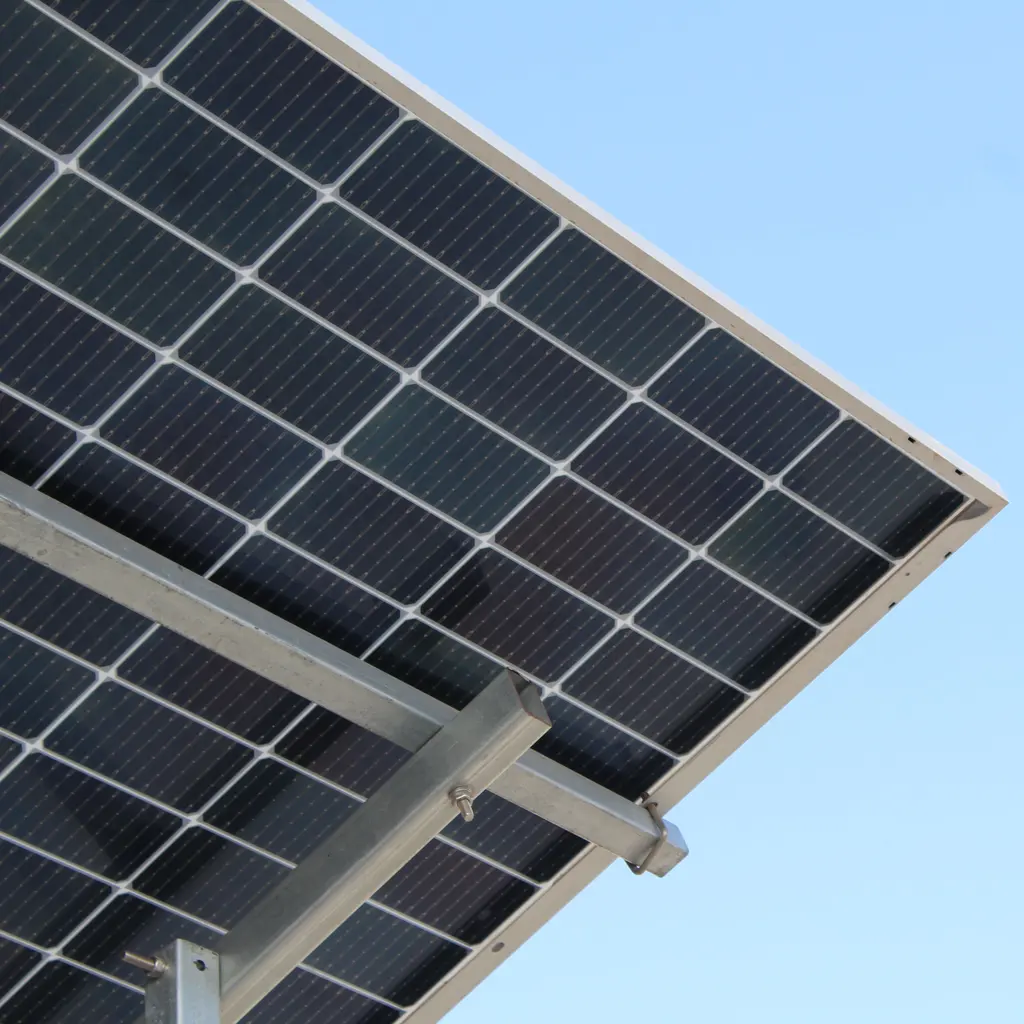
Solar panels mounted on a metal support frame beneath a clear sky.

Operations within this group

You may produce energy, operate utility systems or develop natural resources. A failed piece of equipment can interrupt service, and a release or worksite accident can create cleanup costs or claims from nearby property owners.

The Southern Agency can review your facilities and field activities to help you select insurance. We can compare property and breakdown protection with environmental and operational liability, separating routine operating obligations from insured accident costs.

Find your business

Choose your business type to discuss insurance with The Southern Agency. If it isn’t listed, call an agent to ask whether we can place it.

  1. Asphalt Production PlantAsphalt plant insurance for heated binder, production machinery, supplied-mix claims and paving-season interruptions.
  2. Biodiesel OutletYour biodiesel outlet manages fuel storage, blending and dispensing for various commercial and retail customers.
  3. Biomass Power PlantYour biomass plant burns organic material, creating hazards like dust deflagration, spontaneous combustion in fuel piles and pressure system failures.
  4. Bitumen PlantYour bitumen plant processes heavy residue, keeping material molten in tanks and heated lines.
  5. Bulk Power TransmissionYour transmission network moves high-voltage power over long distances, using transformers and lines that are exposed to fire, lightning and vandalism.
  6. Coal Coke Processing UnitYour coke processing unit uses extreme heat to drive off volatiles, which creates fire, explosion and combustible dust risks.
  7. Crude Oil Pipeline NetworkYour pipeline network transports crude across vast distances, with assets buried or exposed in varied terrain.
  8. Diesel Fuel SupplierYour business delivers fuel by tanker and maintains bulk storage at your yard.
  9. Diesel and Gasoline Mixing FacilityInsurance for fuel blending, storage, and loading operations.
  10. Electric Power DistributionInsurance for electrical distribution lines, bucket trucks, and billing systems.
  11. Electric Power PlantInsurance for power plant generation, grid interconnection, and maintenance activities.
  12. Enhanced Oil Recovery UnitInsurance for enhanced recovery unit well networks, injection plants, and production.
  13. Ethanol PipelineInsurance for denatured ethanol pipelines, pump stations, and product transit.
  14. Ethanol StationInsurance for E85 dispensers, forecourt retail, and pump-card data systems.
  15. Fossil Fuel Power PlantInsurance for fuel-fired generation, machinery breakdown, and environmental releases.
  16. Fuel Oil PlantInsurance for distillate and residual fuel storage, blending systems, and loading spills.
  17. Fuel WholesalerInsurance for terminal storage, distribution fleets, and inventory management.
  18. Full-Service Gas StationInsurance for attendant fueling, auto service bays, and retail operations.
  19. Gas Gathering SystemYou operate a network of pipes, compressors, and dehydration units that collect raw natural gas from wellheads for delivery to processing plants.
  20. Gas Processing FacilityYou treat raw wellhead gas to recover natural gas liquids through processes involving cryogenic units, compressors, and fractionation trains.
  21. Geothermal Power PlantGeothermal plant insurance distinguishes generating equipment from well-control, mobile-equipment and resource-performance interests.
  22. Heating Oil ProviderYou deliver heating oil to residential and commercial properties, often performing burner maintenance and tank installations.
  23. Hydraulic Fracturing SiteYou operate hydraulic fracturing crews, using high-pressure pumping trucks and mixing equipment to stimulate oil and gas wells.
  24. Hydroelectric Power PlantHydroelectric insurance for turbines, water-control structures, and downstream responsibilities.
  25. Liquid Bulk Pipeline OperatorLiquid bulk pipeline insurance for product custody, releases, and long-route dependencies.
  26. Lubricant Blending FacilityInsurance questions for lubricant blenders include customer equipment damage, plant fires, packaging failures, and spills.
  27. Marine Fuel DockMarine fuel dock insurance for over-water spills, waterfront property, and vessel contact.
  28. Natural Gas DistributionGas distribution insurance for service lines, leak response, and customer-facing crews.
  29. Natural Gas PipelineNatural gas pipeline insurance for high-pressure releases, compressors, and service interruption.
  30. Natural Gas WellNatural gas well insurance for producing leases, surface equipment, and well-control gaps.
  31. Nuclear Power PlantNuclear plant insurance considerations for specialist programs and conventional operating risks.
  32. Offshore Oil PlatformOffshore platform insurance for marine property, well control, and remote crew operations.
  33. Oil Pumping StationOil pumping station insurance for rotating equipment, seals, and pipeline interruption.
  34. Oil RefineryRefinery insurance for process damage, unit dependencies, and downstream product claims.
  35. Oil Storage Terminal PipelineOil terminal insurance for tank farms, transfer racks, and stored product responsibilities.
  36. Onshore Drilling RigsLand drilling contractor insurance for rigs, moves, and well-control responsibilities.
  37. Petroleum Jelly ManufacturerPetroleum jelly manufacturer insurance for product safety and heated production lines.
  38. Pipeline Inspection FirmPipeline inspection insurance for reports, portable instruments, and confidential integrity data.
  39. Pipeline Maintenance ContractorPipeline maintenance insurance for live-line work, excavation, and contractor pollution.
  40. Pipeline Pumping StationPipeline pump station insurance for machinery dependencies and throughput losses.
  41. Propane DealerPropane dealer insurance for deliveries, customer service, and pressurized storage.
  42. Refined Product PipelineFinished-fuel pipeline insurance for batch interfaces and downstream quality risks.
  43. Roofing Shingle ManufacturerShingle manufacturer insurance for hot asphalt, line losses, and delayed defect claims.
  44. Self-Service Fuel OutletSelf-service fuel outlet insurance for unattended pumps, card readers, and tank releases.
  45. Sewage Treatment FacilityWastewater treatment insurance for effluent, process equipment, and overflow liabilities.
  46. Shale Oil OperationShale operator insurance for multi-pad production and produced-water responsibilities.
  47. Solar Power PlantSolar plant insurance for arrays, inverters, and damage-related generation losses.
  48. Steam and Air-Conditioning SupplyDistrict energy insurance for boilers, chillers, and buried thermal mains.
  49. Tar and Pitch ProducerTar and pitch insurance for heated processing, exposure history, and pollution limits.
  50. Truck Stop Fuel CenterTruck stop insurance for fuel lanes, food service, and overnight traveler facilities.
  51. Water Supply and Irrigation SystemWater system insurance for treatment, distribution and differing customer uses.
  52. Well Servicing CompanyWell service contractor insurance for customer wells, mobile units, and workover risks.
  53. Wind Power PlantWind farm insurance for turbines, access-dependent repairs, and generation income.

Risks across this group

Environmental liability

Operations can cause spills, releases, and contamination with significant cleanup exposure.

Catastrophic incidents

High-hazard infrastructure carries severe injury and property potential.

Equipment and infrastructure loss

Specialized, expensive equipment is costly to repair or replace.

Workforce hazards

Field and plant work exposes employees to serious injury risk.

Regulatory compliance

Heavy oversight means lapses can carry legal and financial consequences.

Business interruption

Infrastructure failures can disrupt service and operations broadly.

Situations to think through

These hypothetical examples are not agency claim results. Whether a loss is covered depends on the facts, policy terms, and applicable exclusions.

  1. Hypothetical: Environmental release

    An operational release contaminates surrounding land. Environmental liability may help with cleanup and third-party claims, subject to policy terms.

  2. Hypothetical: Equipment failure

    Critical equipment fails and halts operations. Equipment breakdown coverage may help with repairs and resulting losses, subject to terms.

  3. Hypothetical: Field injury

    A field worker is seriously injured. Workers compensation may help with medical care and lost wages, subject to state rules.

Before you talk to an agent

What to have ready

Tick items as you gather them. Nothing here is saved or sent.

Questions to raise

  • Identify the insured role: operating a facility, distributing fuel or utilities, or providing inspection and maintenance services. A plant operator's property and pollution review differs from a contractor's professional and site-work review.
  • List remote assets and realistic replacement lead times. Review business income against a covered shutdown of a revenue-critical facility, including waiting periods and restoration limits; contracted delivery penalties are a separate issue.
  • Review pollution locations, substances, transport, and pre-existing conditions against the proposed policy. A permit's financial-assurance requirement should not be assumed satisfied by a general liability or pollution policy.

Contract terms to check

  • Bring master service agreements, power-purchase or supply contracts, rights-of-way, permits, and financing schedules that apply to the operation. Check limits, additional-insured terms, waivers, and indemnities individually. Verify workers compensation obligations for each work location and workforce arrangement rather than assuming every field contractor has the same statutory requirement.

What the agent conversation looks like

Start with the work you do and the questions your current policies leave unanswered. Carrier options depend on your location, risk, and underwriting. Explore our approach.

  1. ListenReview your operations, current coverage, and past claims.
  2. AssessIdentify potential hazards and discuss ways to reduce risk.
  3. BuildDiscuss policy and carrier options, premium costs, and audits.
  4. SupportReview changes and help you plan ahead as your needs develop.

Questions owners ask

Why review environmental coverage separately?

Pollution exclusions can leave gaps in general liability. Compare premises, contractor, storage-tank, and transport exposures with the pollution coverage actually proposed; not every release or cleanup obligation is insured.

How should liability limits be chosen?

Compare credible injury and damage scenarios with contract minimums and the underlying policies. Additional limits do not automatically remove pollution, professional-services, or other exclusions.

Is equipment breakdown relevant for utilities?

Sudden covered mechanical or electrical breakdown may need separate coverage from ordinary property perils. Review the insured equipment and any business-income extension; normal wear and tear is not a covered breakdown simply because service stops.

How does regulation affect coverage?

Identify the actual permits, jurisdiction, and operation. Check any insurance or financial-assurance conditions with the responsible authority; this category overview does not establish compliance.

Are renewable energy developers exposed similarly?

Construction, commissioning, operating generation assets, and professional development services create different responsibilities. Describe the project stage and ownership before comparing property, breakdown, liability, and professional coverage.

Tell us what your energy, utilities & natural resources business does

Bring your questions, current policies, and relevant contracts. An agent can review coverage terms, exclusions, and the information carriers ask for, then explain the options available to you.

How can we help you get started?

Choose the quote that fits, and we’ll take it from there.

Have a question? Contact us