Skip to content

Fossil Fuel Power Plant Insurance

A gas-fired unit does not necessarily share the ash or steam-system exposures of a coal plant. Your fuel and generating design should guide the coverage rather than a single set of assumptions about fossil power.

The Southern Agency can help you review your plant operations and equipment to align your insurance coverage.

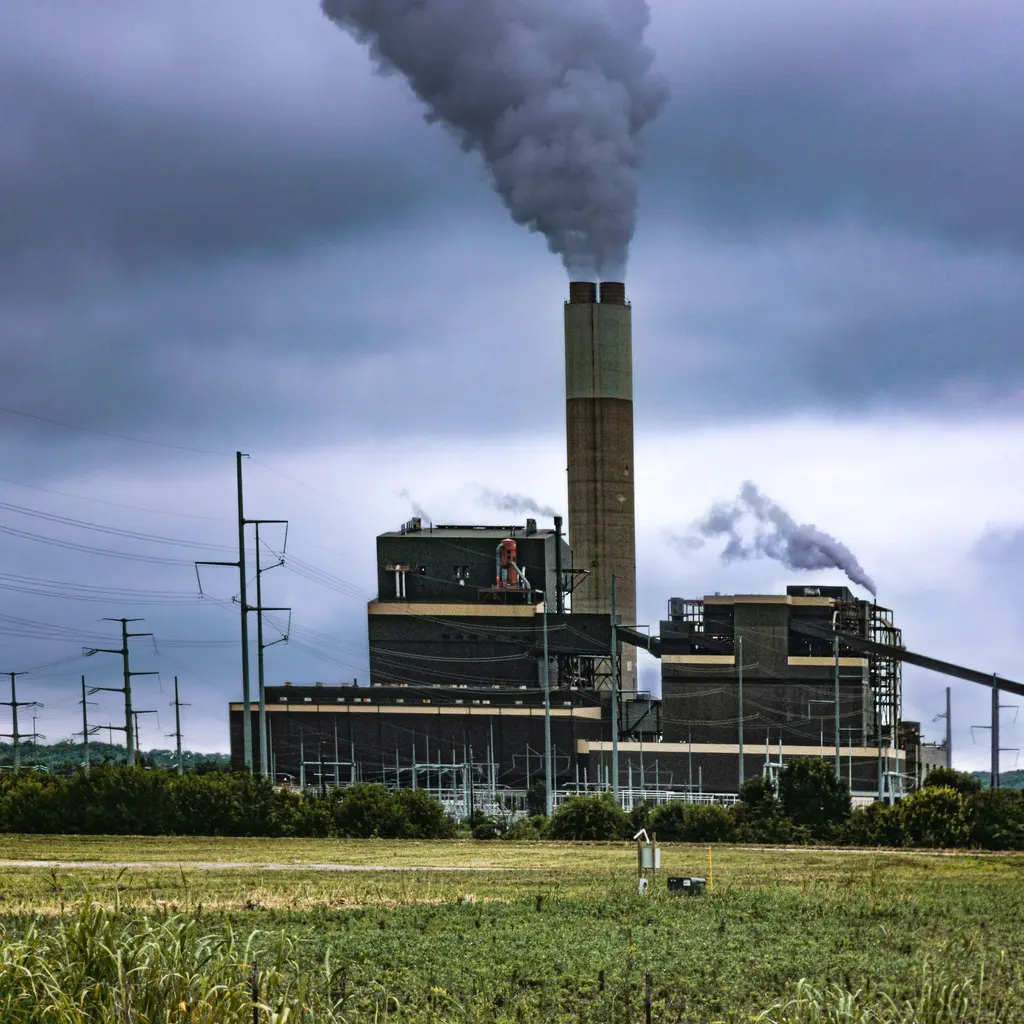
A fuel-fired power station with boiler buildings, chimneys and transmission equipment.

Industry overview

You generate electricity with coal, gas or oil using the machinery and emissions systems suited to your units. A turbine failure or fuel fire can stop output, while coal-ash handling adds release questions where those byproducts are present.

The Southern Agency can review your generation technology and maintenance duties to help choose appropriate insurance. We can distinguish machinery repairs and lost generation earnings from third-party environmental claims and replacement-power commitments.

Risks worth discussing

Boiler and turbine breakdown

Boilers, steam or combustion turbines and generators can fail and damage equipment or halt generation. Pressure-system hazards depend on the actual unit design; a fossil plant is not necessarily a boiler-and-steam installation.

Fuel storage fire and explosion

Coal piles, gas systems, and fuel oil tanks present fire and explosion hazards, with coal subject to self-heating and spontaneous ignition.

Emissions and environmental liability

Combustion produces regulated emissions. Ash handling where present and fuel releases can create contamination, permit and cleanup exposure; the material and obligations depend on the fuel and process.

Business interruption from outages

A major boiler, combustion turbine or steam turbine failure can halt a unit or shared generation train. Lost earnings and any contractual obligation to buy replacement power are separate costs.

Worker injuries during operations and turnarounds

Combustion heat, pressurized systems, confined spaces, and heavy maintenance work expose employees to burns, falls, and serious injury.

Ash and byproduct handling

At coal-fired units with ash storage or disposal, a release or containment failure can create contamination, structural damage and regulatory obligations. Identify the actual byproducts and handling arrangements for the fuel burned.

Situations to think through

These hypothetical examples are not agency claim results. Whether a loss is covered depends on the facts, policy terms, and applicable exclusions.

  1. Hypothetical: Turbine failure during operation

    A steam turbine suffers a major mechanical failure and forces an extended outage, leaving a repair bill and interrupted power sales. Breakdown may pay qualifying repairs after an insured failure; the cause still needs to be established. Applicable income terms may pay actual covered earnings loss and continuing expenses within waiting and restoration periods. They do not automatically reimburse power bought to satisfy a separate delivery commitment.

  2. Hypothetical: Coal pile self-heating fire

    A coal storage pile self-heats and ignites, damaging fuel-handling equipment. Property coverage may respond to the resulting damage, subject to the specific policy, endorsements, and exclusions.

  3. Hypothetical: Ash storage contamination

    Runoff from an ash storage area affects nearby soil and water. An environmental policy may respond to cleanup and liability, depending on policy terms and the facts of the incident.

Before you talk to an agent

What to have ready

Tick items as you gather them. Nothing here is saved or sent.

Questions to raise

  • Describe the steam, combustion-turbine or combined-cycle configuration, unit connections and shared equipment. Include boiler, turbine, generator and auxiliary values, spares and realistic transport, installation and recommissioning time. Damage to one unit does not establish that all units stop or that every restoration expense is insured.
  • Identify actual coal stores, gas delivery systems and oil tanks, their ownership and insured locations, and the plant's protection and maintenance records. Coal self-heating, a fuel-system leak, and a machinery failure have different causes. A fuel-storage fire claim also needs the actual damaged property and any separate pollution interests.
  • Describe emissions controls, ash facilities where present, fuel containment, disposal arrangements, and release history. Compare the actual locations, substances and discovery or reporting periods with environmental terms. A permit or cleanup order does not itself establish payment for routine compliance, upgrades or fines.
  • Estimate the disabled unit's actual earnings loss and continuing expenses over a realistic restoration period, including waiting and valuation terms. Bring dispatch and sale arrangements and any duty to buy power during an outage. Replacement purchases, contract penalties, and the plant's own lost margin need separate treatment; an ordinary income heading does not establish payment for all three.
  • Compare credible third-party injury and fire claims with primary and excess limits, attachment, insured parties, and exclusions. Keep those liability limits separate from plant values, machinery repair, and income periods. The size of a plant or a contract's minimum limit does not establish a suitable layer or current capacity.

Contract terms to check

  • Power-sale, purchase and interconnection agreements should identify output duties, outage reporting, connection ownership and restoration responsibilities. Separate actual earnings loss from purchased replacement power and promised penalties. A delivery commitment is an obligation to assess, not proof of an insured payment.
  • Fuel-supply, storage, ash-disposal and maintenance agreements should identify the material or work, ownership and custody, worker employers, and responsibility for damaged equipment or releases. Off-site transport and disposal interests need their actual environmental terms; a plant-location listing does not establish every downstream obligation.
  • Compare indemnities and any requested limits, additional-insured status and waivers in land, financing, and service agreements with the applicable policies and endorsements. A certificate does not amend coverage. Permits and any financial-assurance conditions need their own authority and required evidence; ordinary property, pollution or excess insurance does not establish compliance.

What the agent conversation looks like

Start with the work you do and the questions your current policies leave unanswered. Carrier options depend on your location, risk, and underwriting. Explore our approach.

  1. ListenReview your operations, current coverage, and past claims.
  2. AssessIdentify potential hazards and discuss ways to reduce risk.
  3. BuildDiscuss policy and carrier options, premium costs, and audits.
  4. SupportReview changes and help you plan ahead as your needs develop.

Questions owners ask

What insurance does a fossil fuel power plant typically need?

Property may pay covered site damage, while breakdown may pay a qualifying machinery failure. Environmental and GL terms address different cleanup and third-party claims; workers compensation addresses covered employee benefits, and excess may add liability limits. Fuel, capacity, steam or combustion-turbine design, ownership, and workforce determine the interests to assess. Identify any coal yard, oil tank, gas supply, and ash facility actually present; the plant label does not establish identical exposures or available coverage.

Why is equipment breakdown so critical here?

A boiler, combustion or steam turbine, generator or essential auxiliary failure can create a large repair bill and stop output. Breakdown may pay covered repair or replacement after an insured mechanical, electrical or pressure-system failure. Normal wear and maintenance are treated separately. Spares, installation, and recommissioning affect restoration. Lost earnings and expedited costs need applicable extensions; a repair payment does not itself reimburse replacement-power purchases.

How is emissions and ash exposure addressed?

Environmental liability may pay covered cleanup, defense and third-party claims from insured emissions, fuel releases or ash contamination. Coal ash is a coal-combustion residual; identify the actual fuel, byproducts, storage or disposal, locations, and release history. Discovery, reporting, and prior-condition terms matter. Routine emissions-control costs, ash-site upgrades, every cleanup obligation, and fines are not automatically insured, and a policy does not itself establish permit compliance.

Are fuel storage hazards covered?

Property may pay covered fire or explosion damage to insured fuel stores, handling equipment, and structures. A self-heating coal pile that ignites can damage a conveyor, but the fire origin, property interests, and terms still determine payment. Self-heating or deteriorated stock without insured damage, tank repair, soil cleanup, and interrupted earnings need their own treatment. Describe the actual coal, gas or oil systems instead of assuming one storage arrangement.

What protects against lost revenue during an outage?

Applicable business-income or machinery-interruption terms may pay actual covered earnings loss and continuing expenses after an insured trigger, subject to waiting, valuation, and restoration terms. Replacement-power purchases and delivery penalties depend on the actual power agreement and their insurance treatment; they are not automatic additions to lost earnings. A fuel shortage, dispatch change or permit shutdown does not by itself establish the income trigger. Any separately proposed outage protection using a price index or a trigger other than physical damage has its own settlement terms and requires an actual underwriting decision.

Do plant workers need workers' compensation?

Obligations depend on the employment arrangement and work jurisdiction. Workers compensation may pay statutory medical, rehabilitation and wage benefits for covered operators and maintenance employees injured through heat, pressure, falls, or confined-space work. Establish the employers and duties of turnaround crews. A contractor's employee is not automatically covered by the plant's policy simply because the injury occurs there, and GL does not substitute for statutory employee benefits.

Talk through your fossil fuel power plant coverage

Bring your questions, current policies, and relevant contracts. An agent can review coverage terms, exclusions, and the information carriers ask for, then explain the options available to you.

How can we help you get started?

Choose the quote that fits, and we’ll take it from there.

Have a question? Contact us